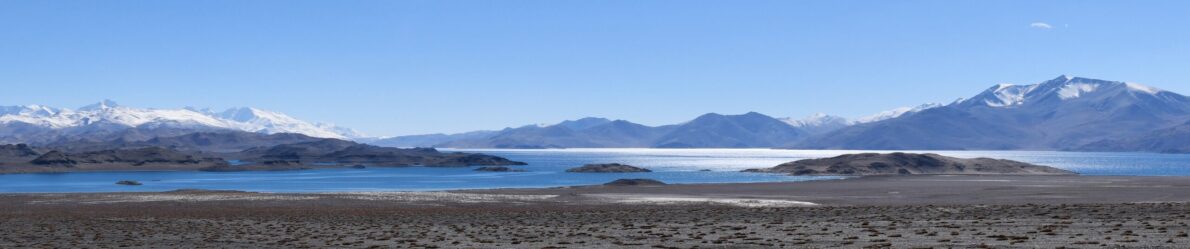

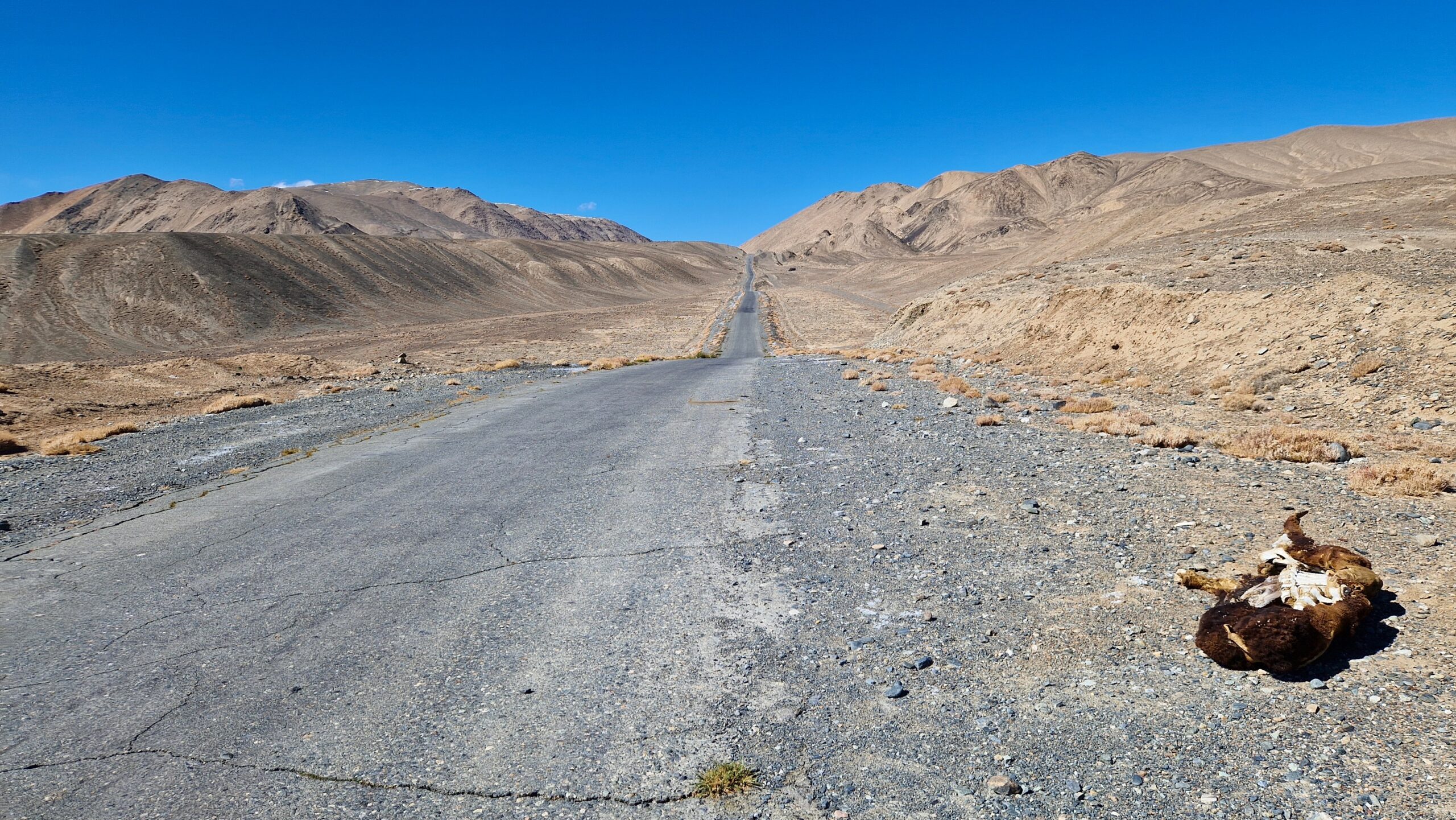
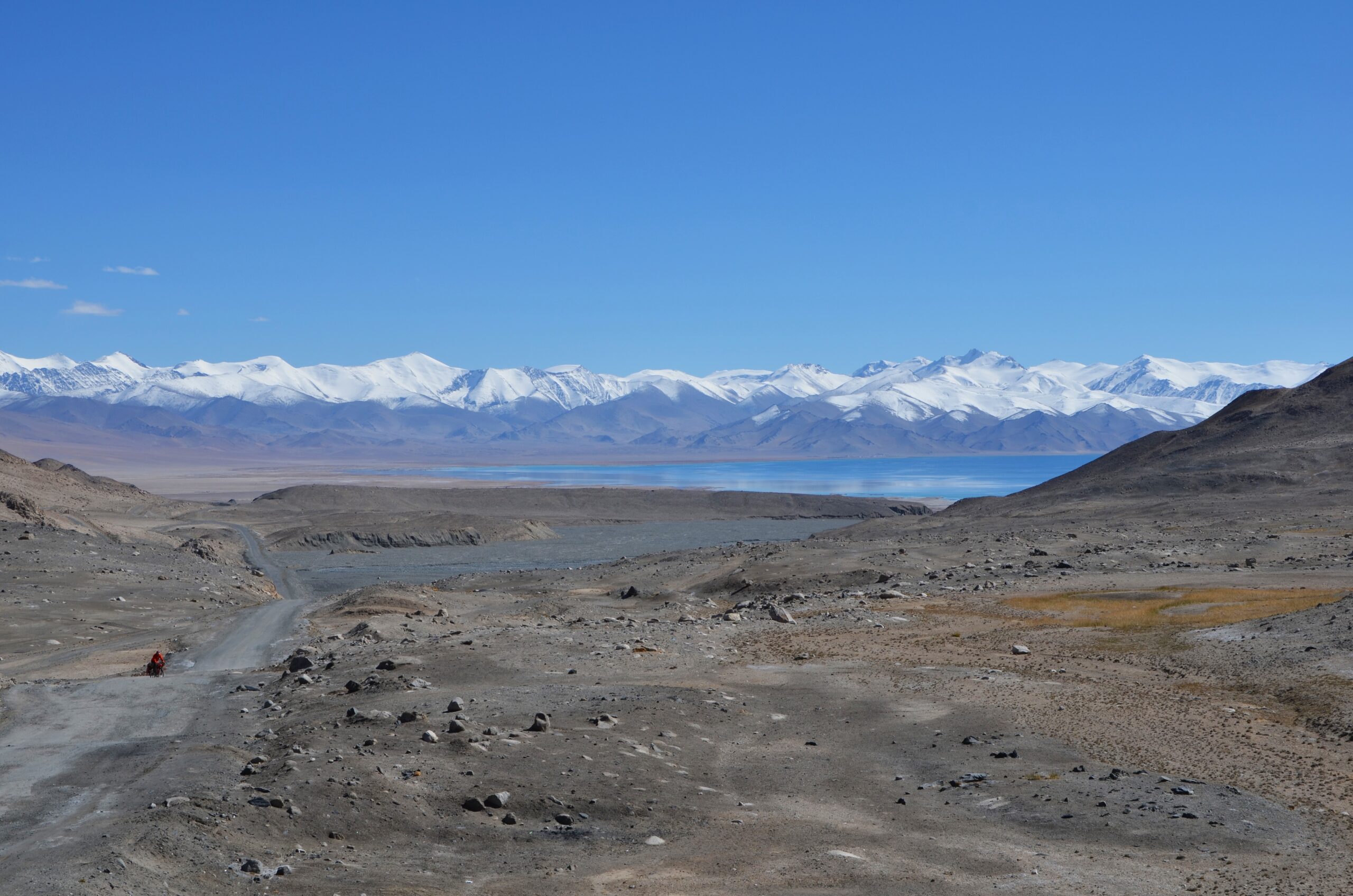
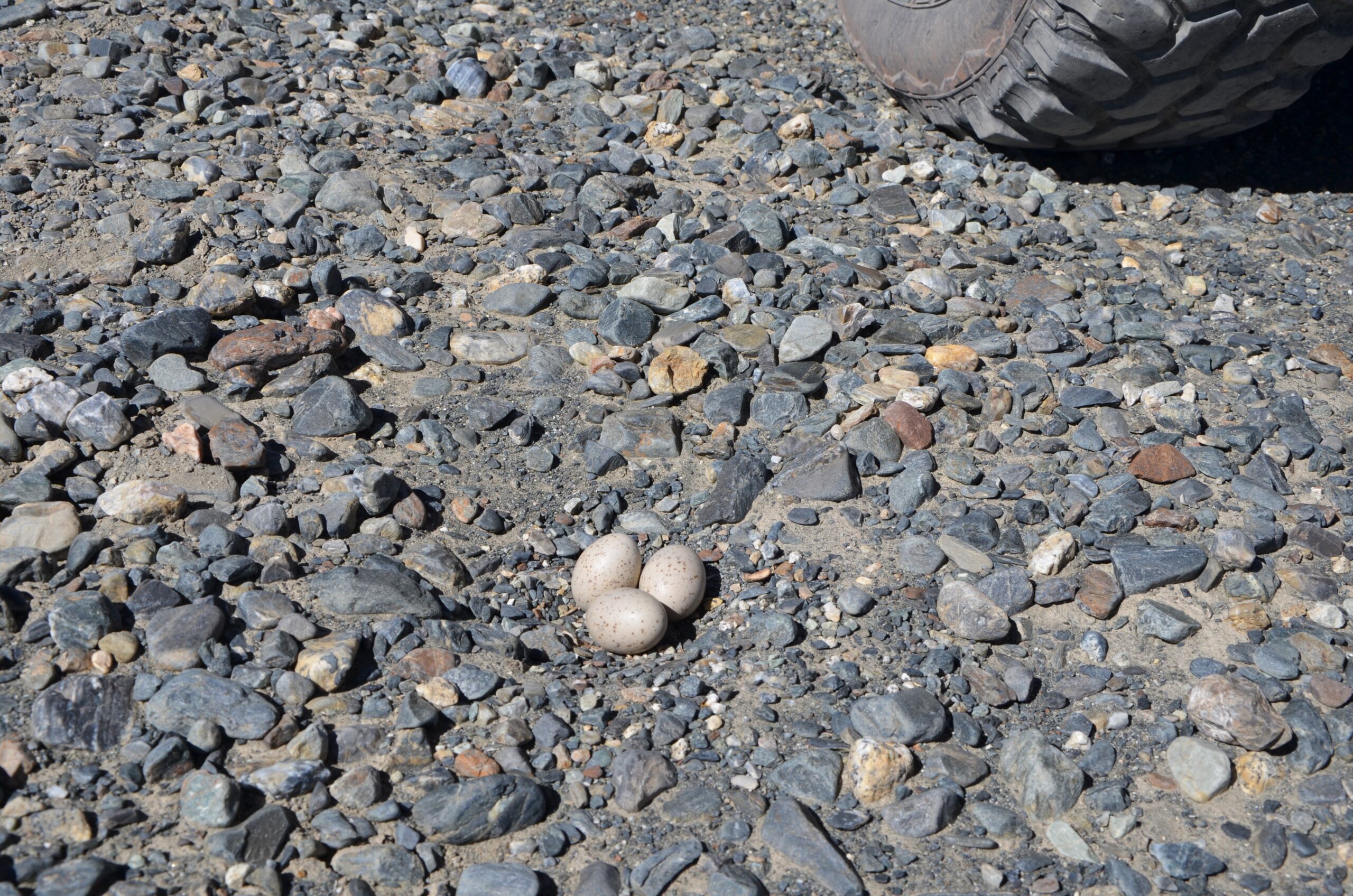
Right off the bat: Tajikistan appears to be just as mountainous as Kyrgyzstan. We entered Tajikistan via the highest border crossing we had experienced thus far. We reached an elevation of over 4000 meters and will not descend much below that for the next few days. Besides several bicyclists, our first special observation was Lake Karakul. Due to its round basin, the lake is classified as an impact crater.
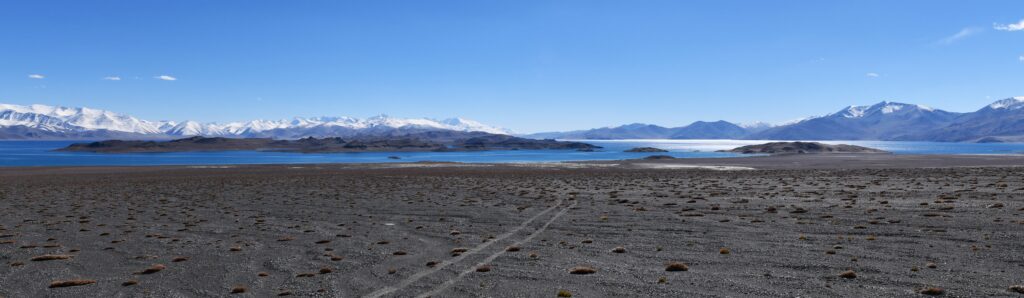
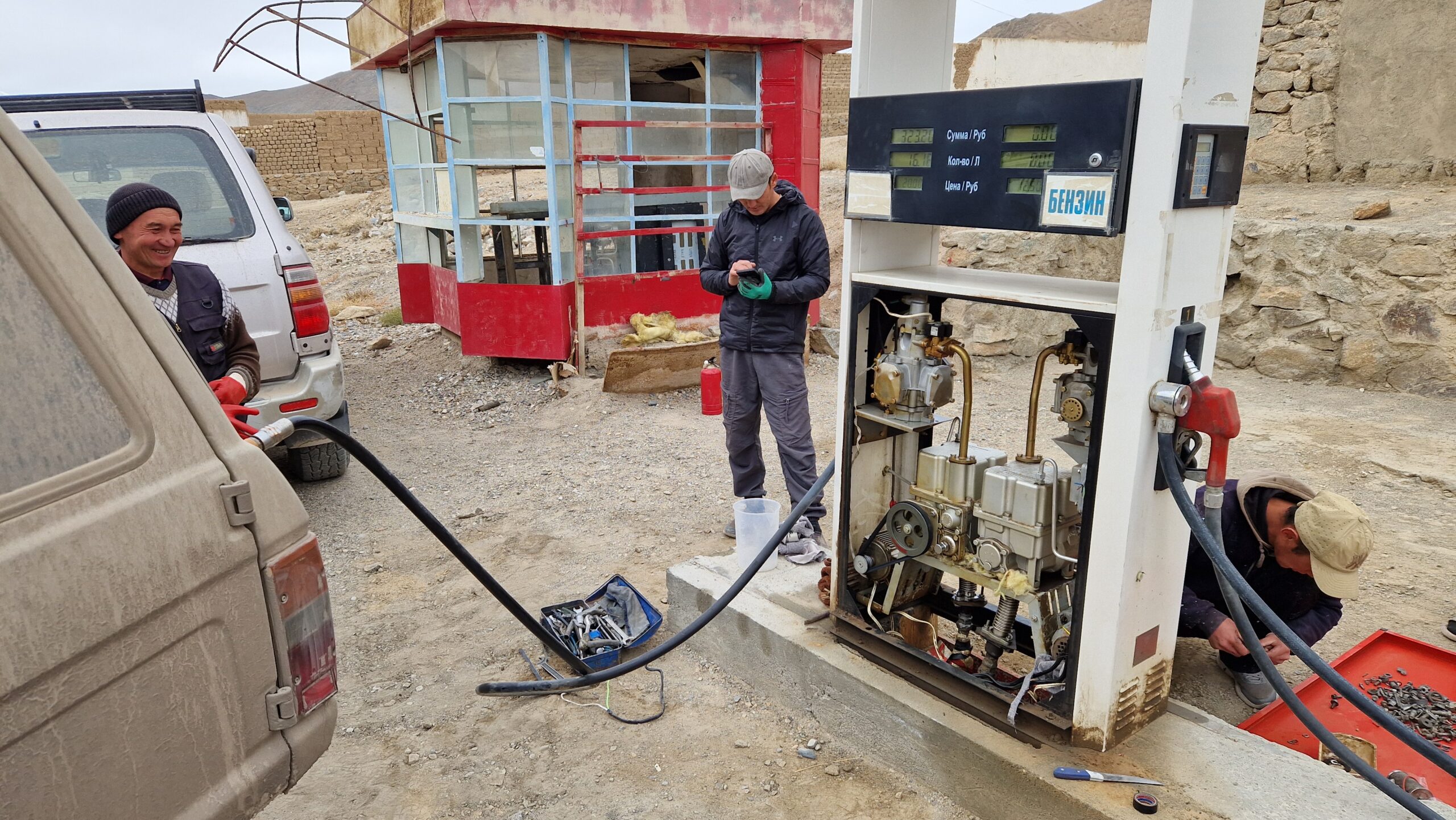
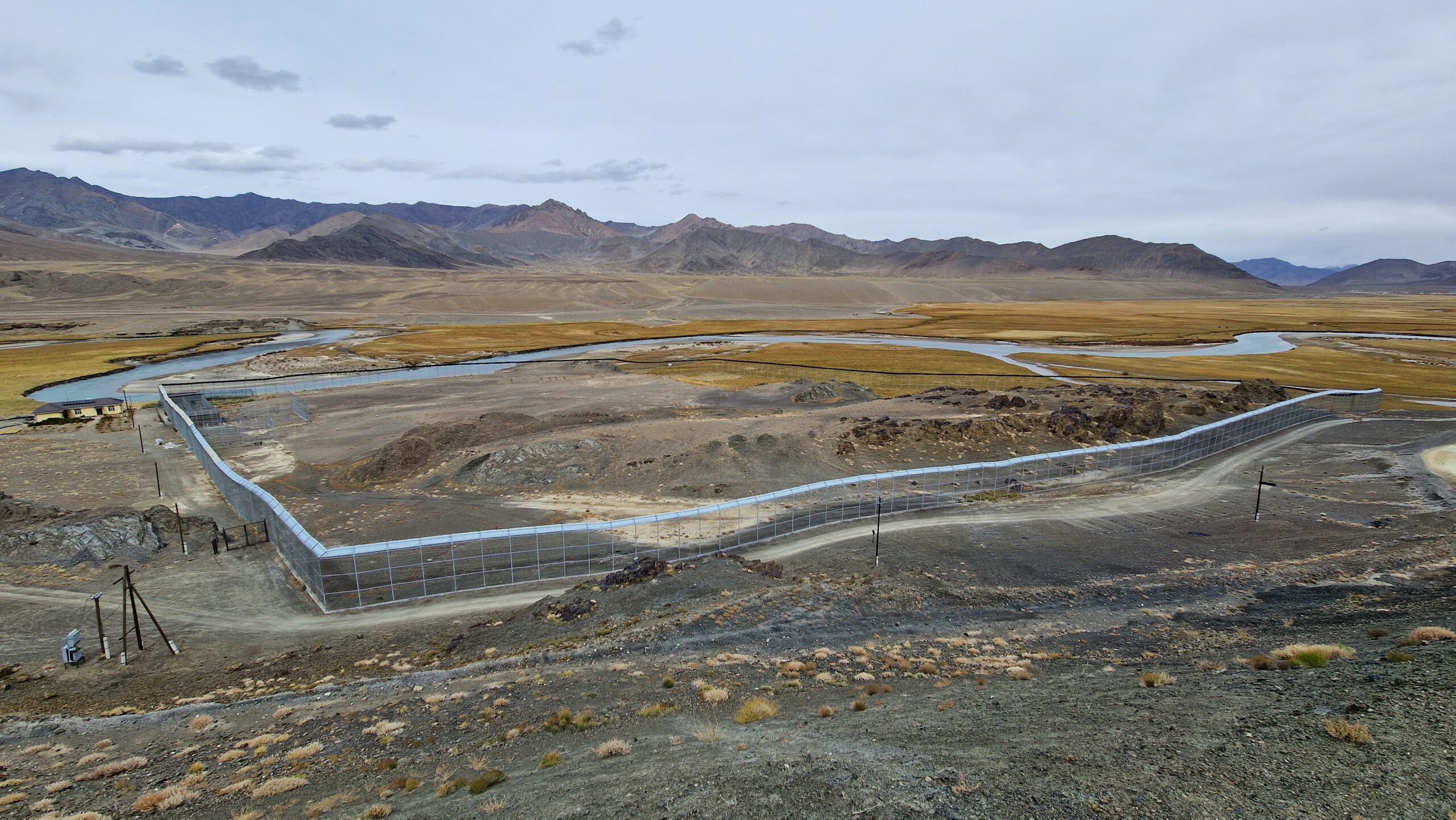
We followed the Pamir Highway, passing its highest point at around 4600 meters. This way, we reached Murghab, the largest settlement in the region, where we were able to buy fuel at European prices instead of Central Asian ones. Nearby is a snow leopard conservation and breeding center, but unfortunately, the animals were not out.
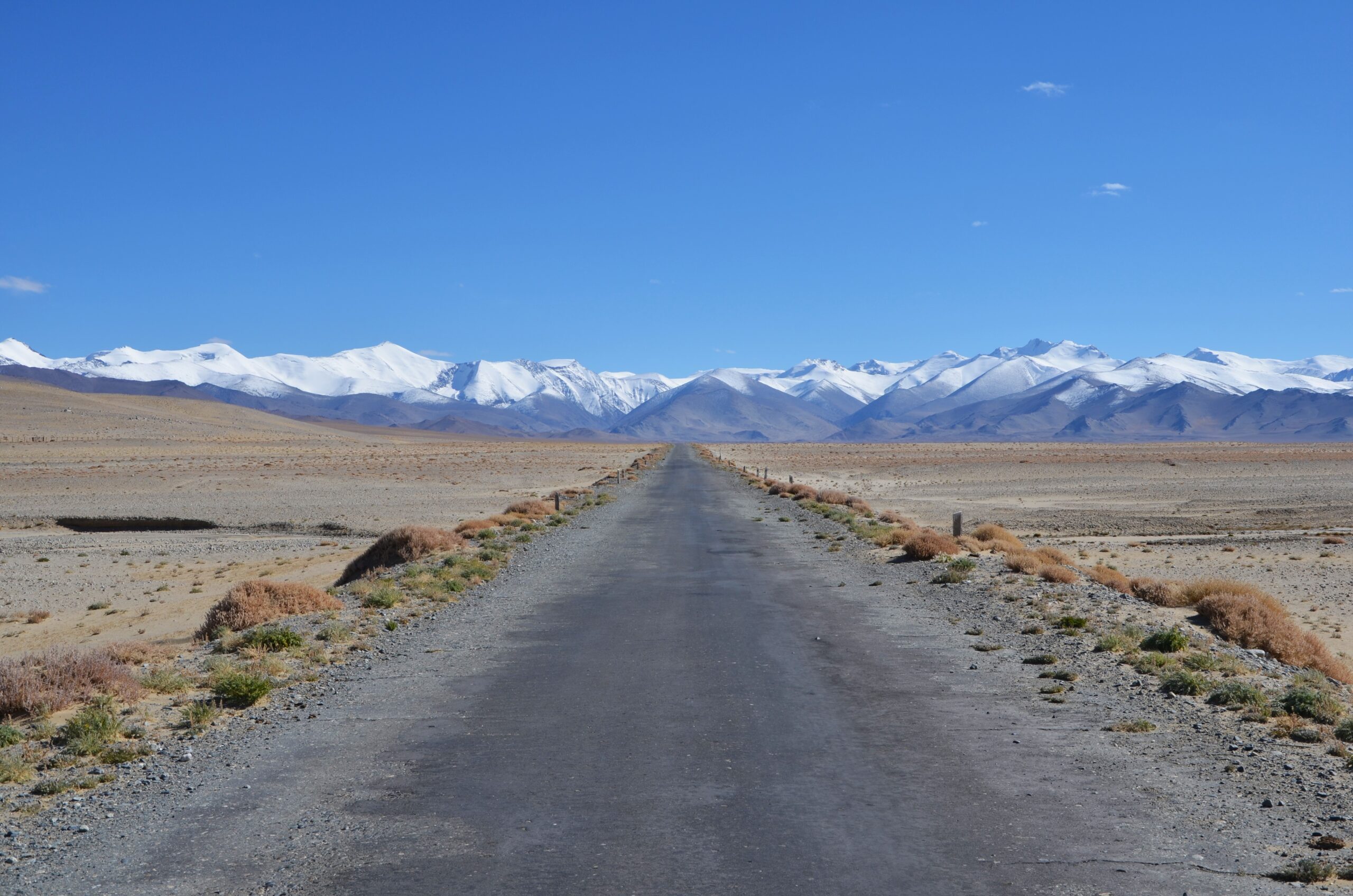
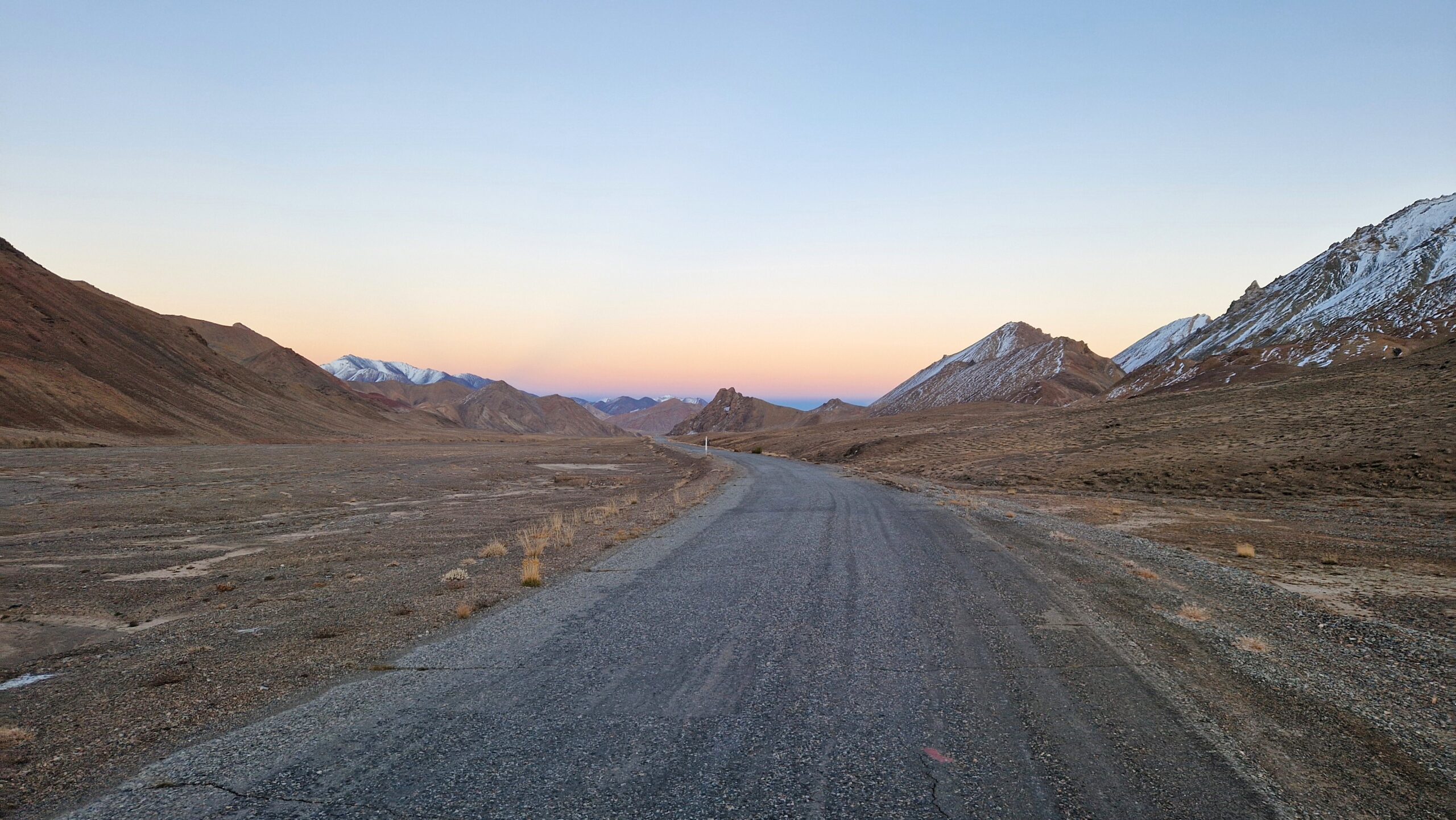
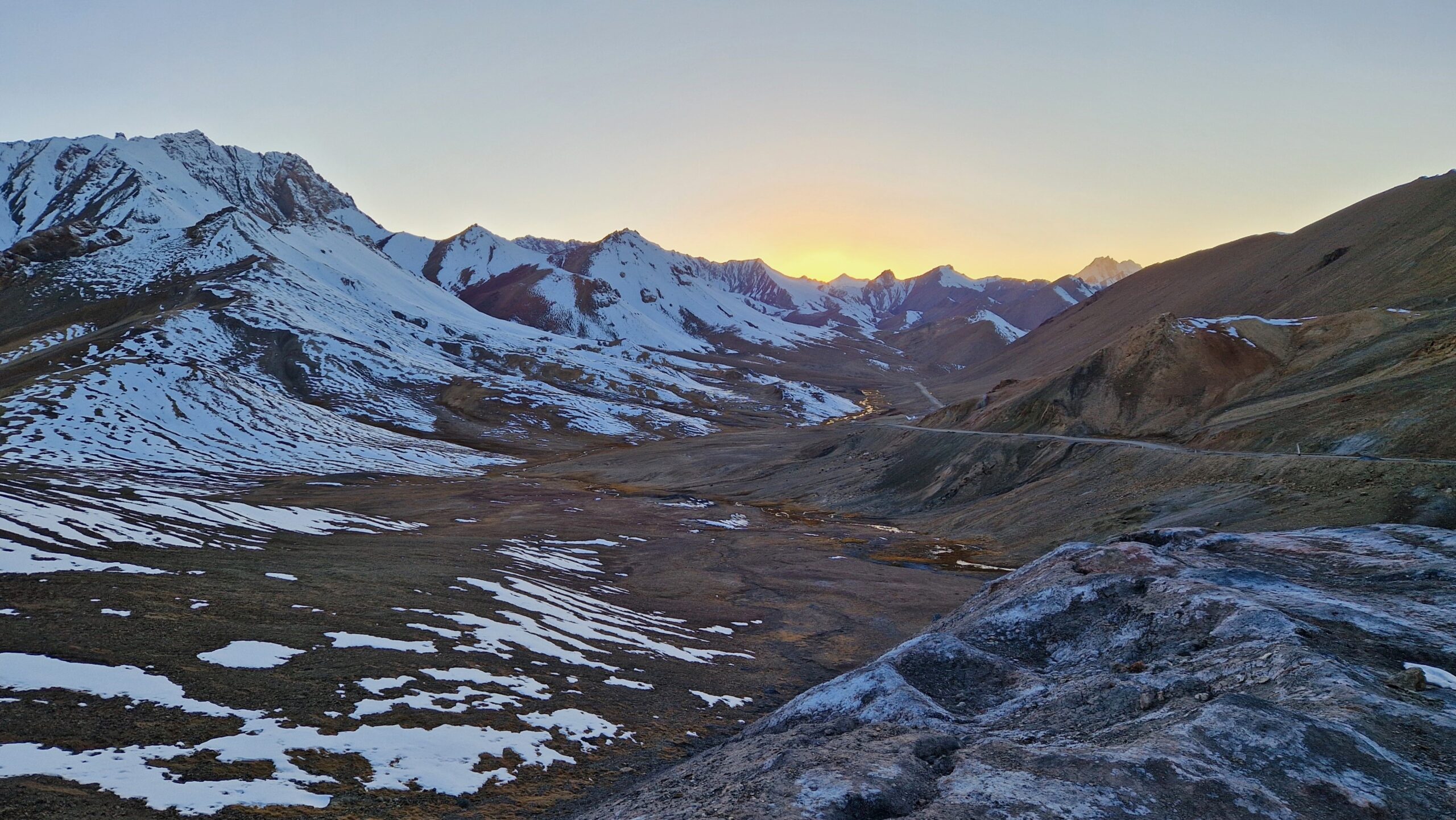
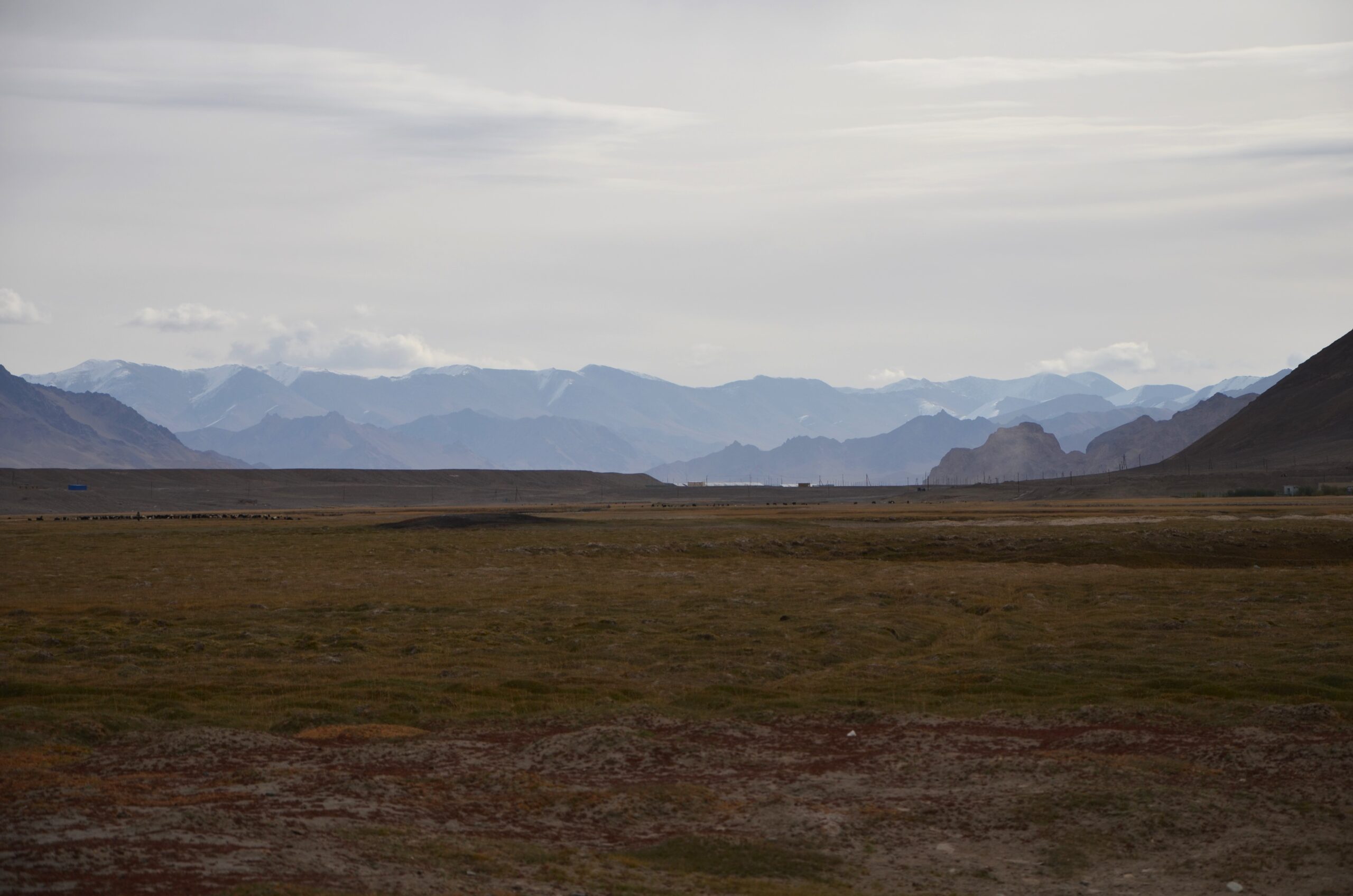
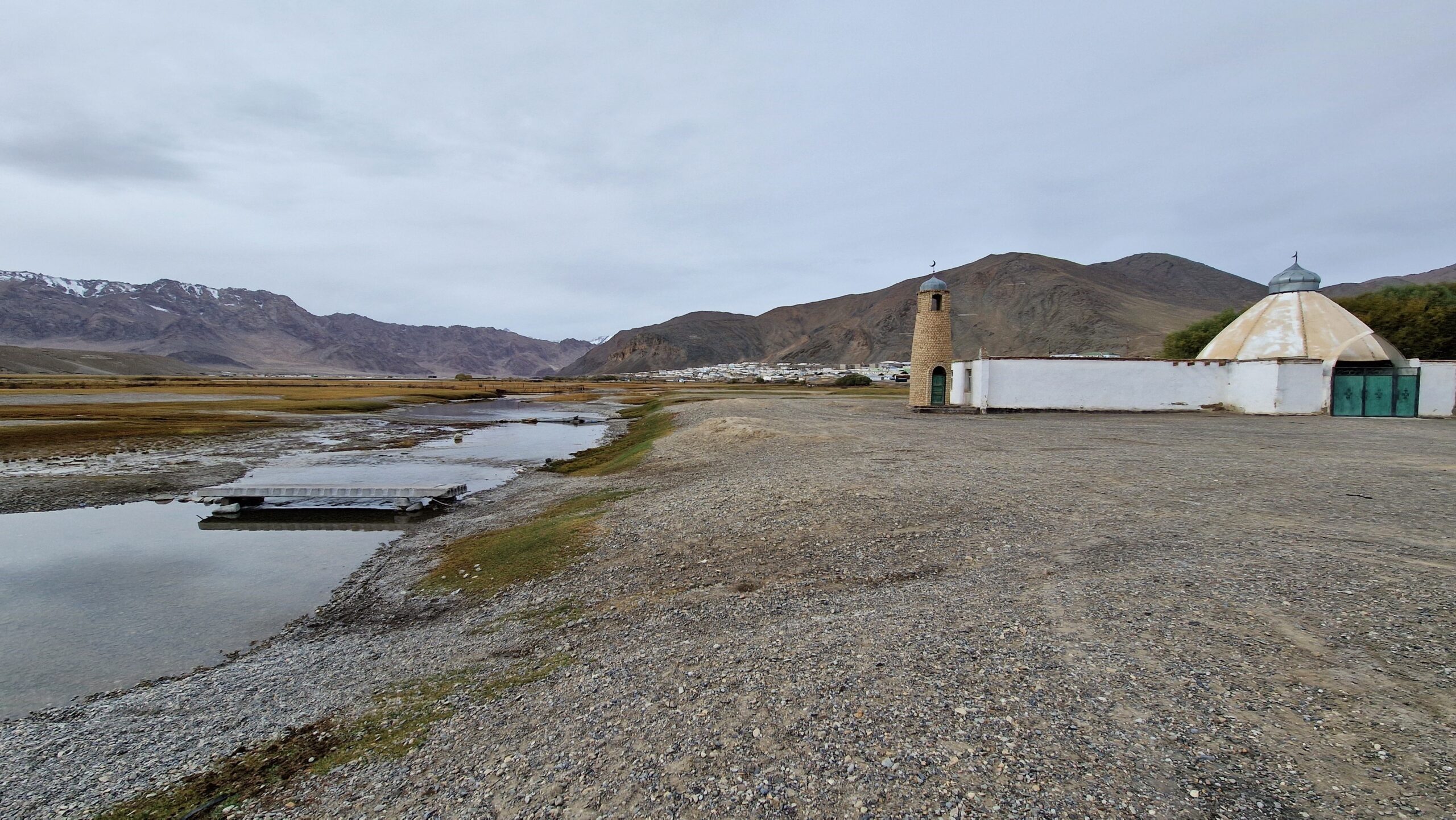
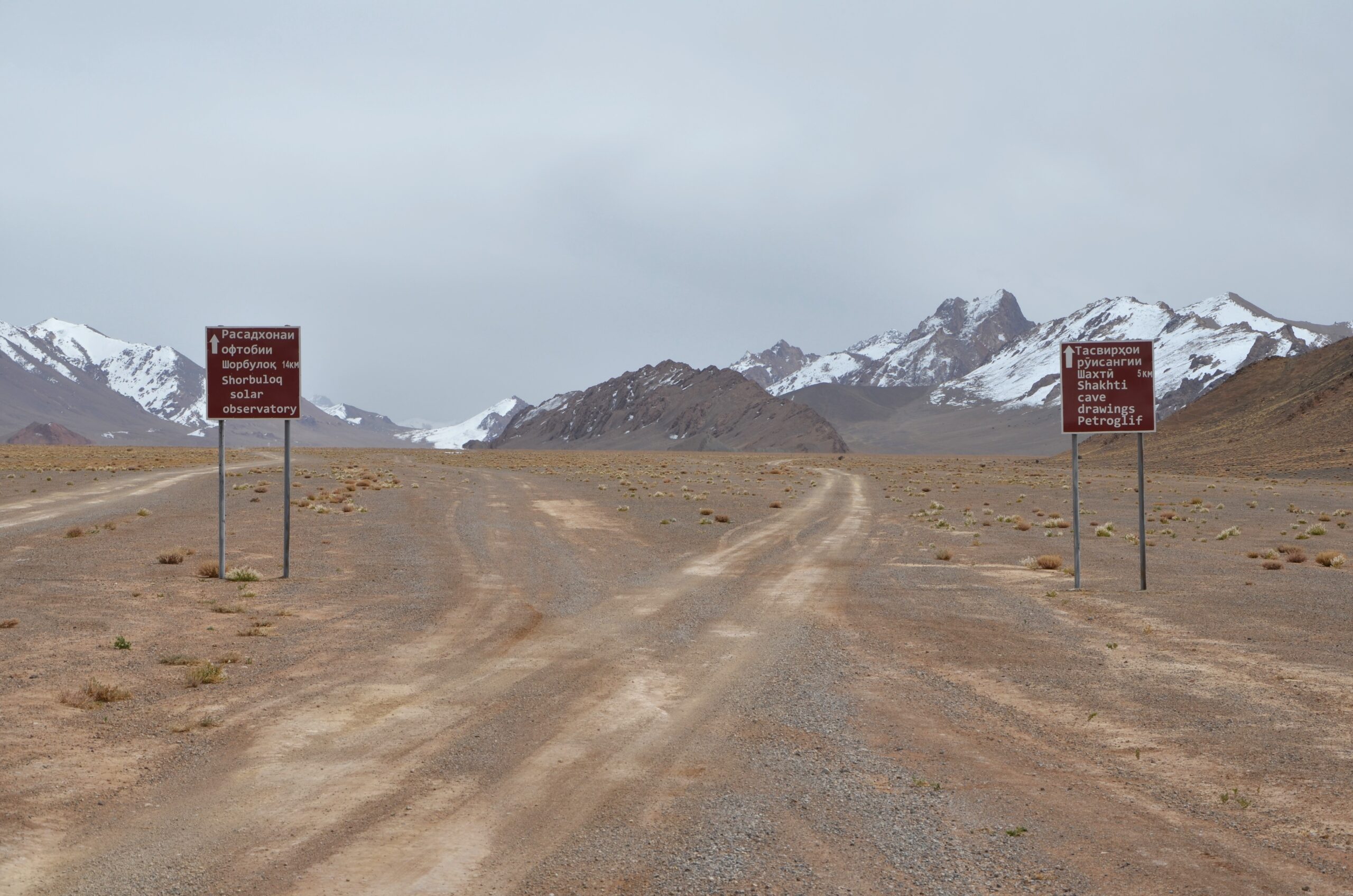
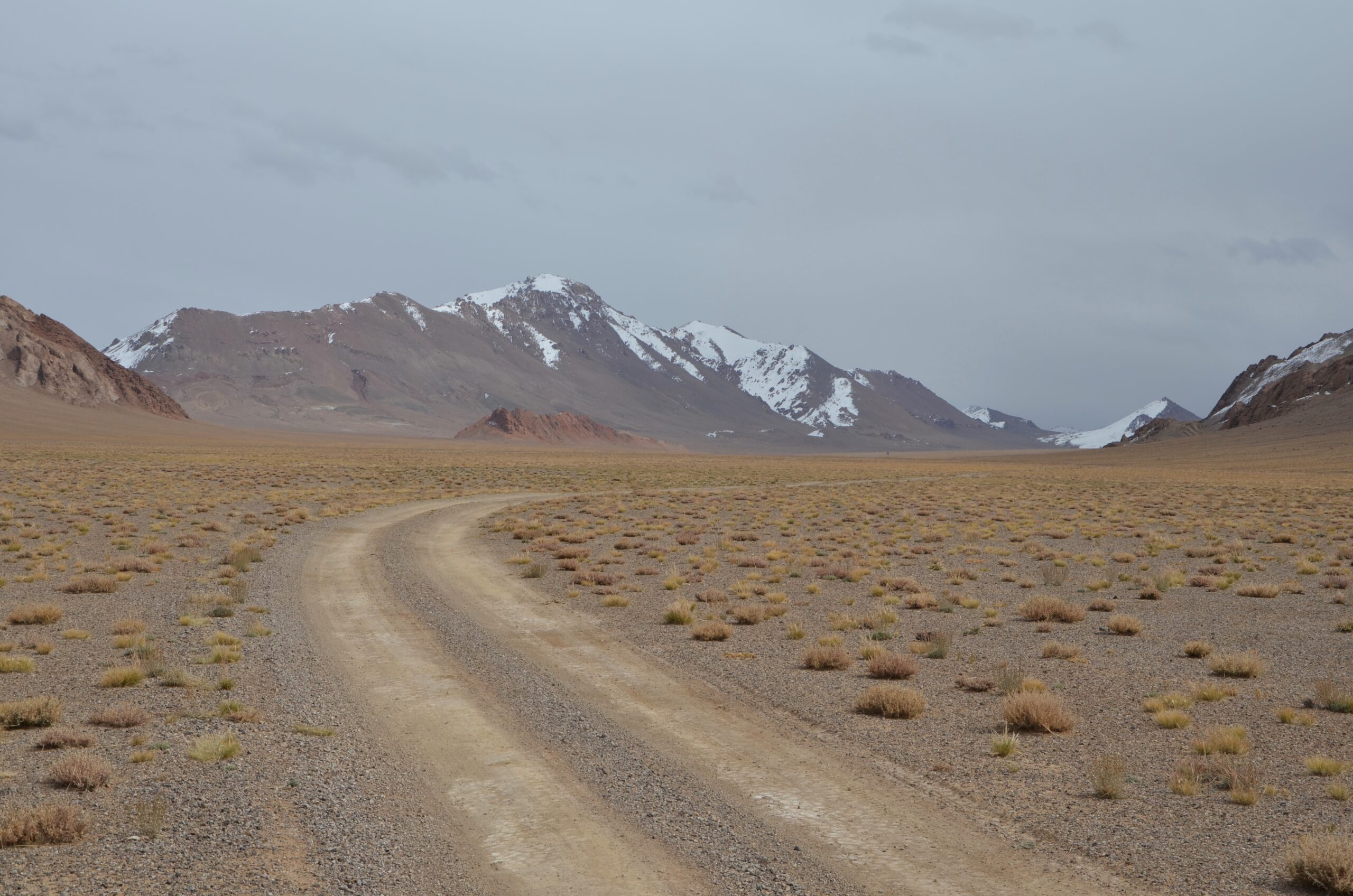
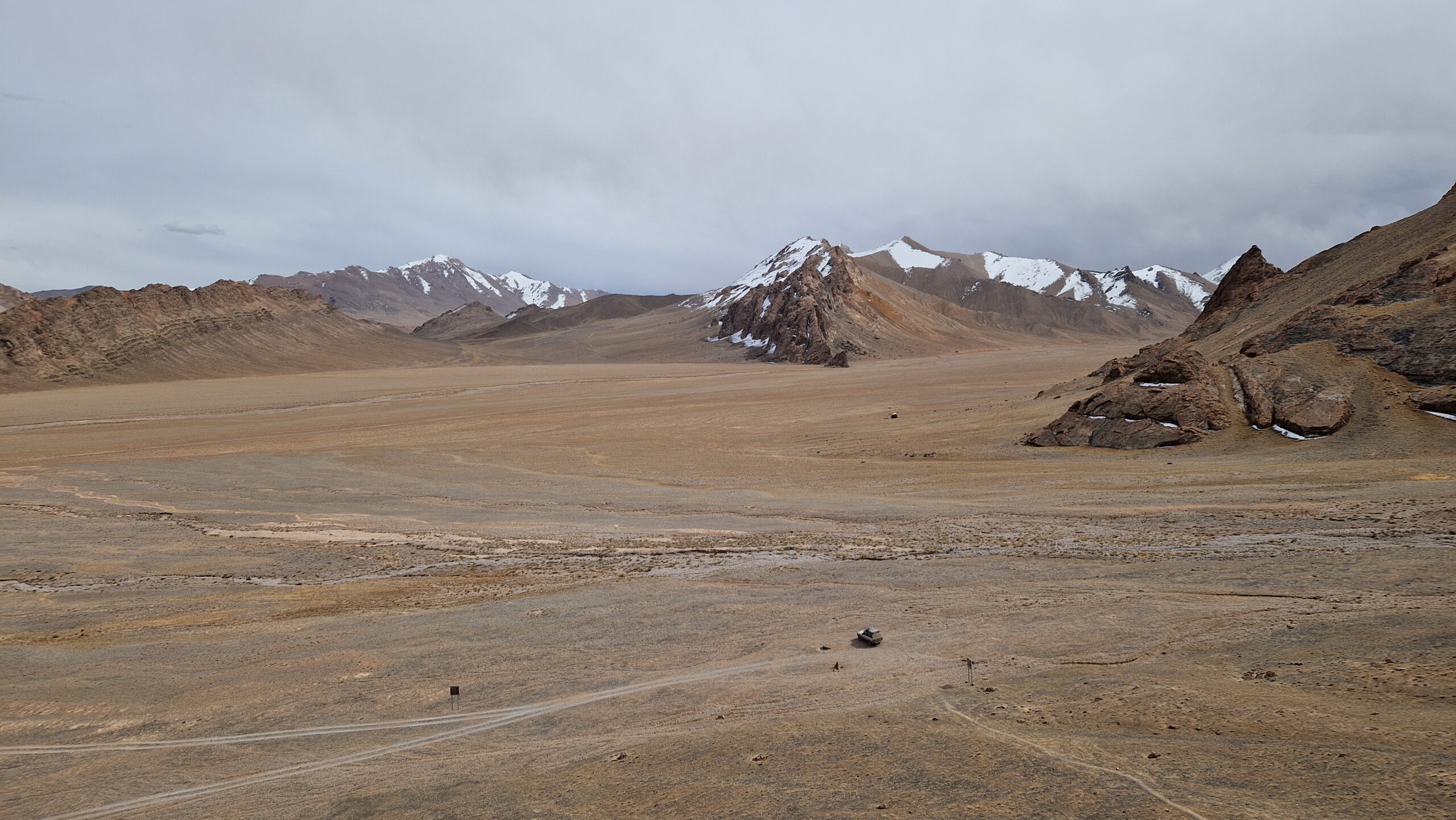
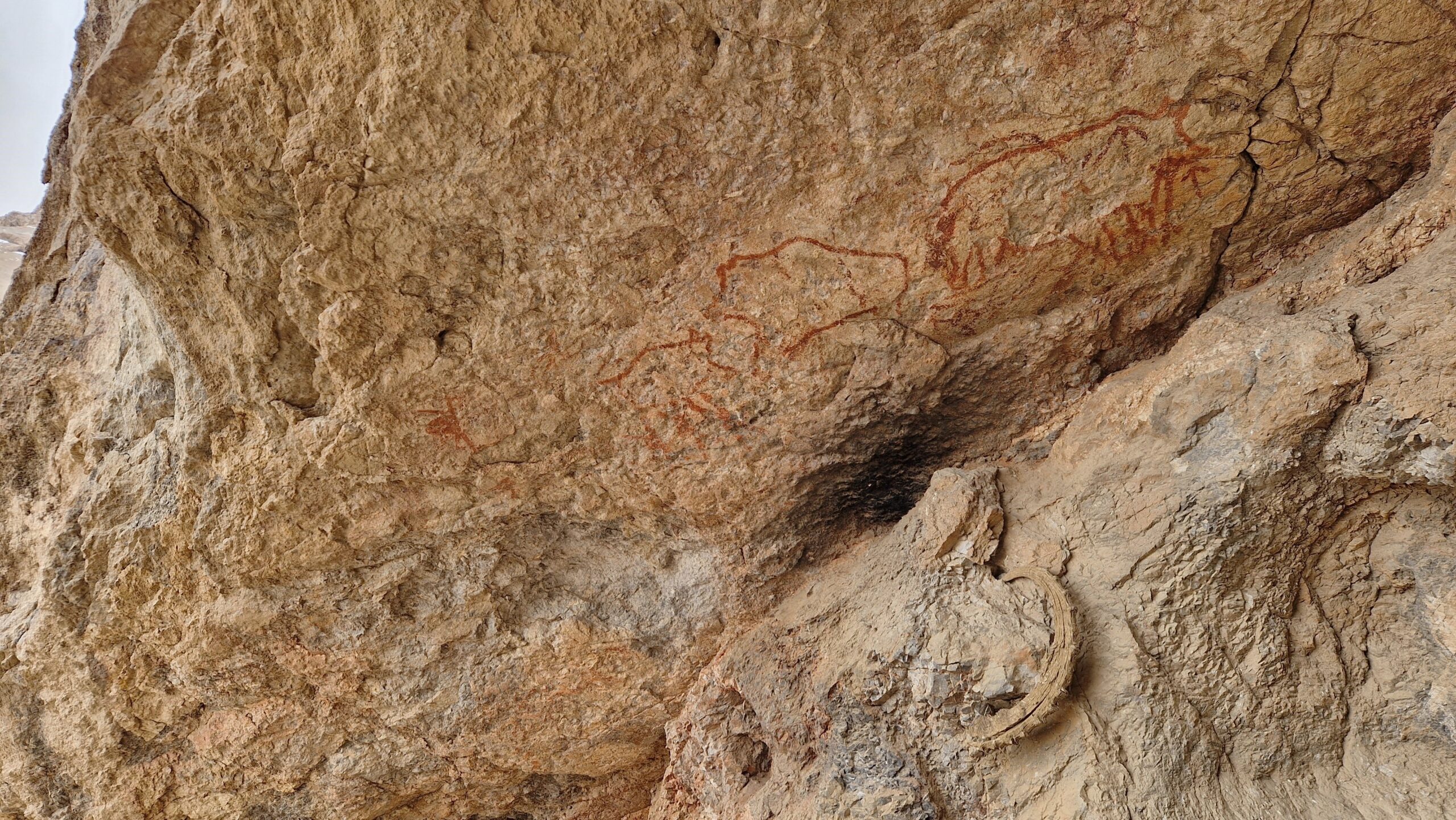
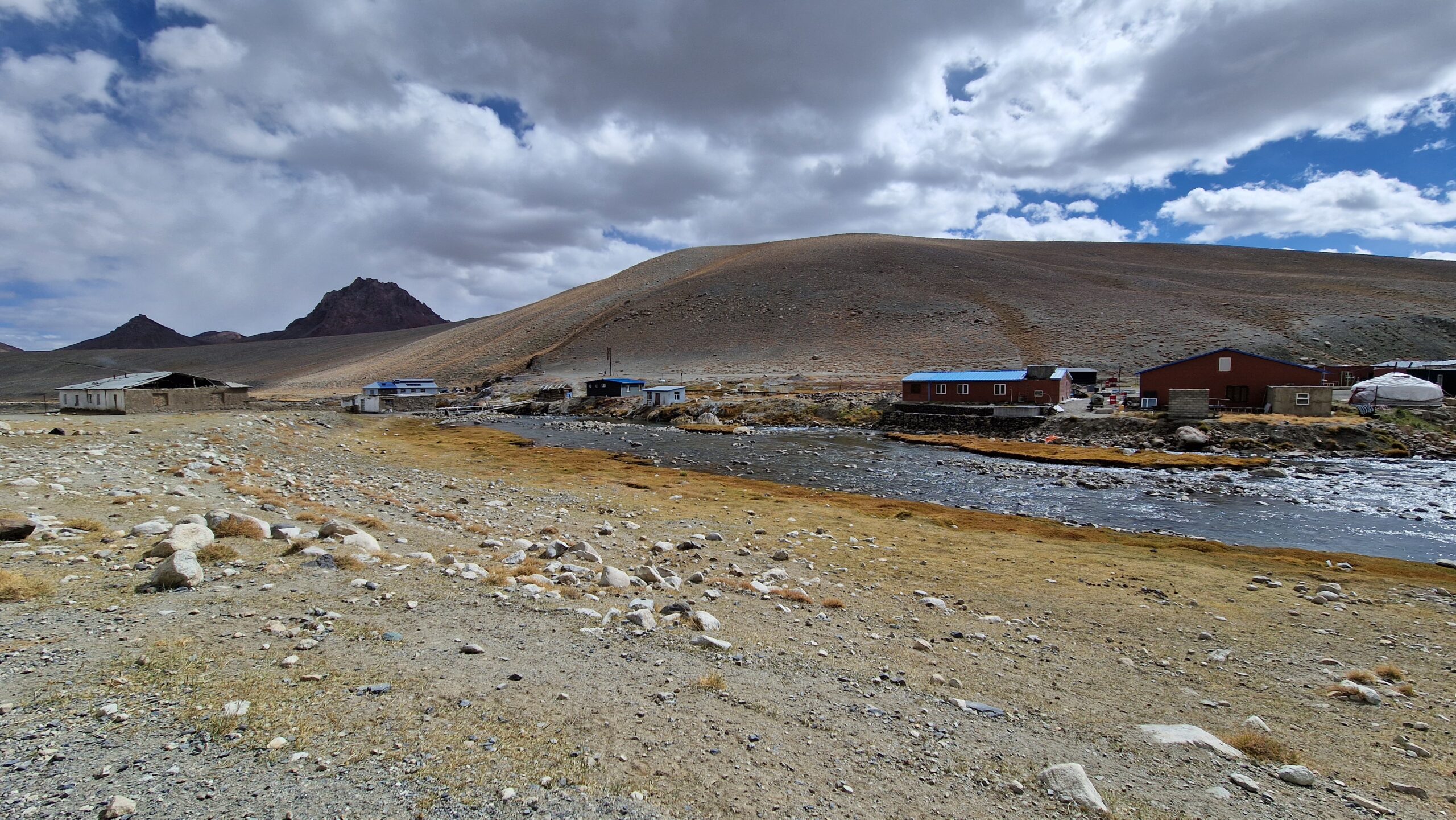
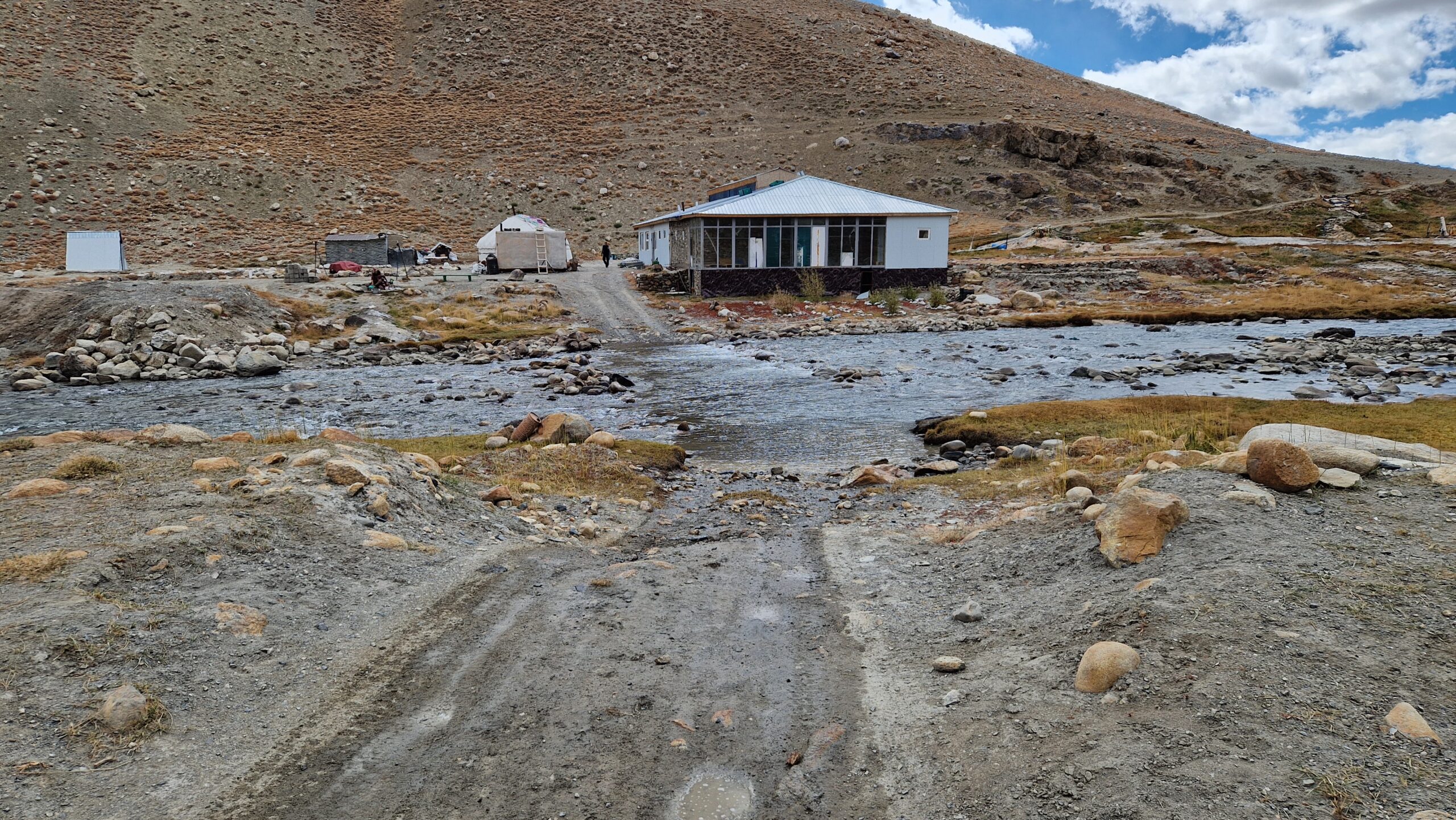
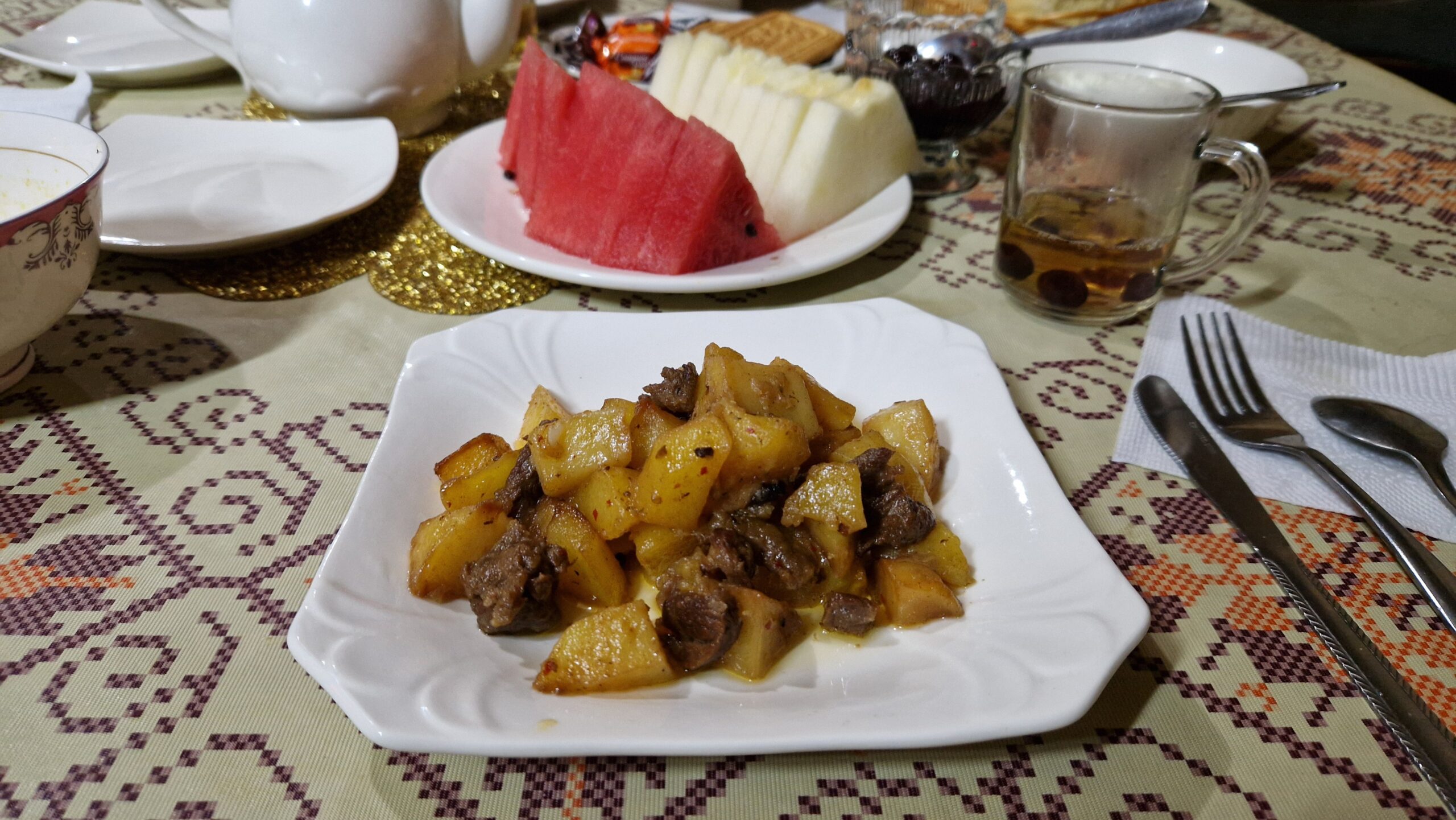
We left the Pamir Highway for a special detour. In these rather flat valleys, petroglyphs and a few animals were the only signs of human life. In the afternoon, we arrived at the only guesthouses in the middle of nowhere. There, they offered dinner, which included yak meat.
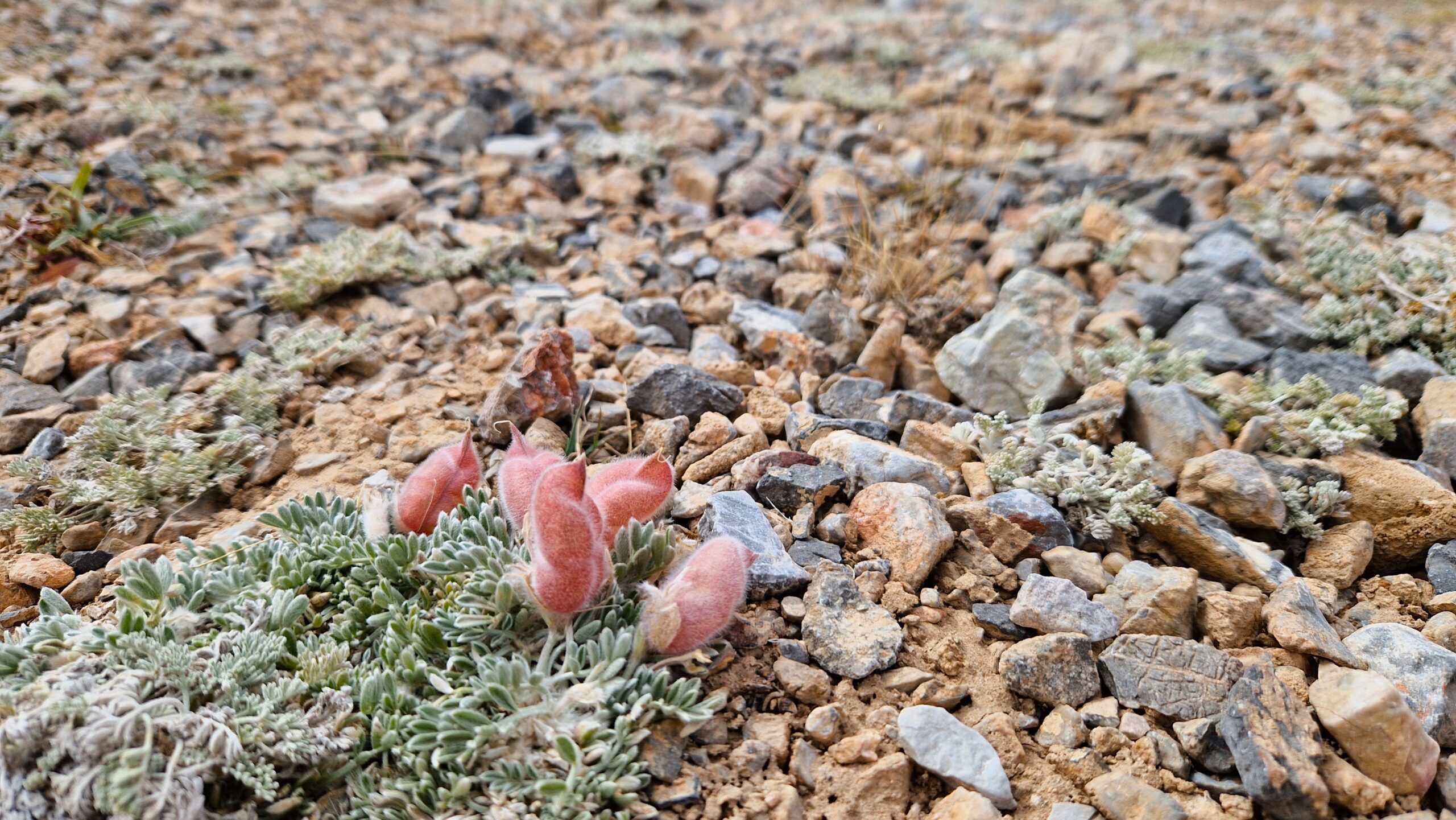
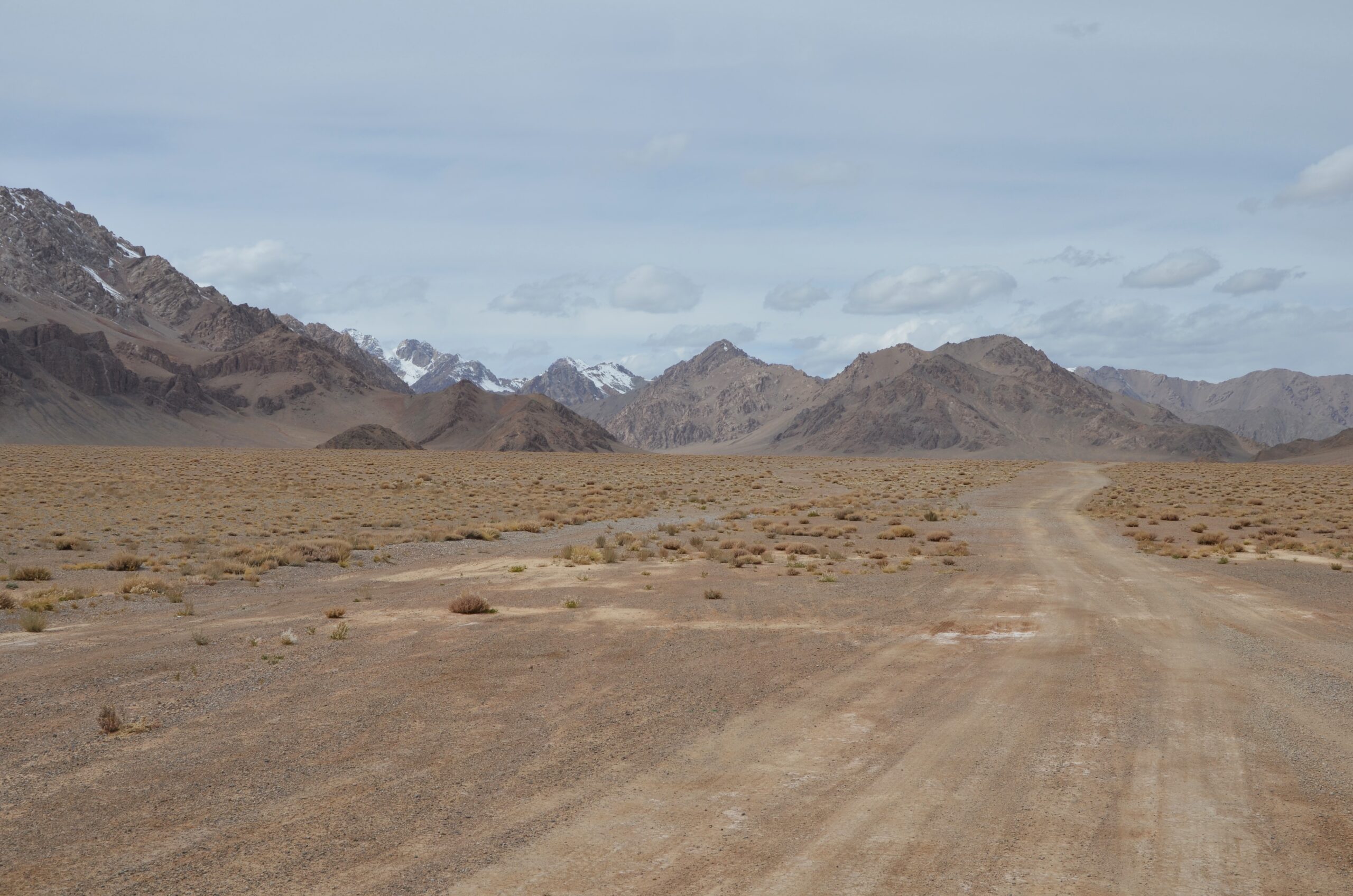
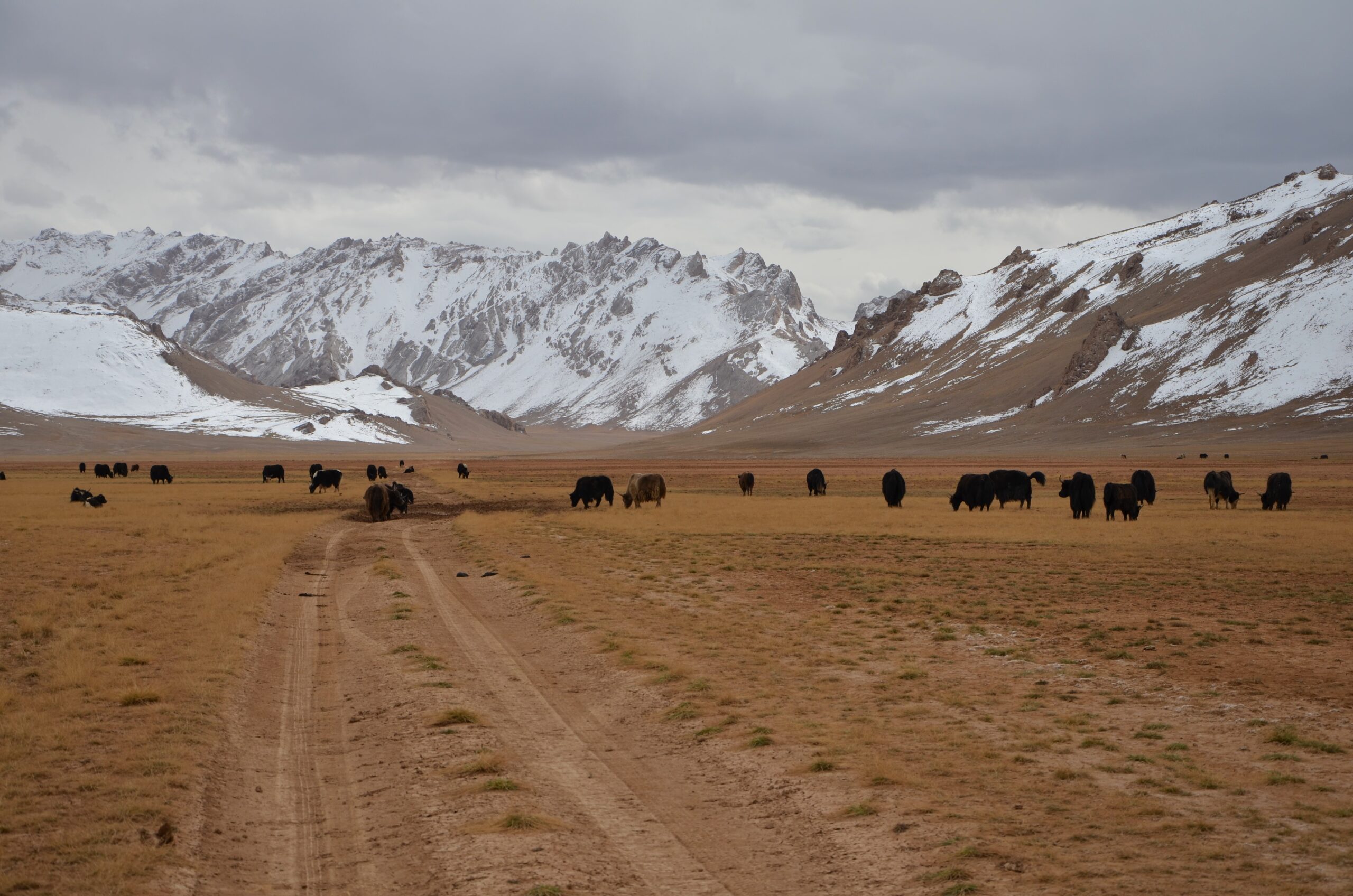
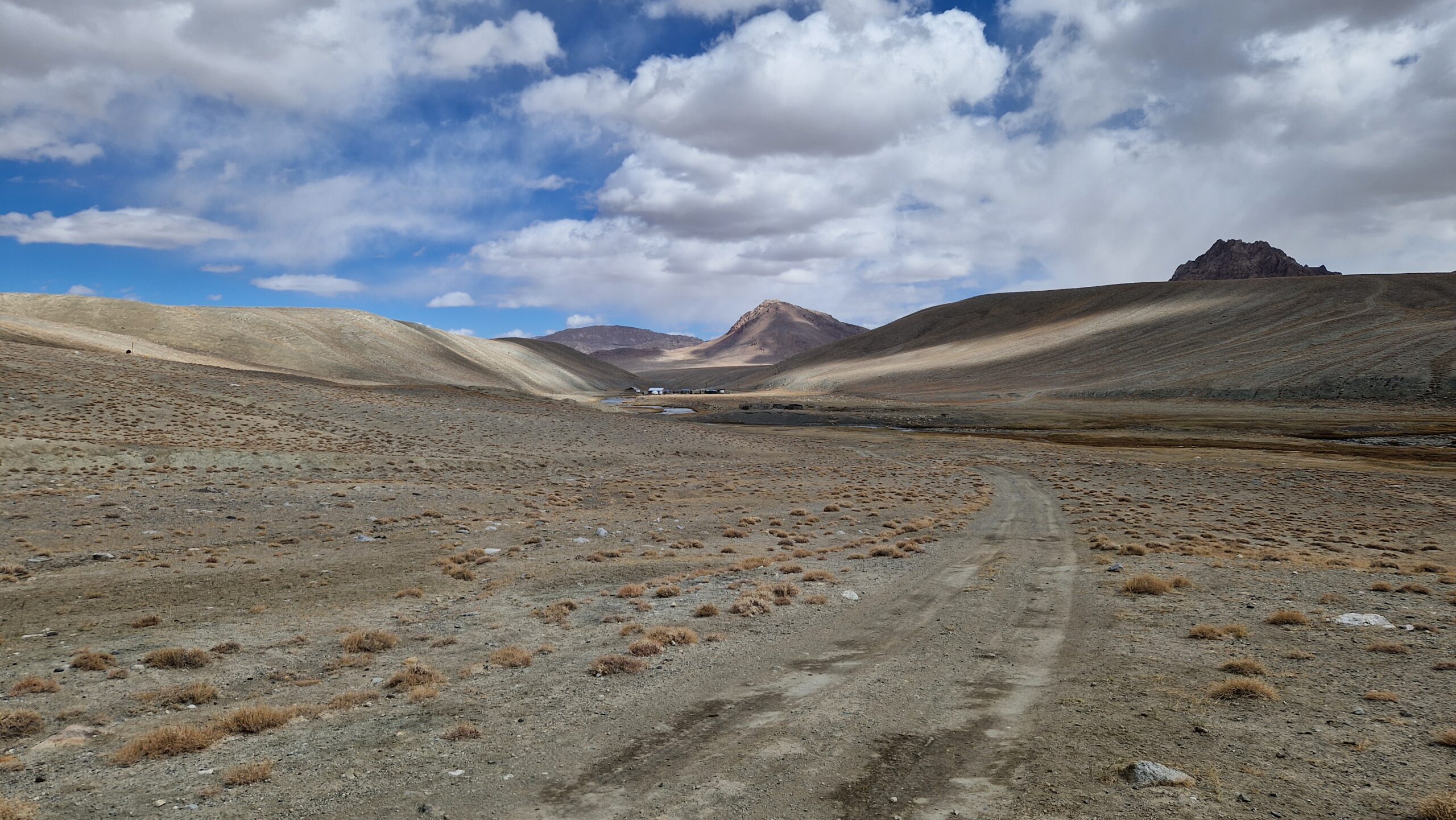
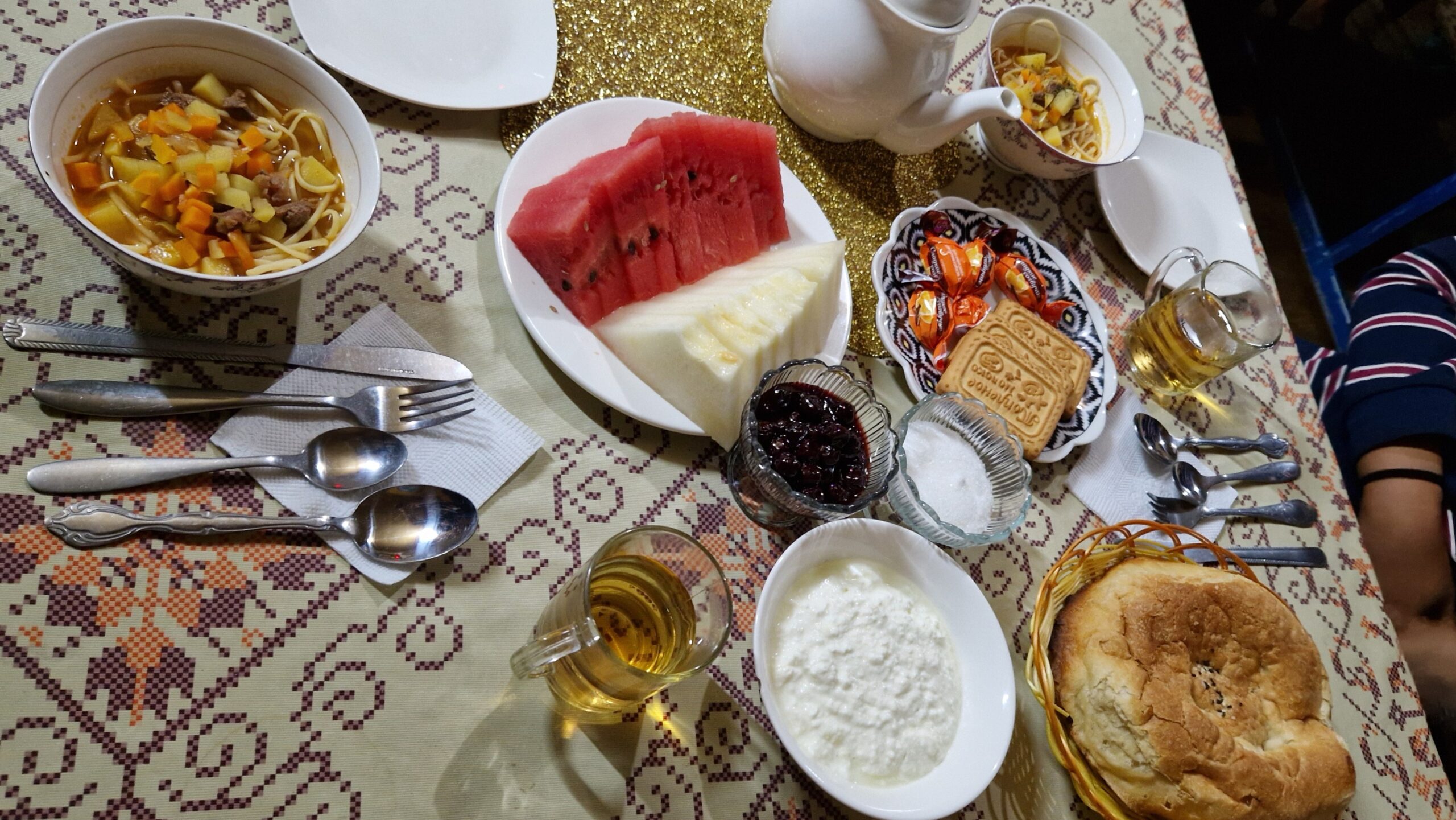
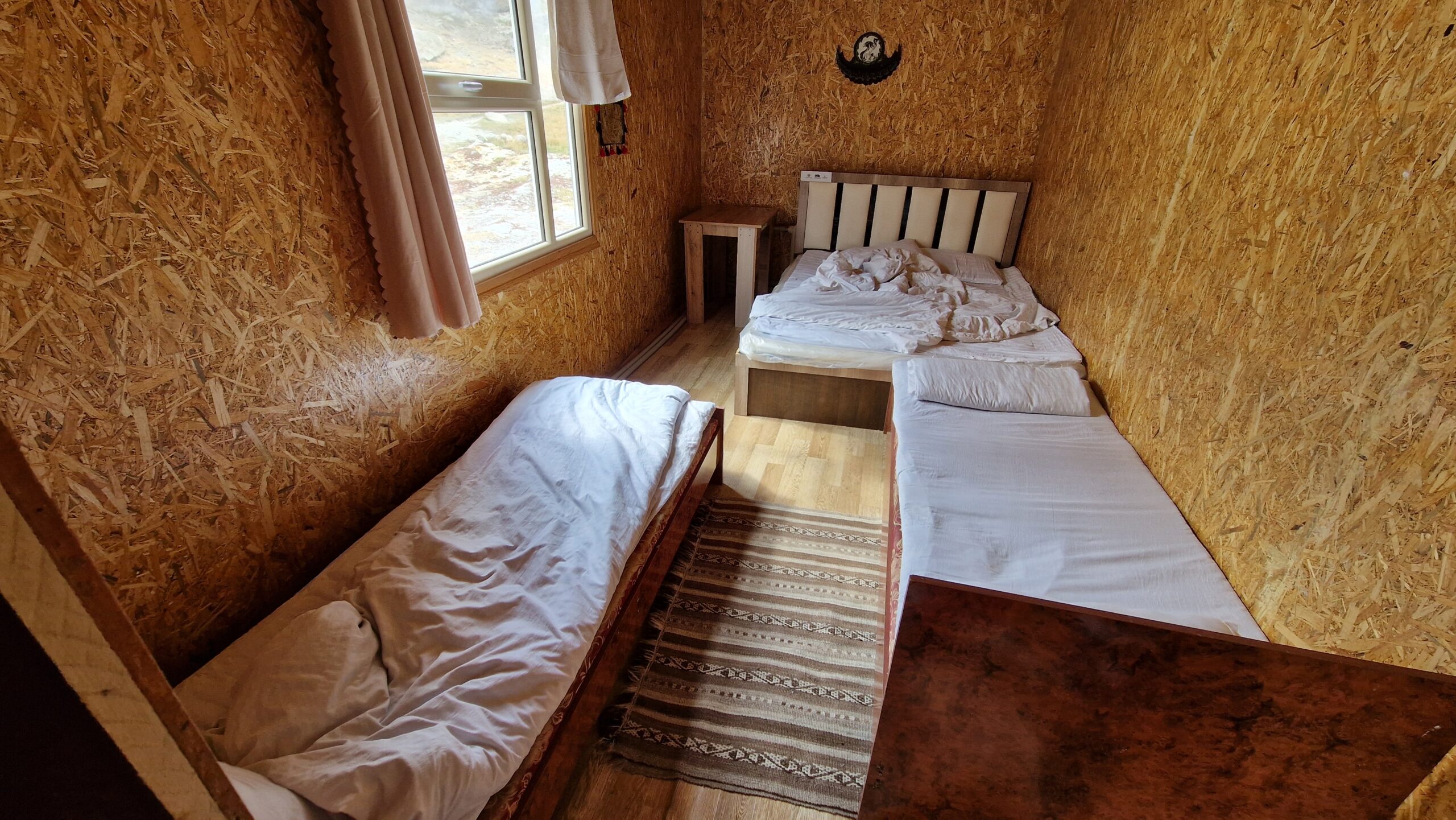
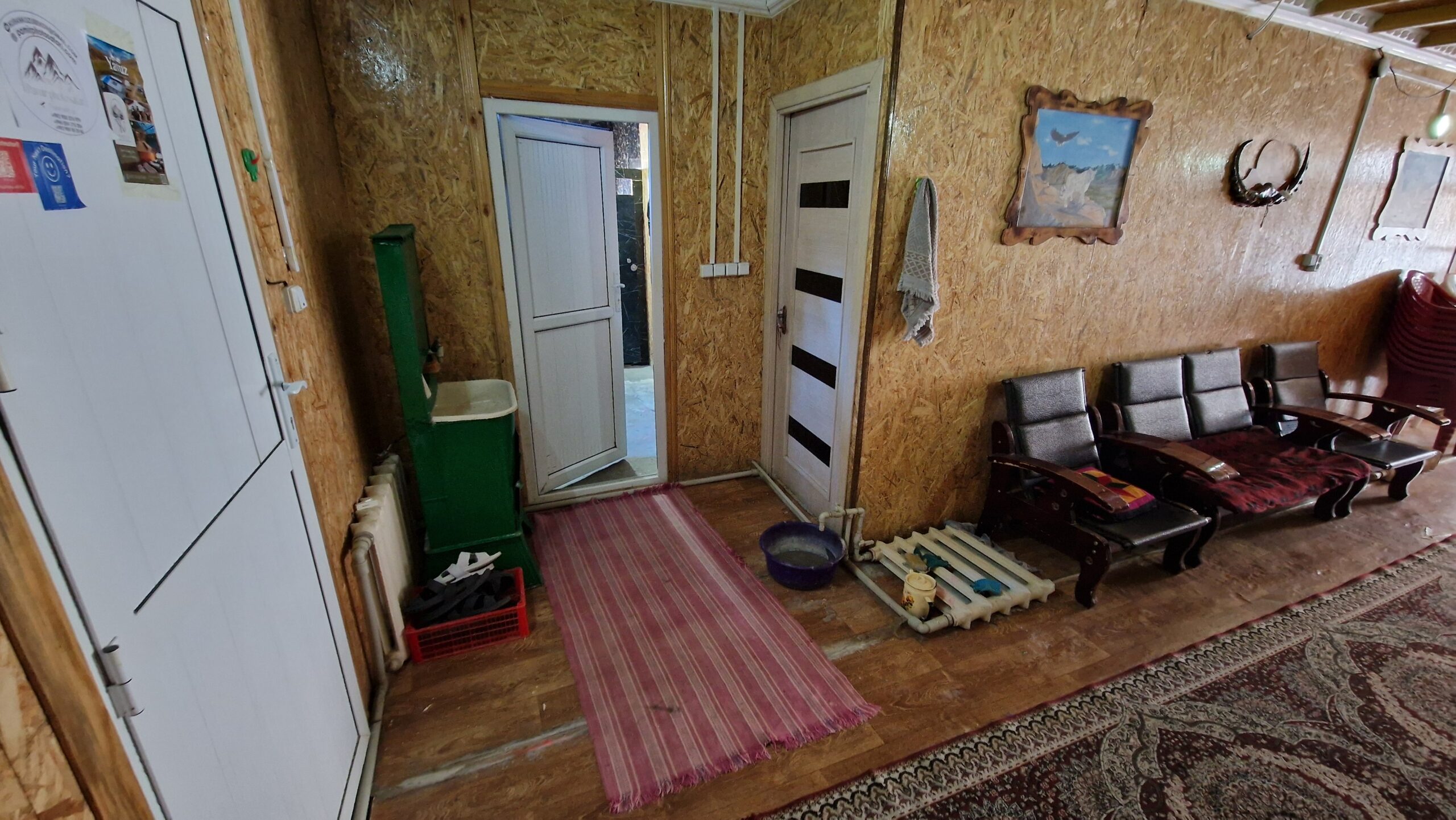
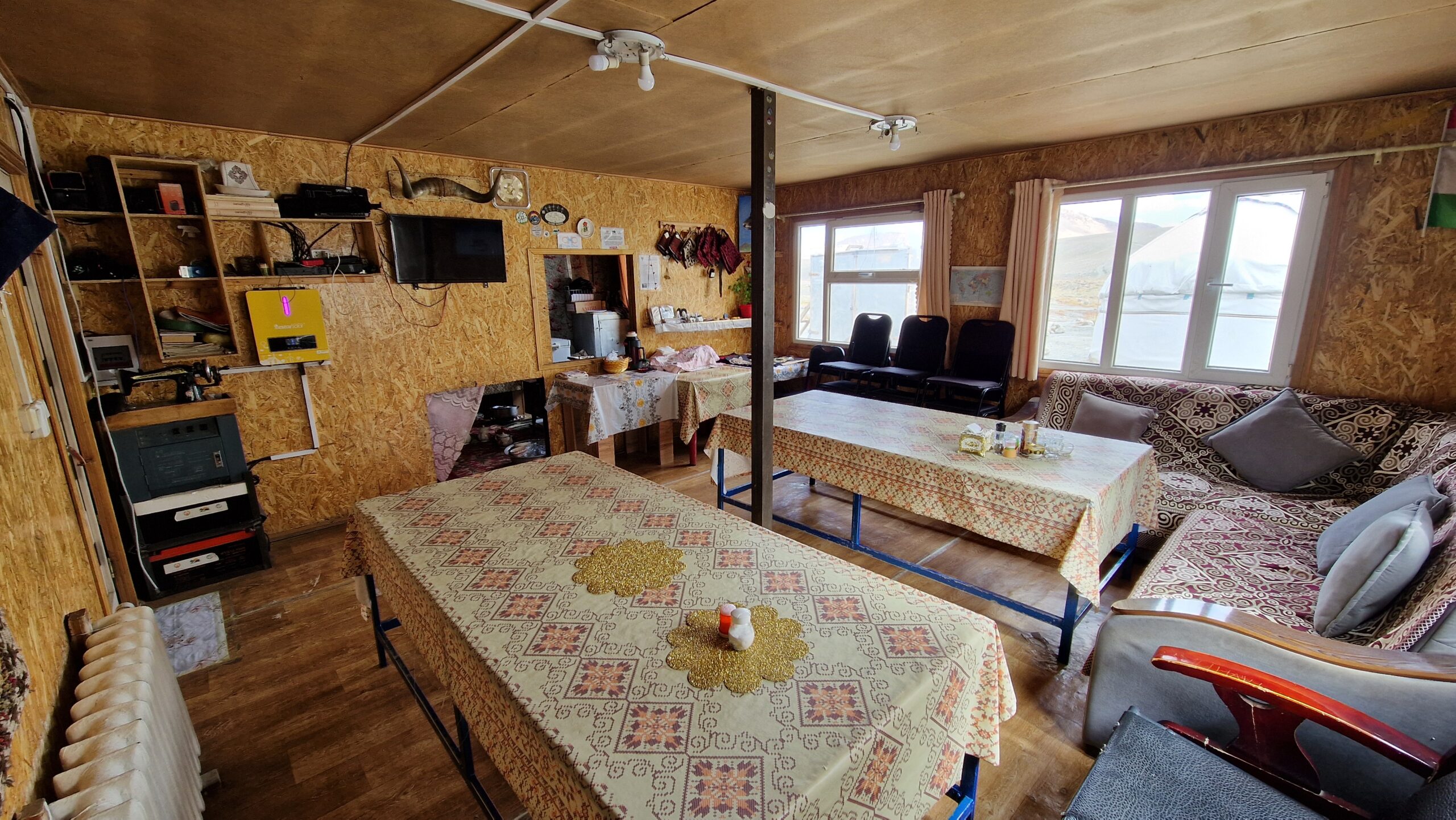
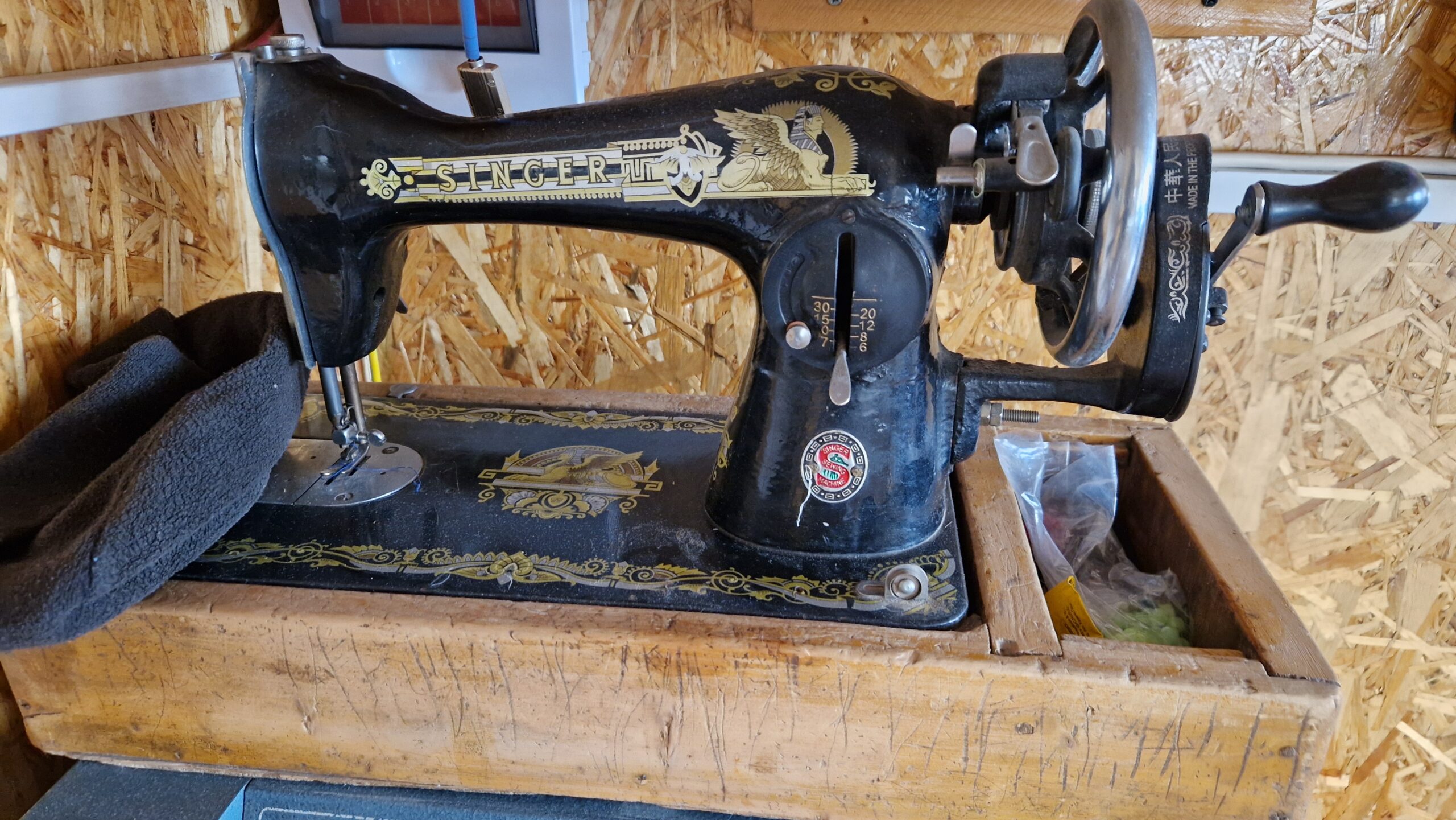

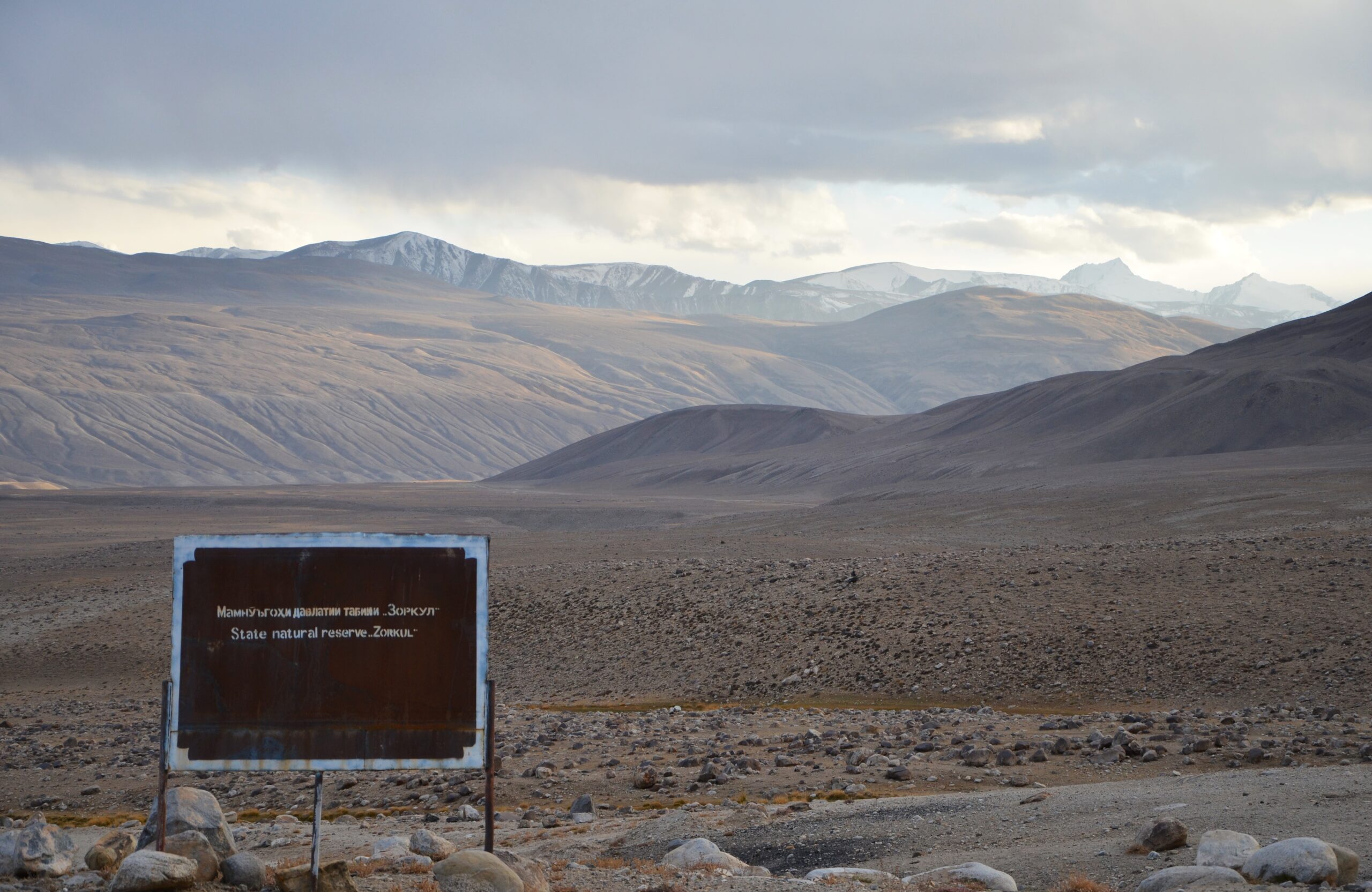
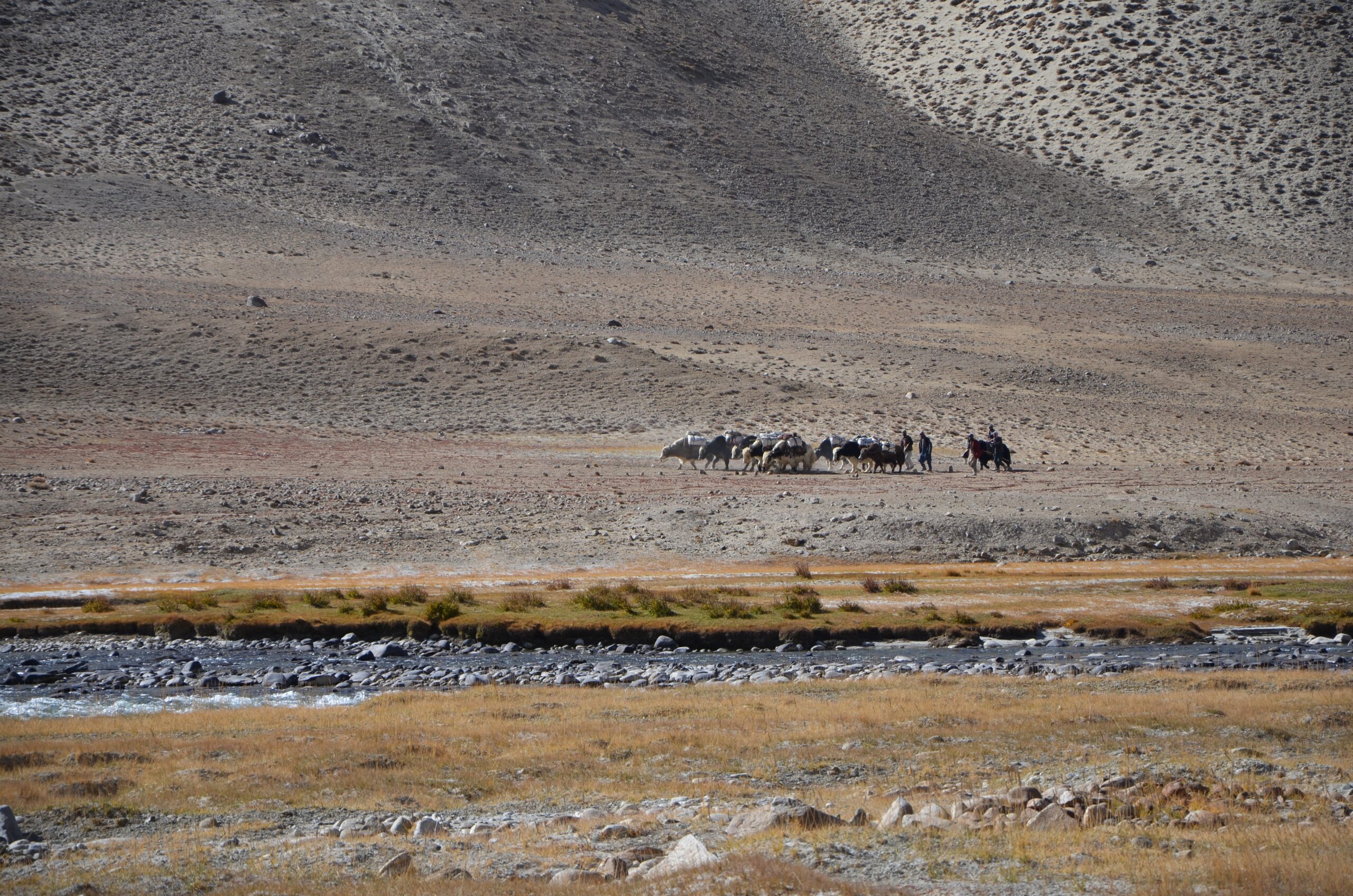
After a hearty breakfast, we continued on to an area where we might spot the aforementioned cats: The Zorkul Reserve. Of course, it’s nearly impossible to spot these rare animals just by crossing the area. But the views were beautiful either way.
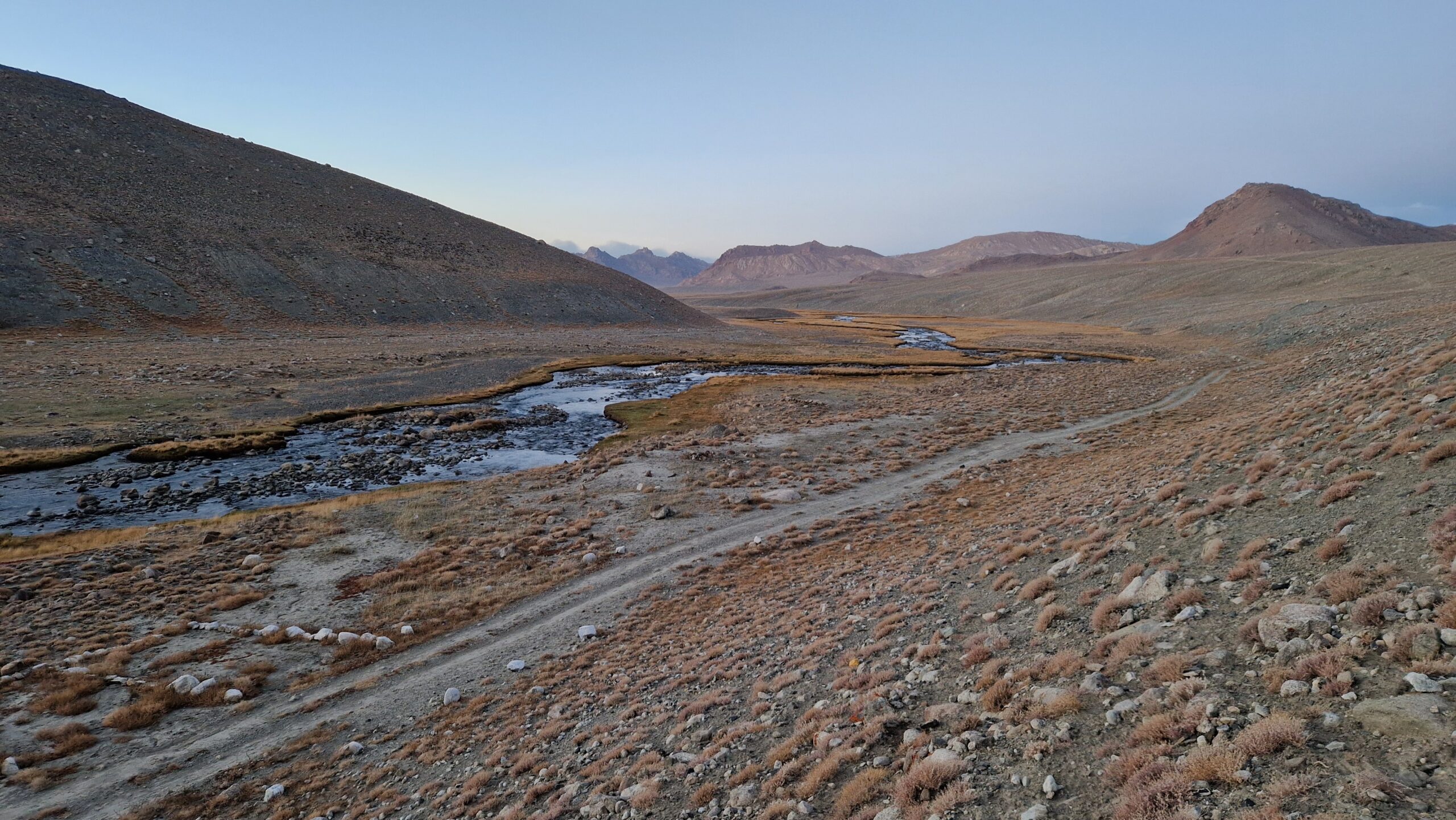
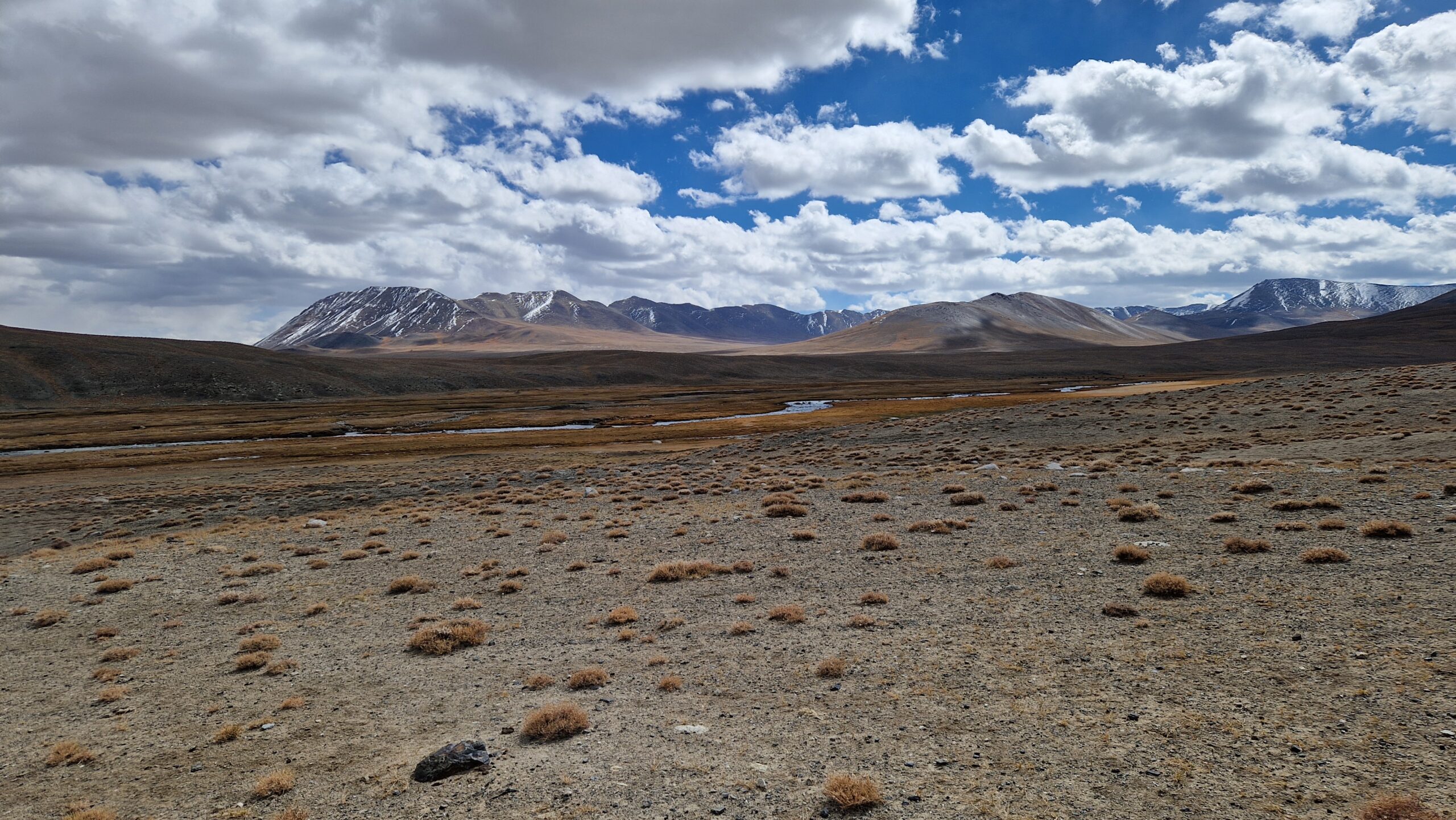
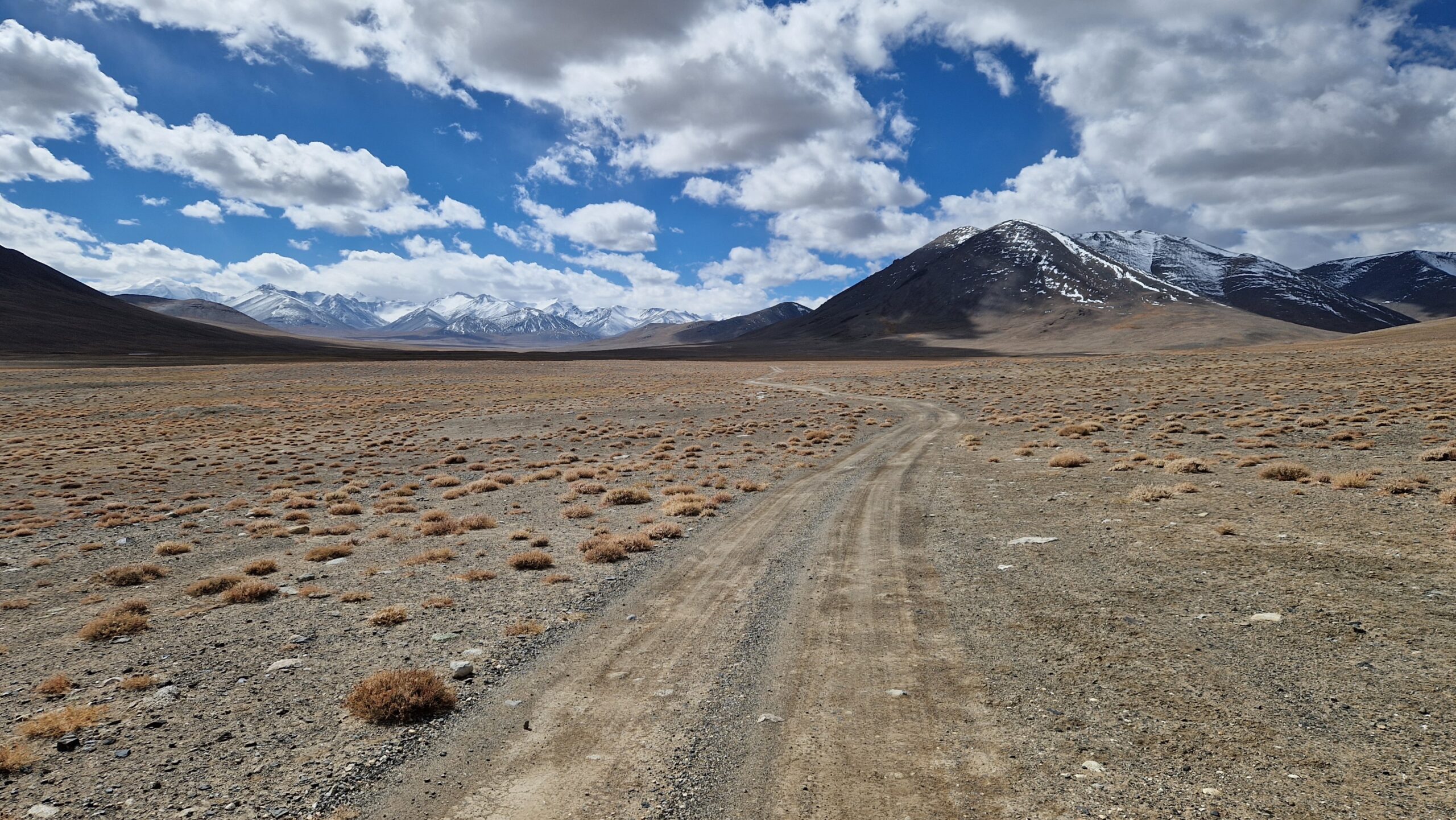
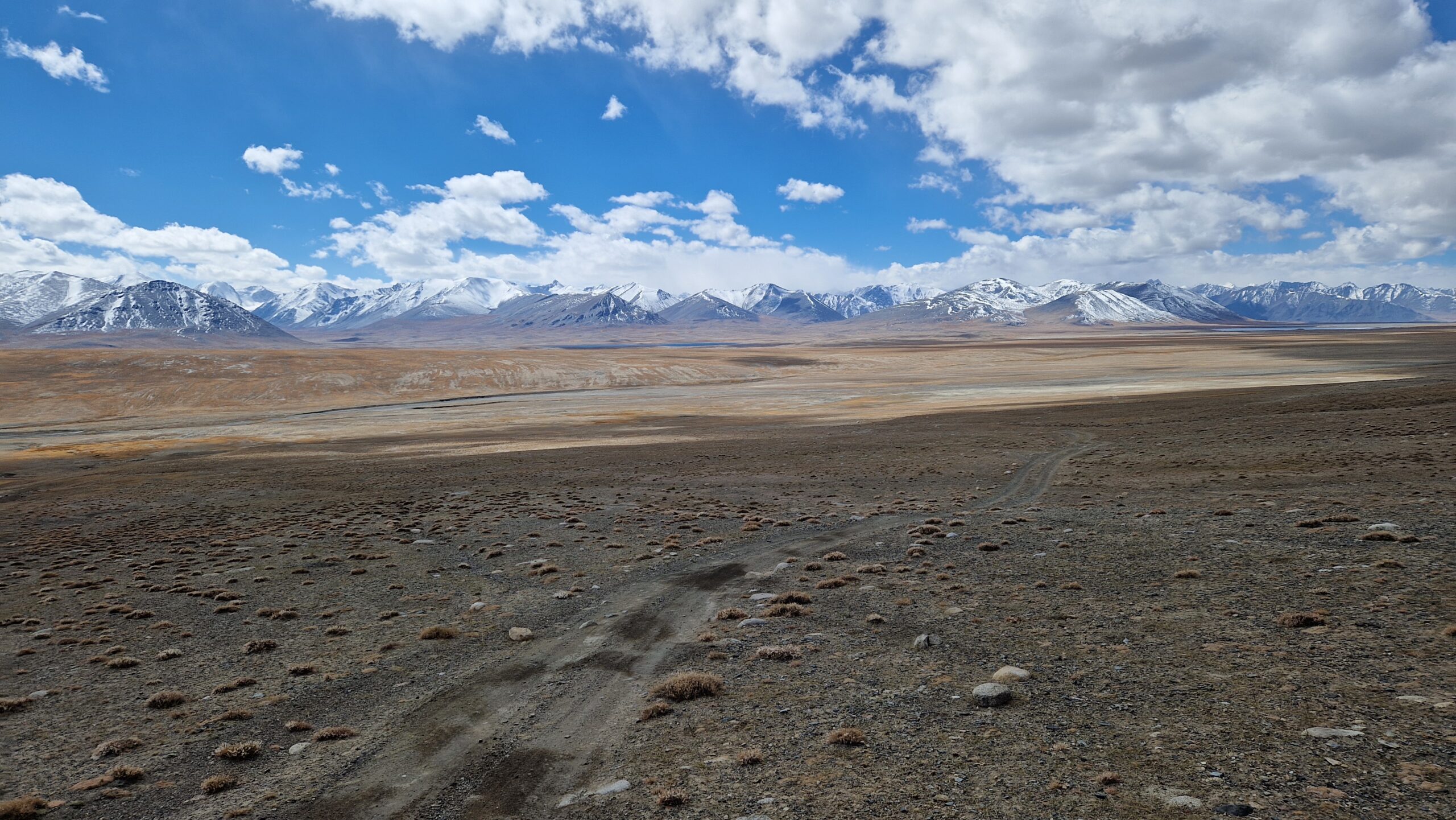
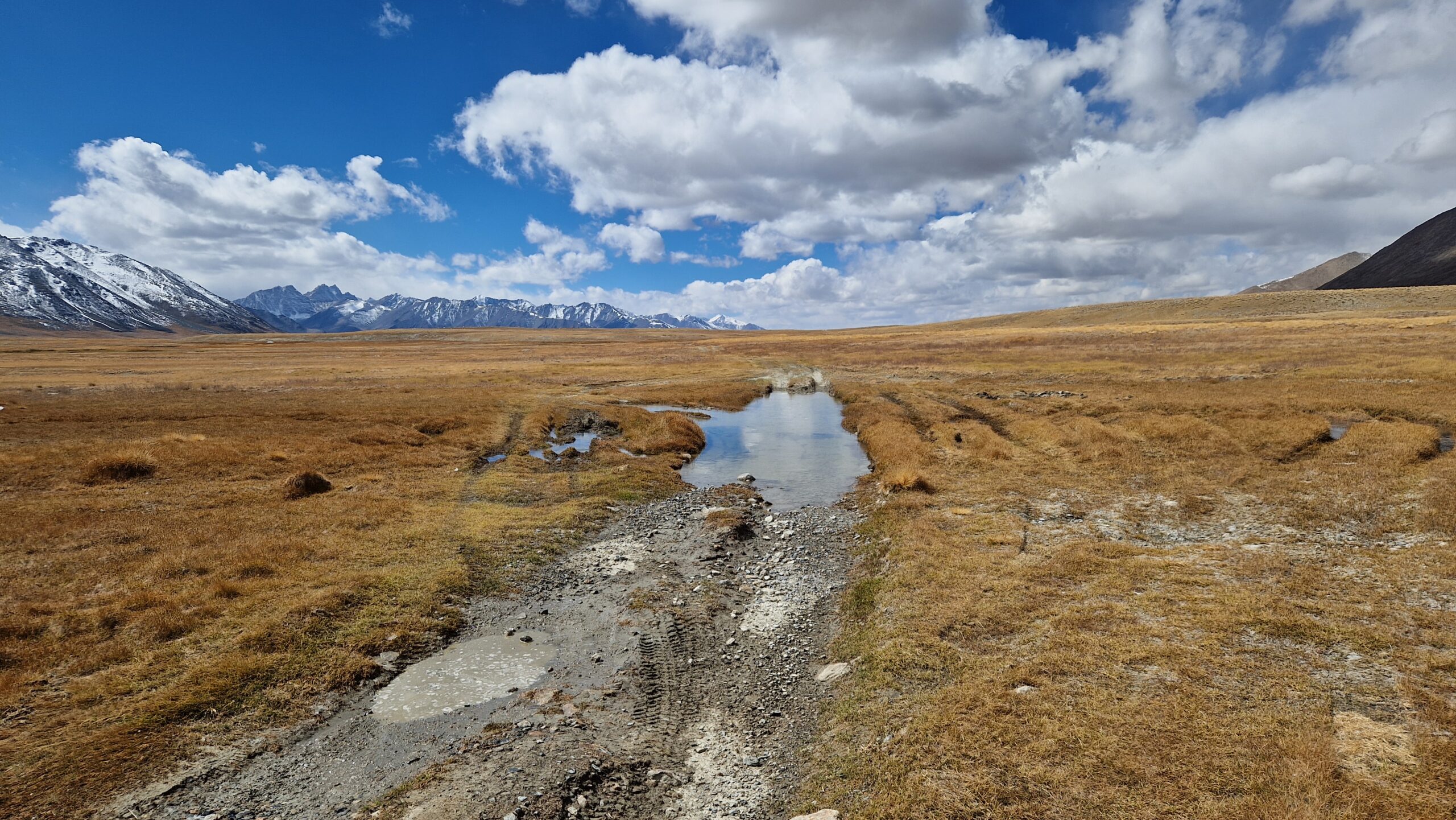
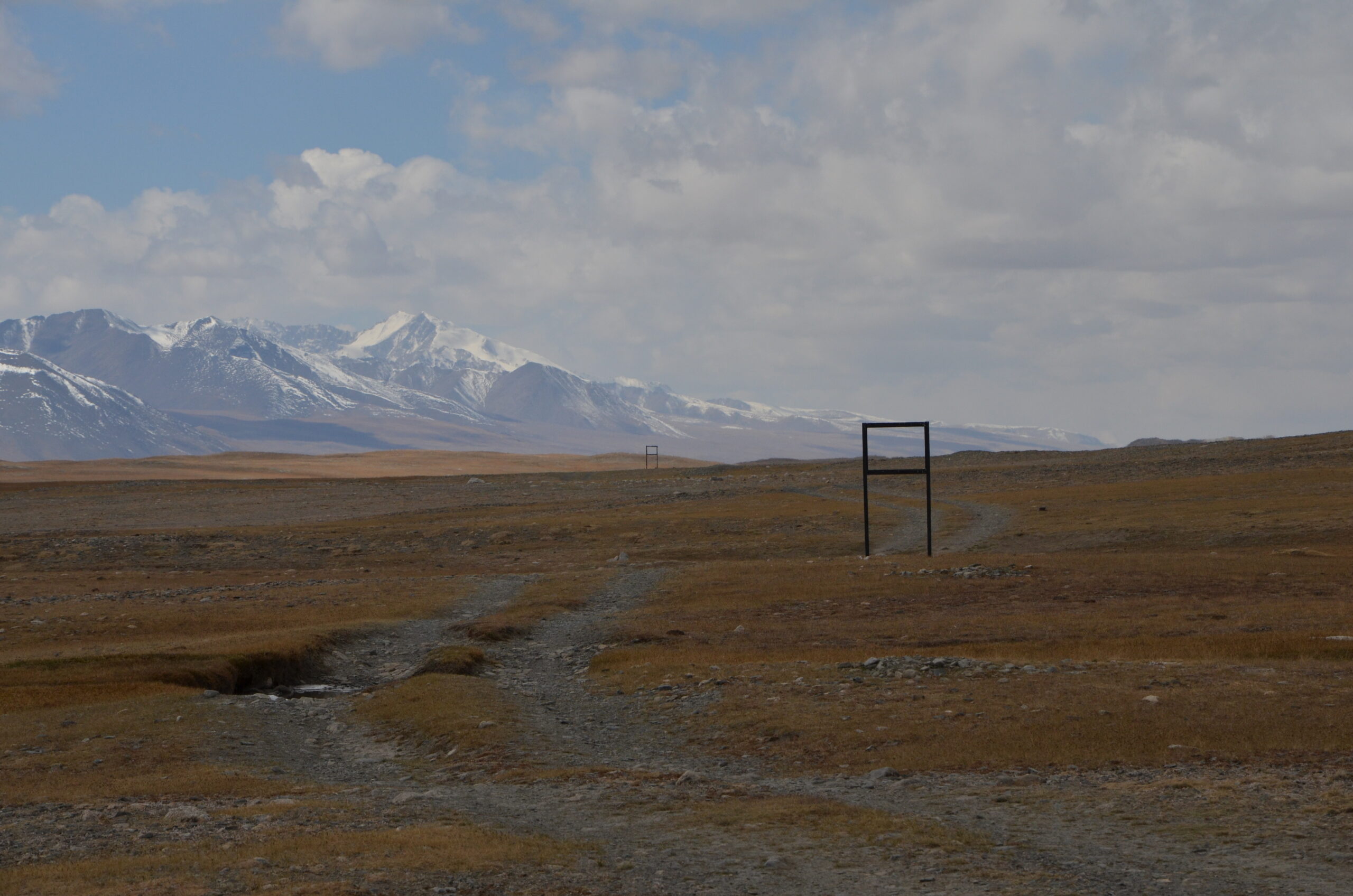
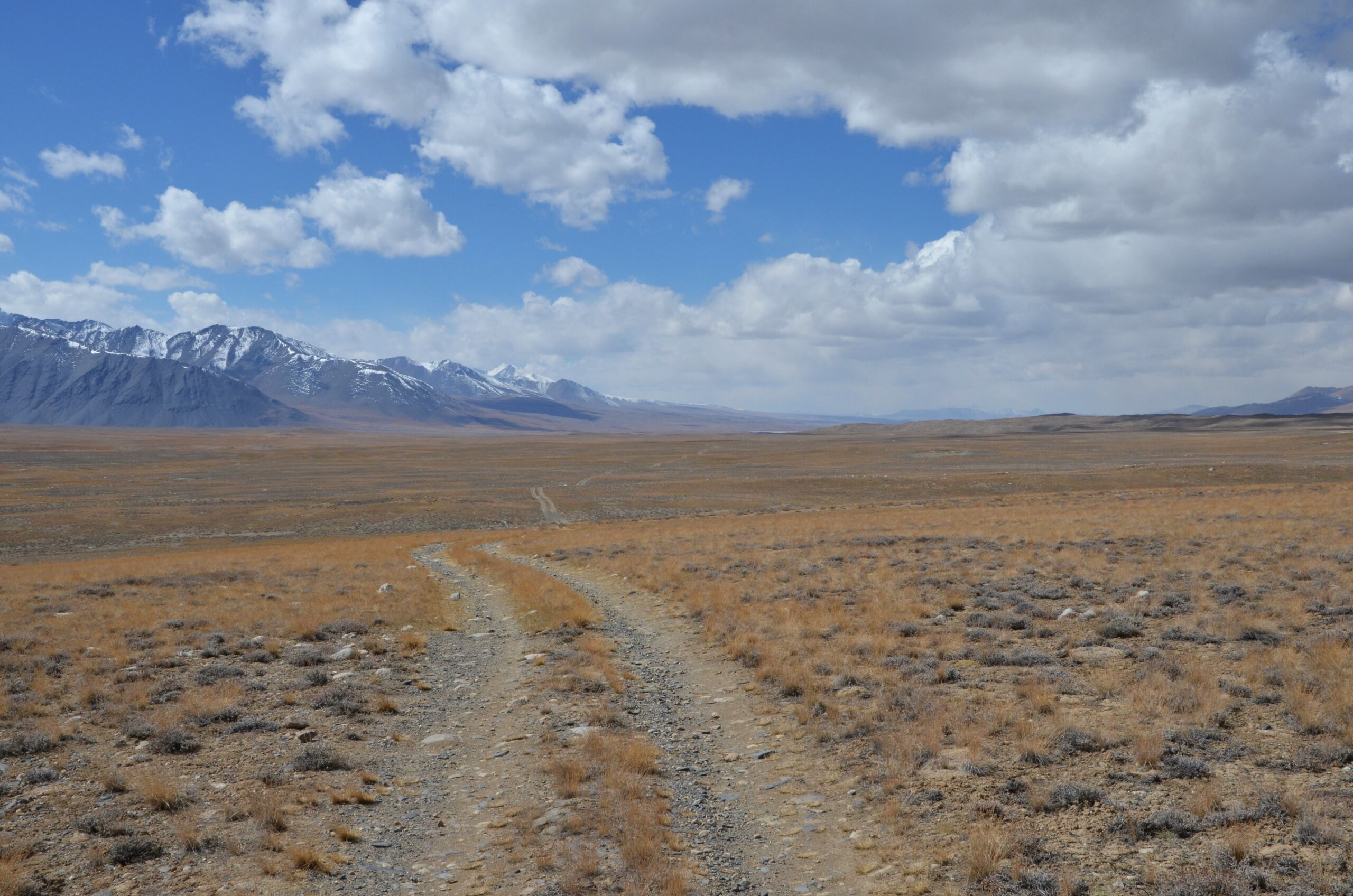

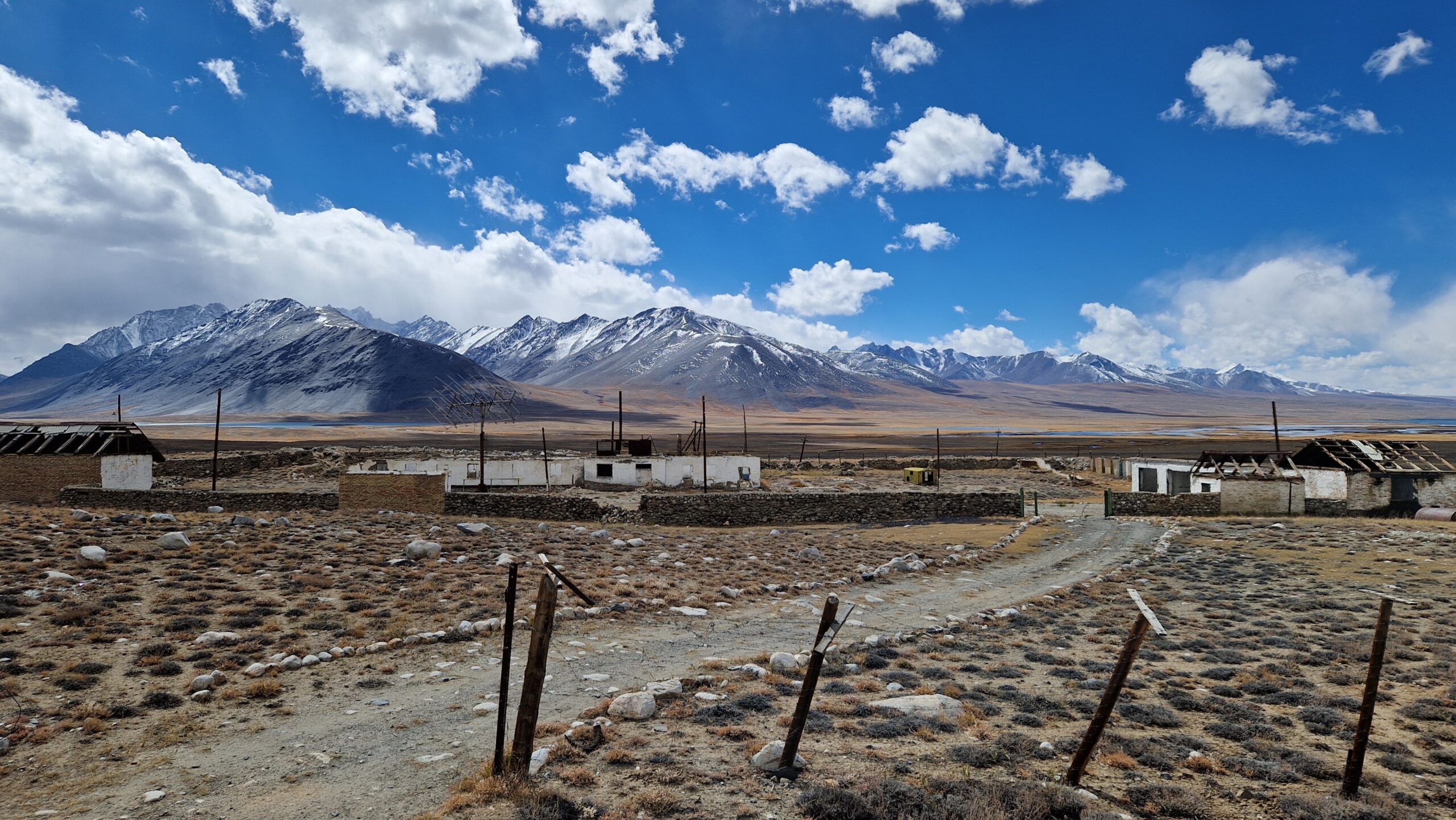
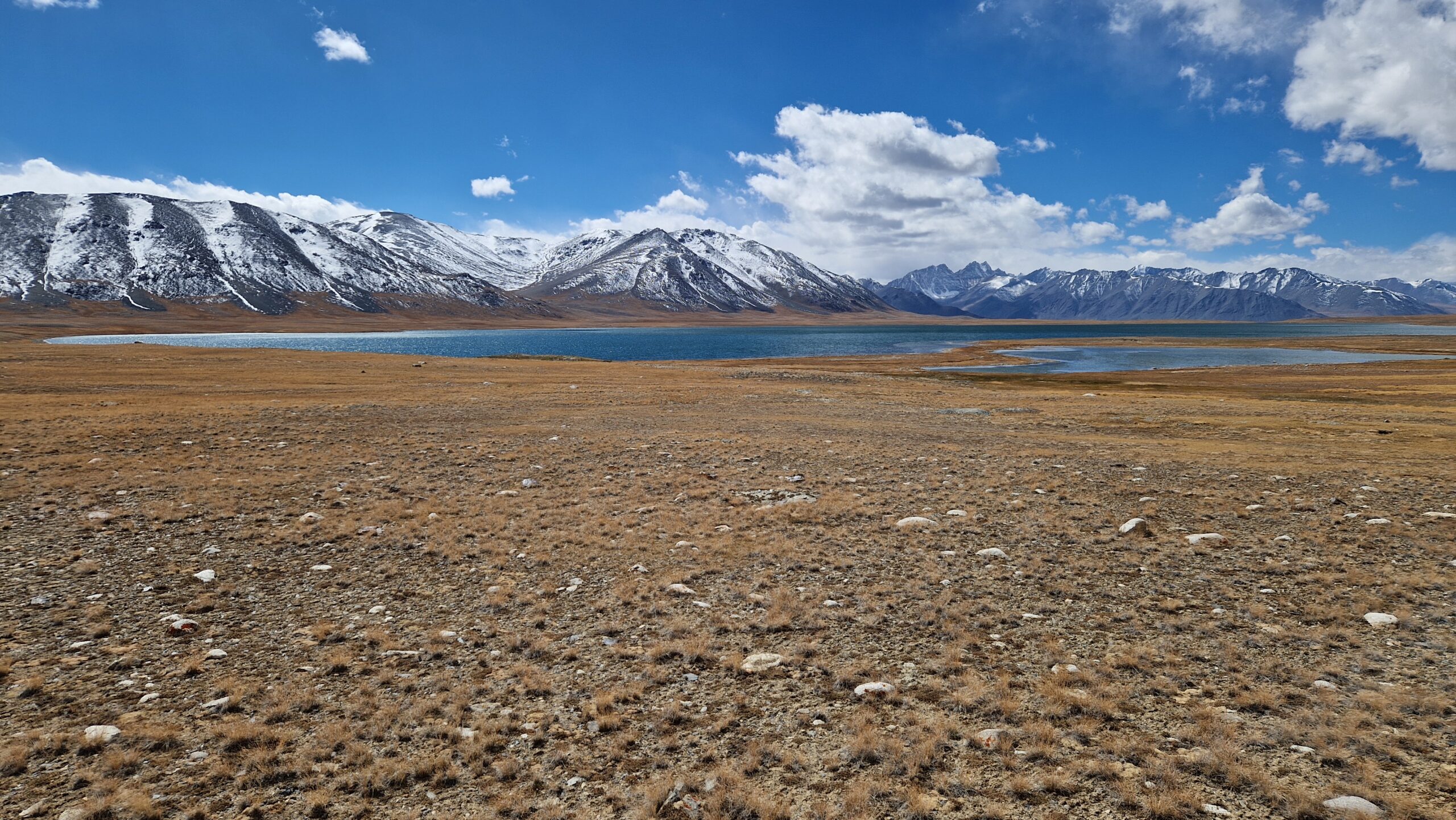
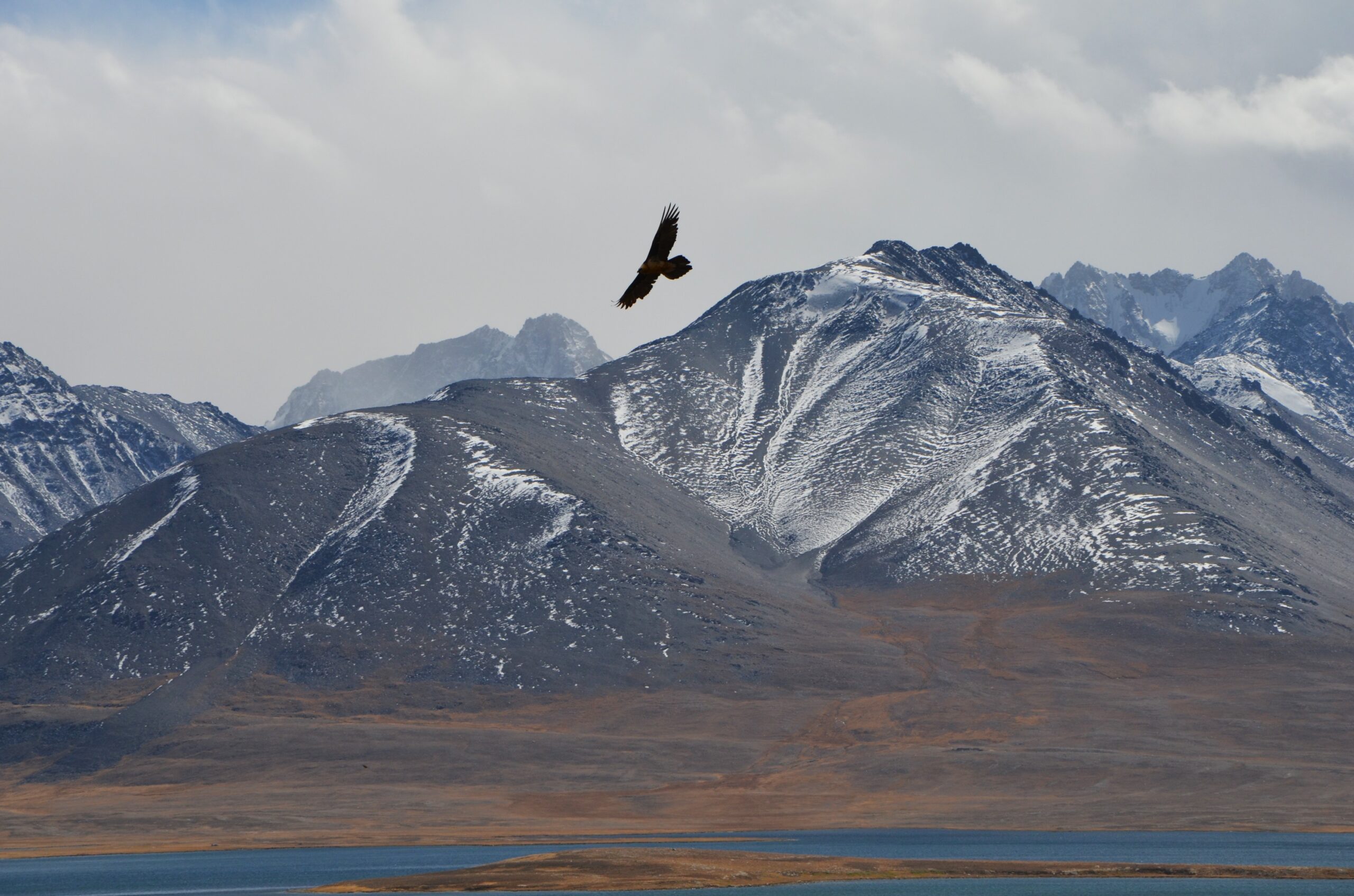
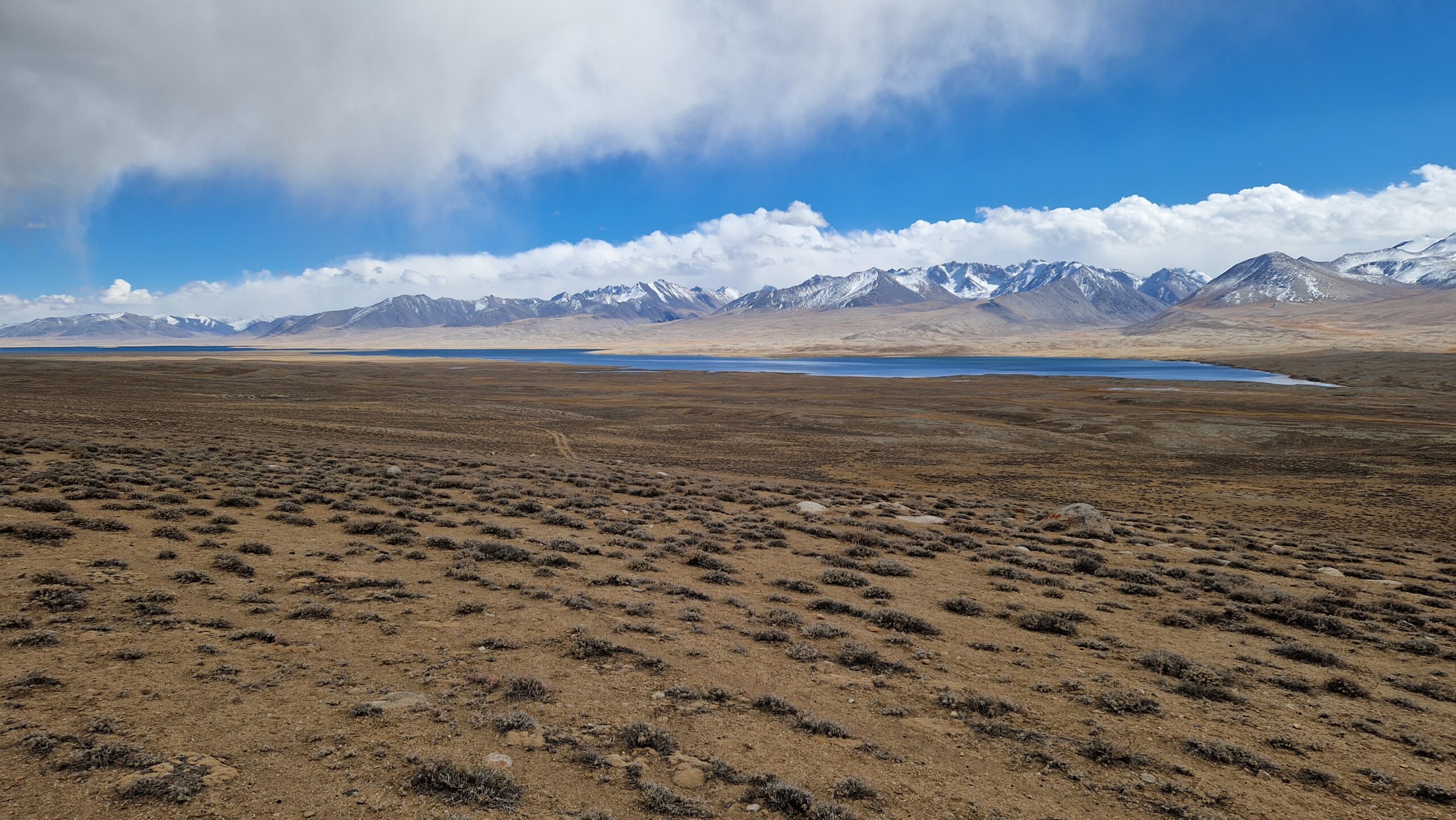
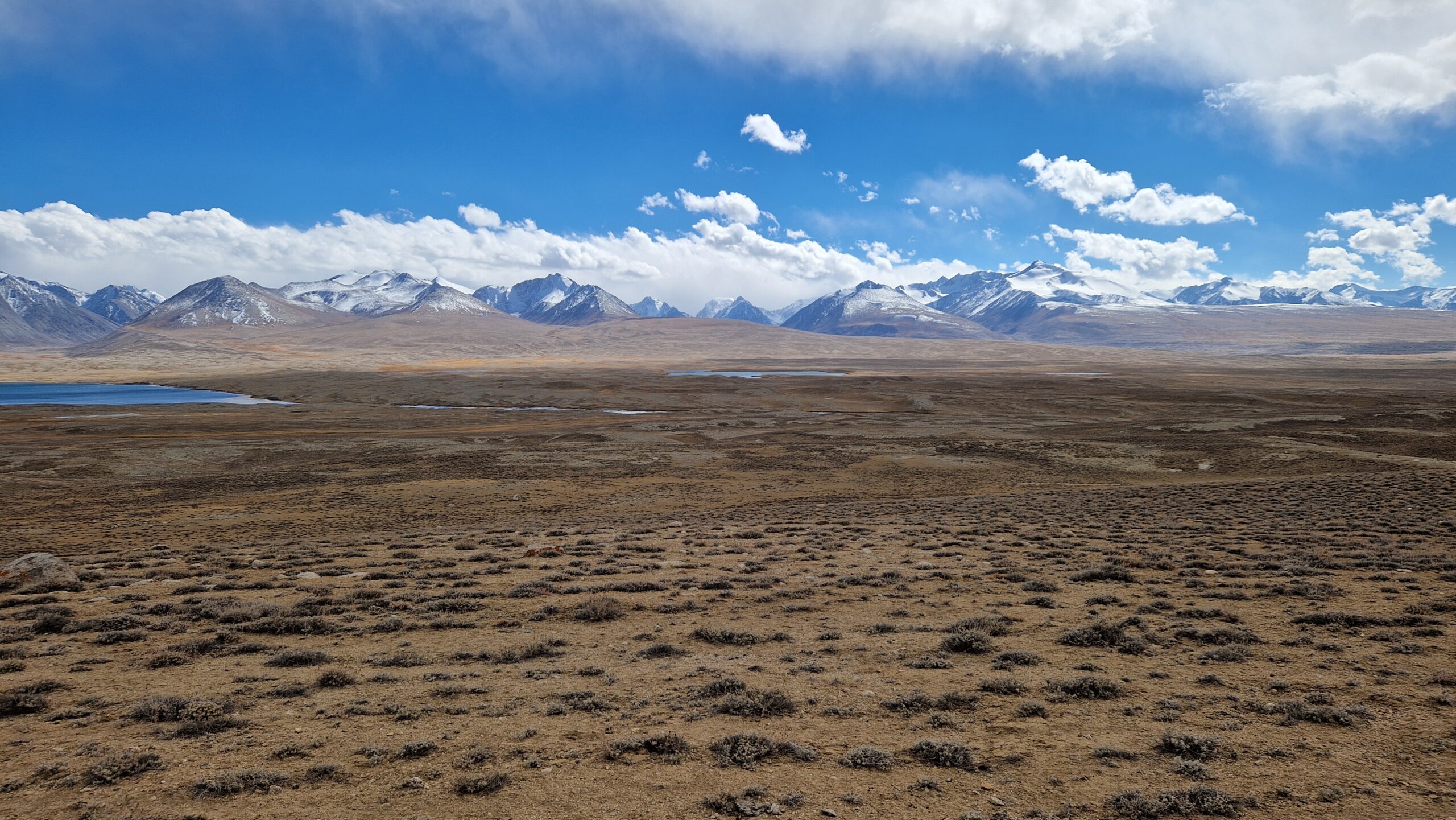
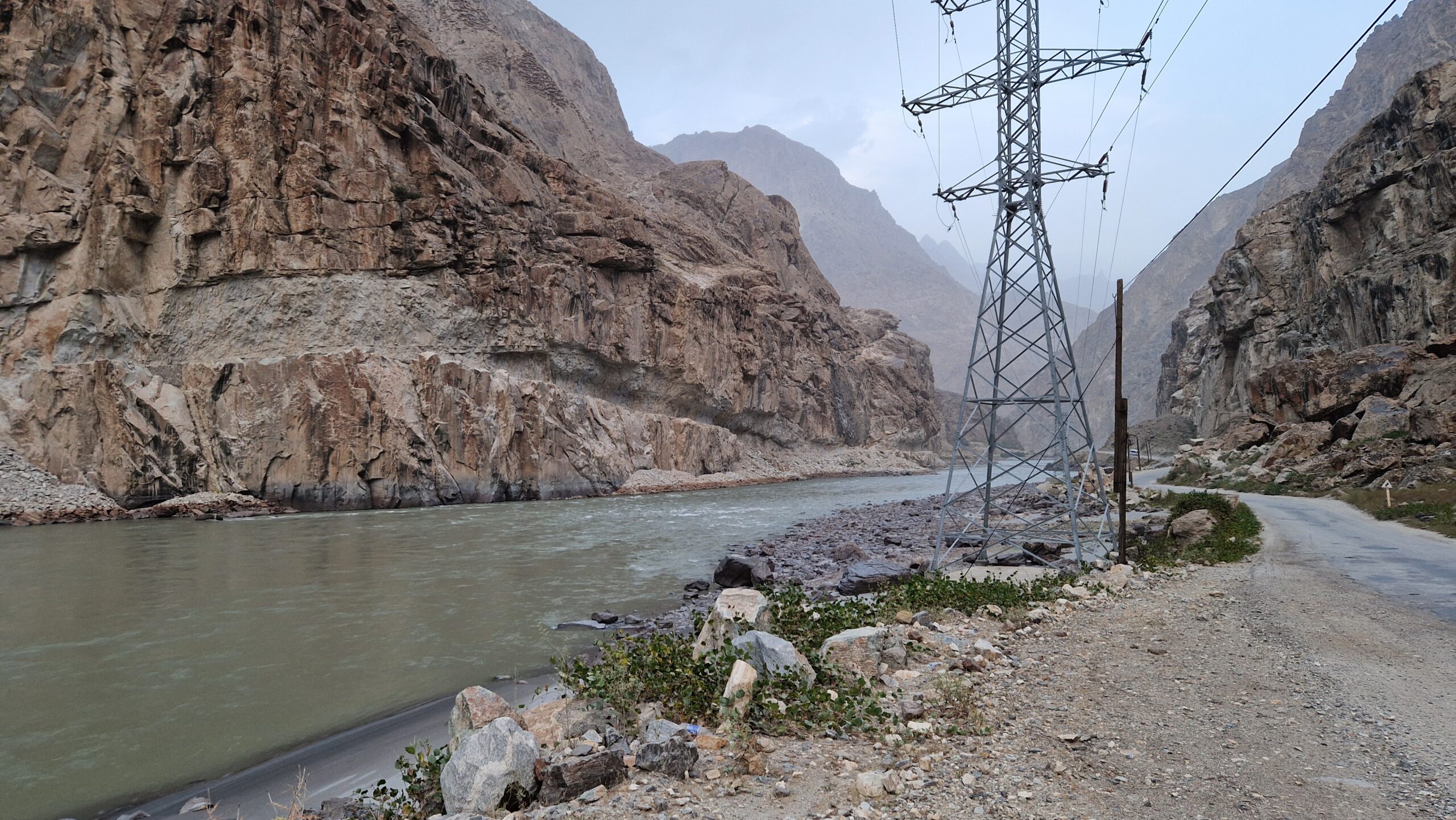
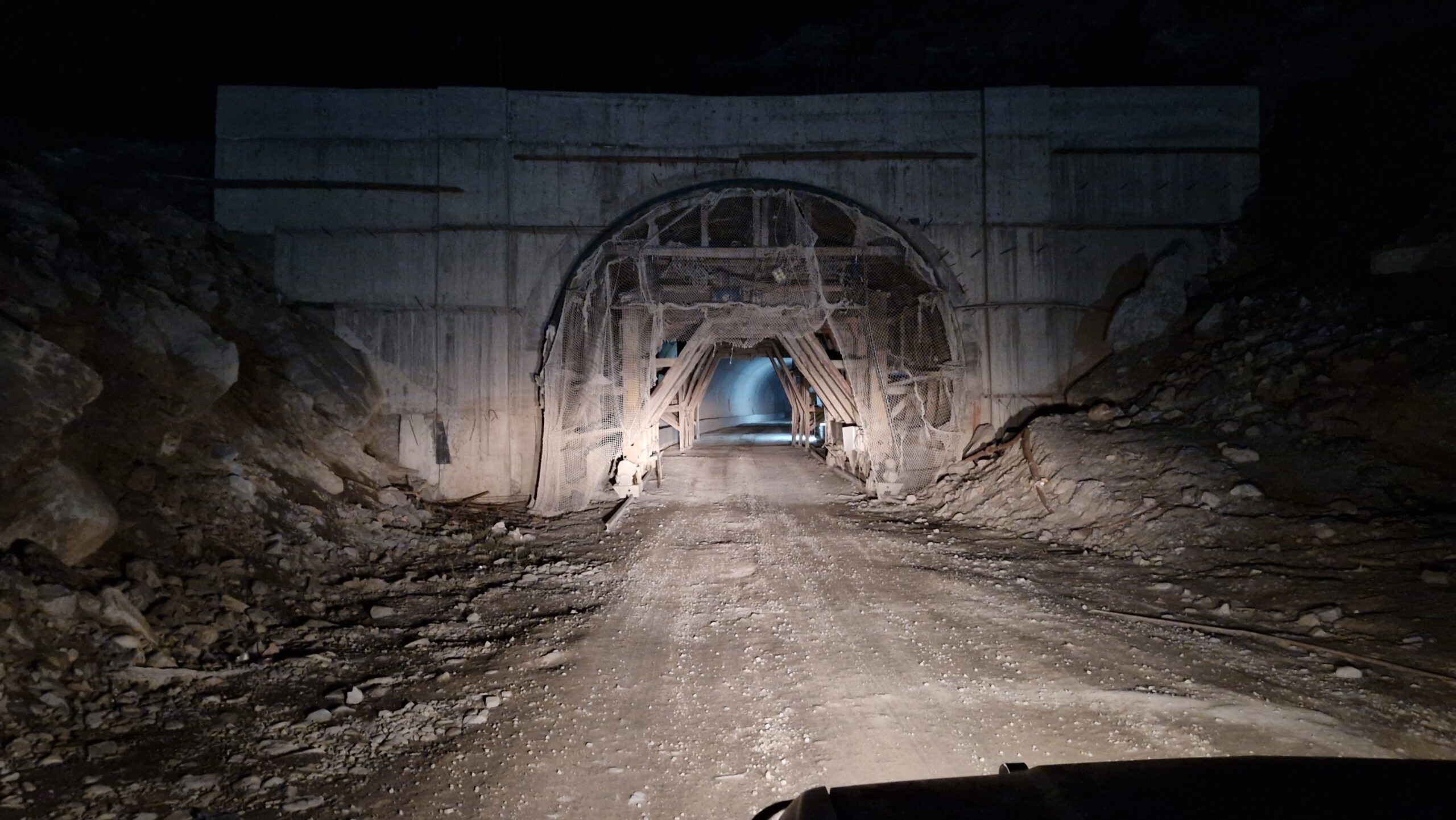
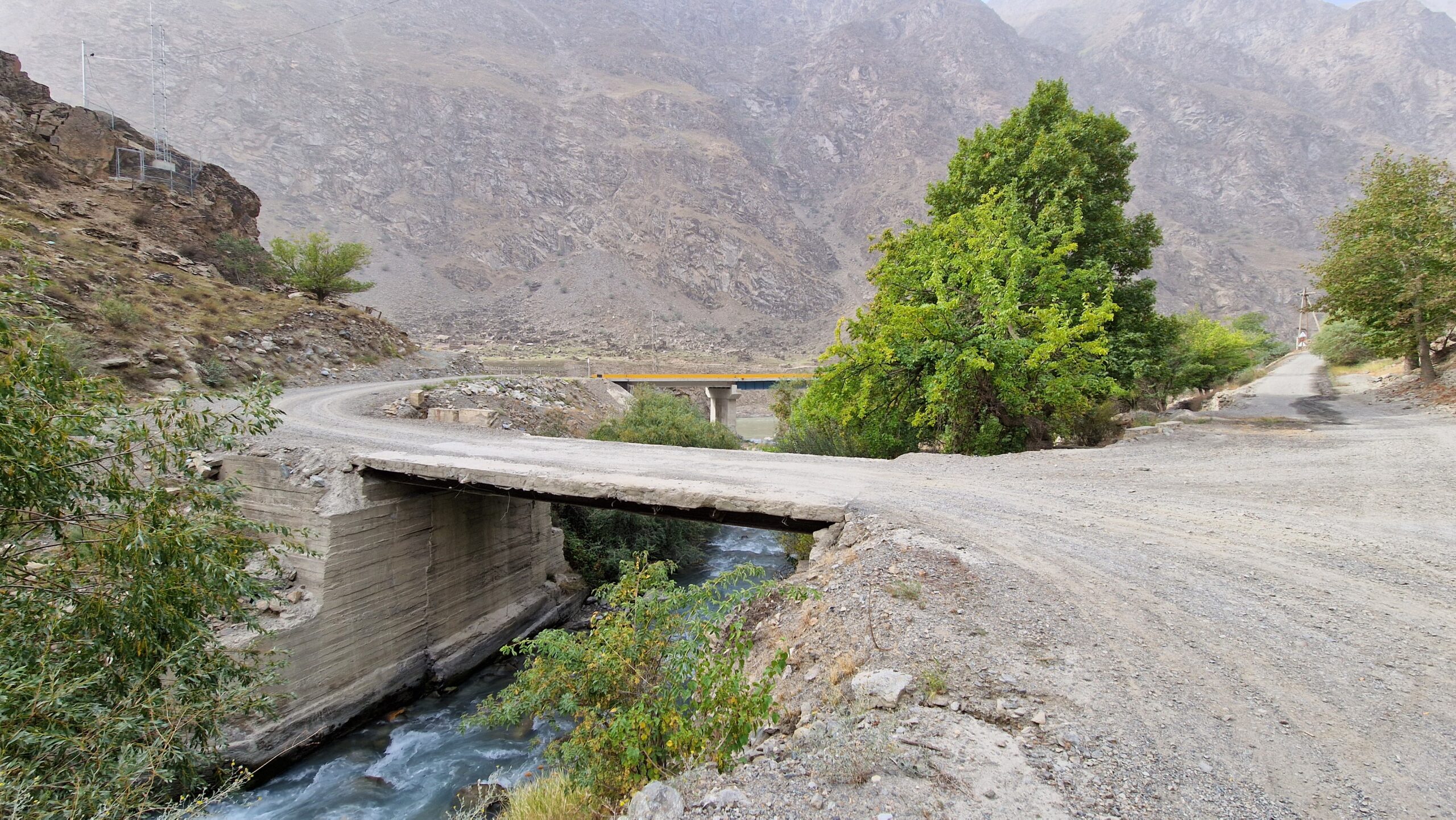
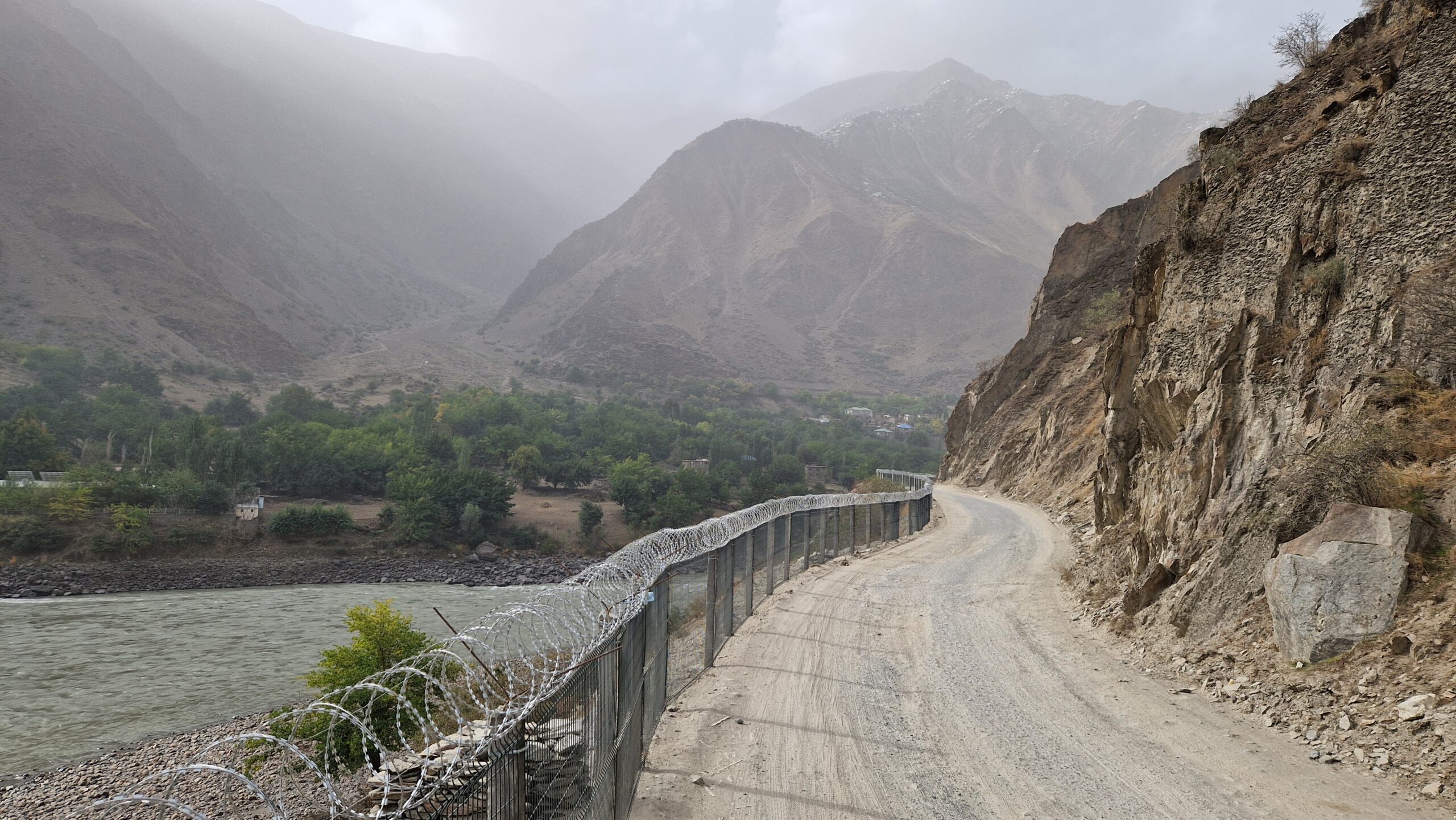
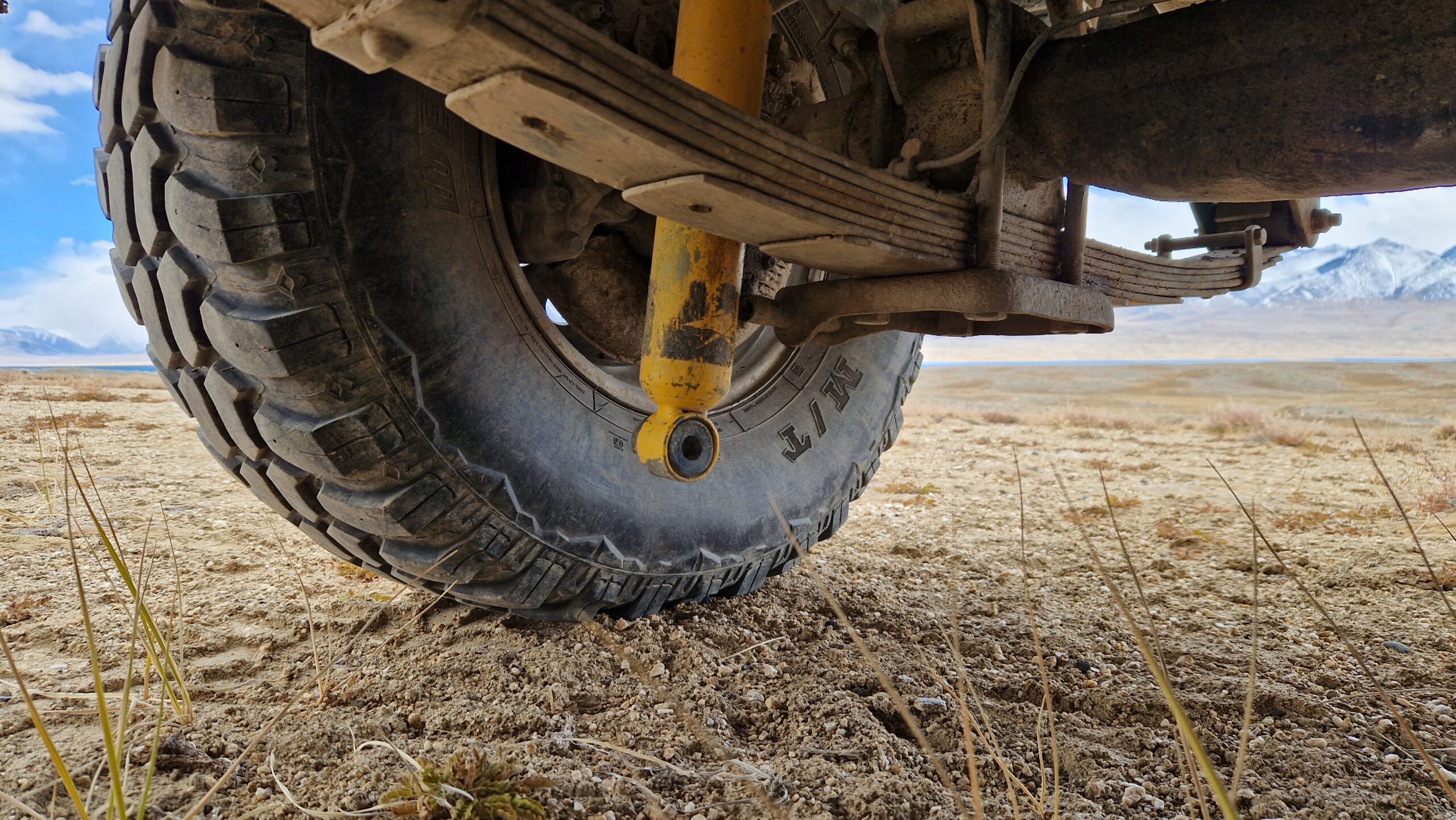
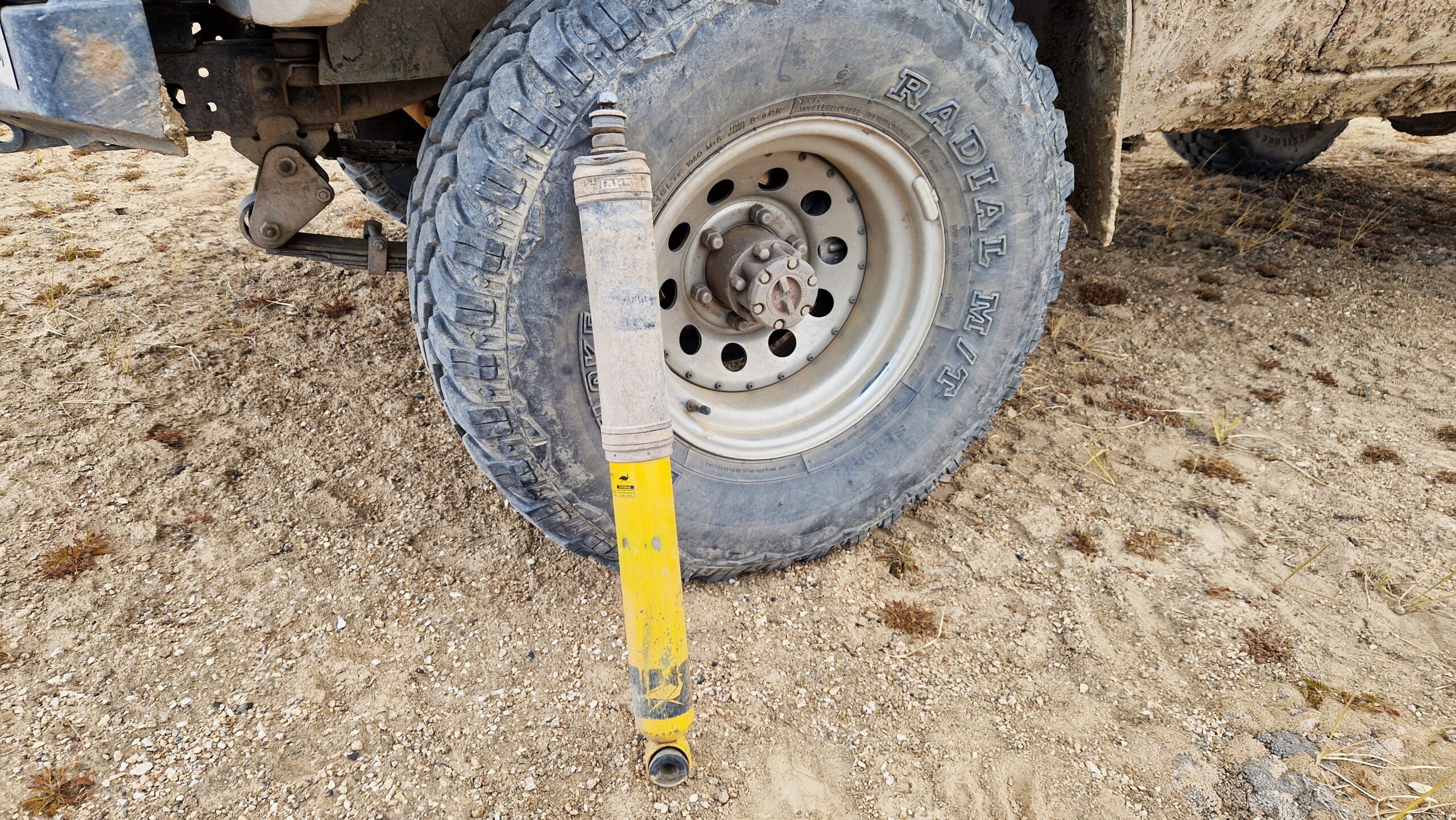
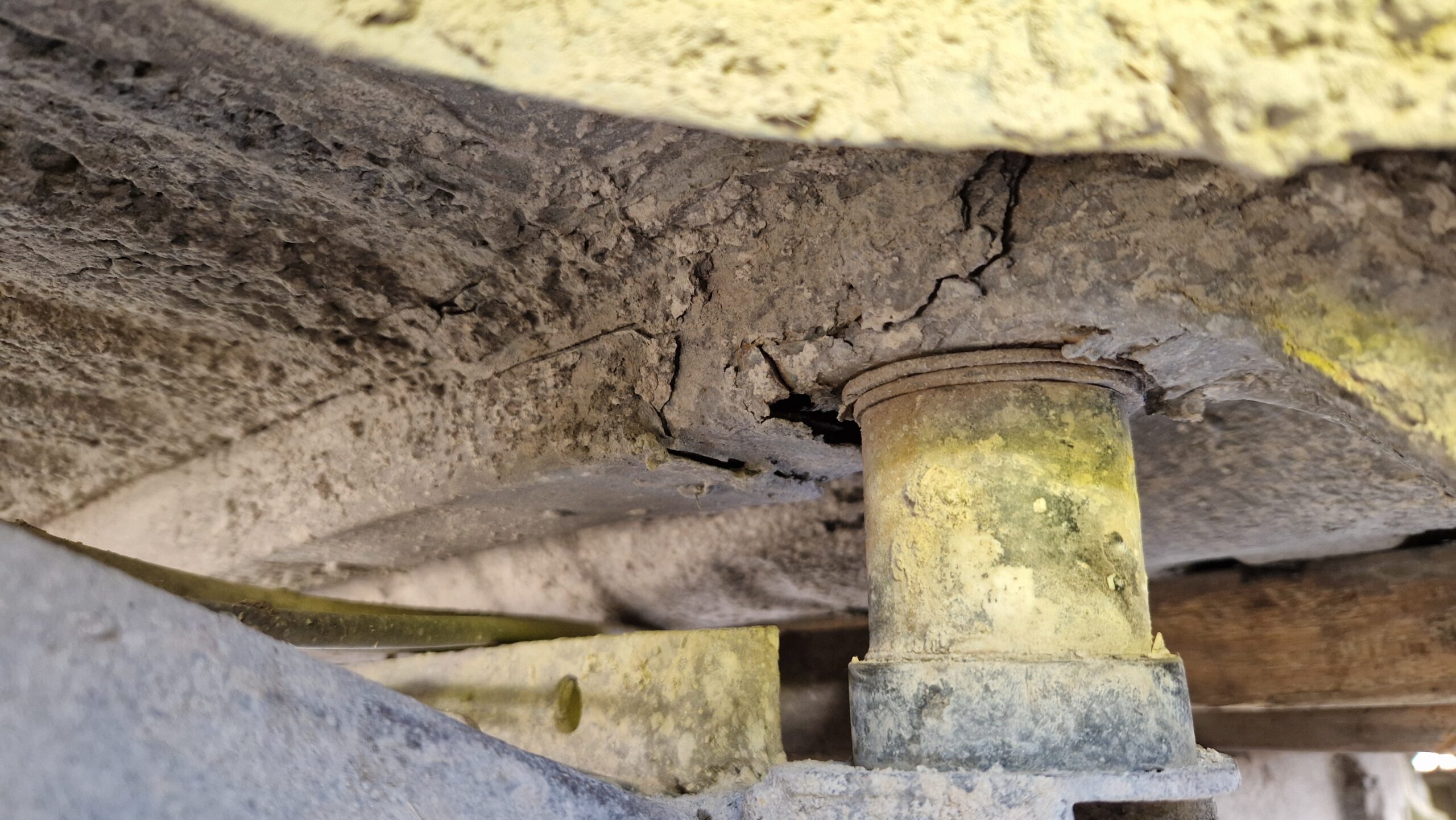
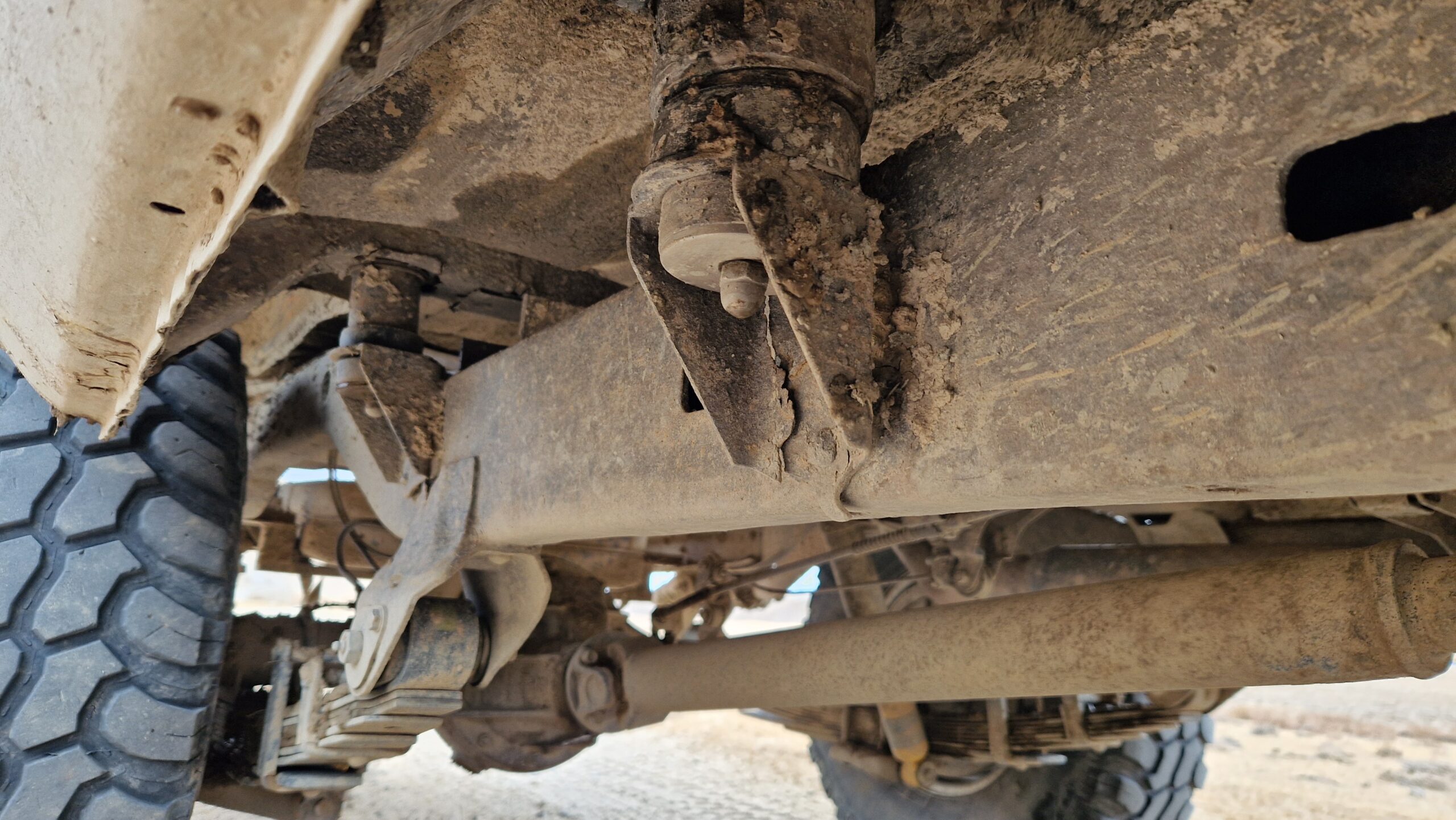
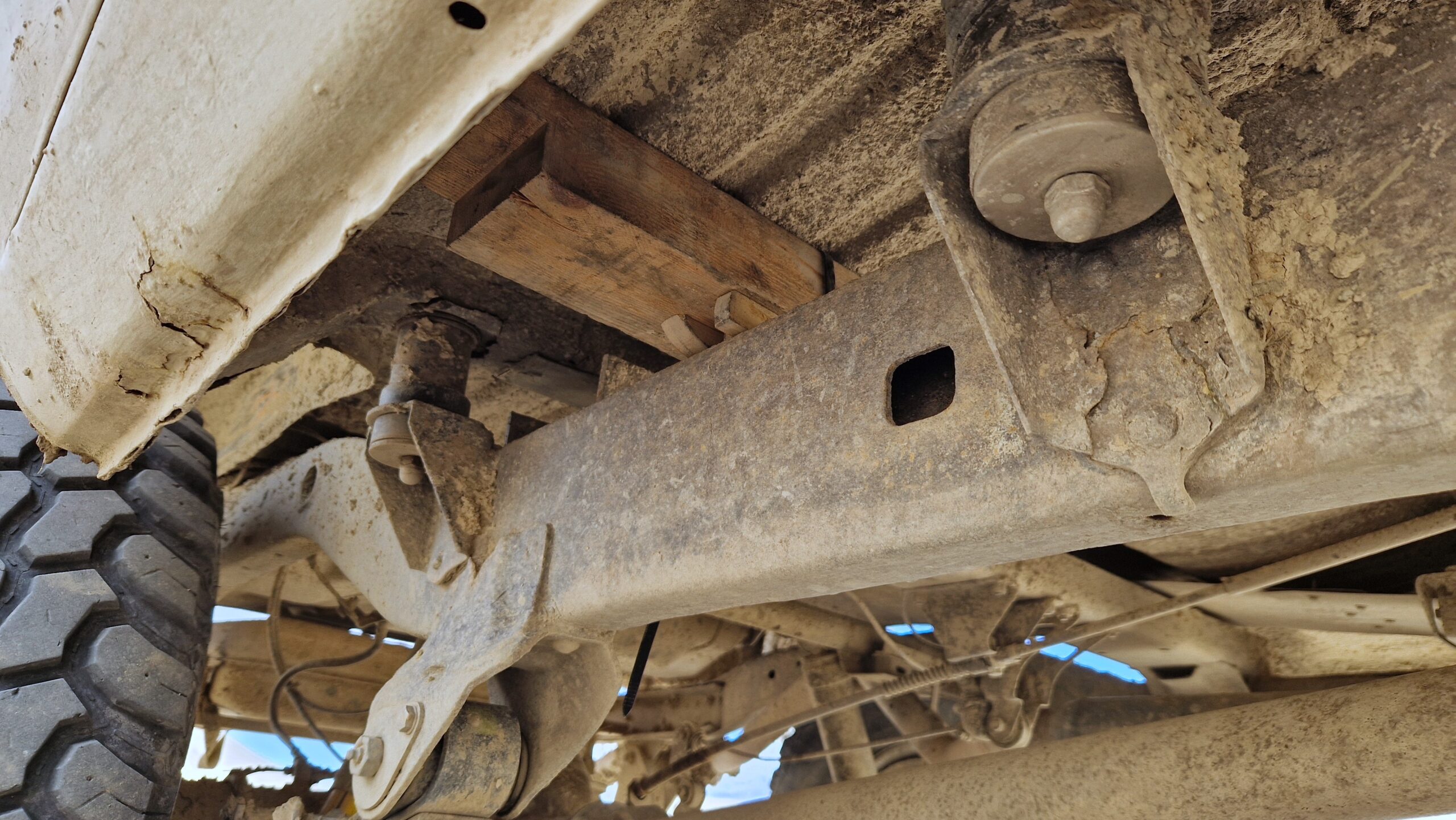
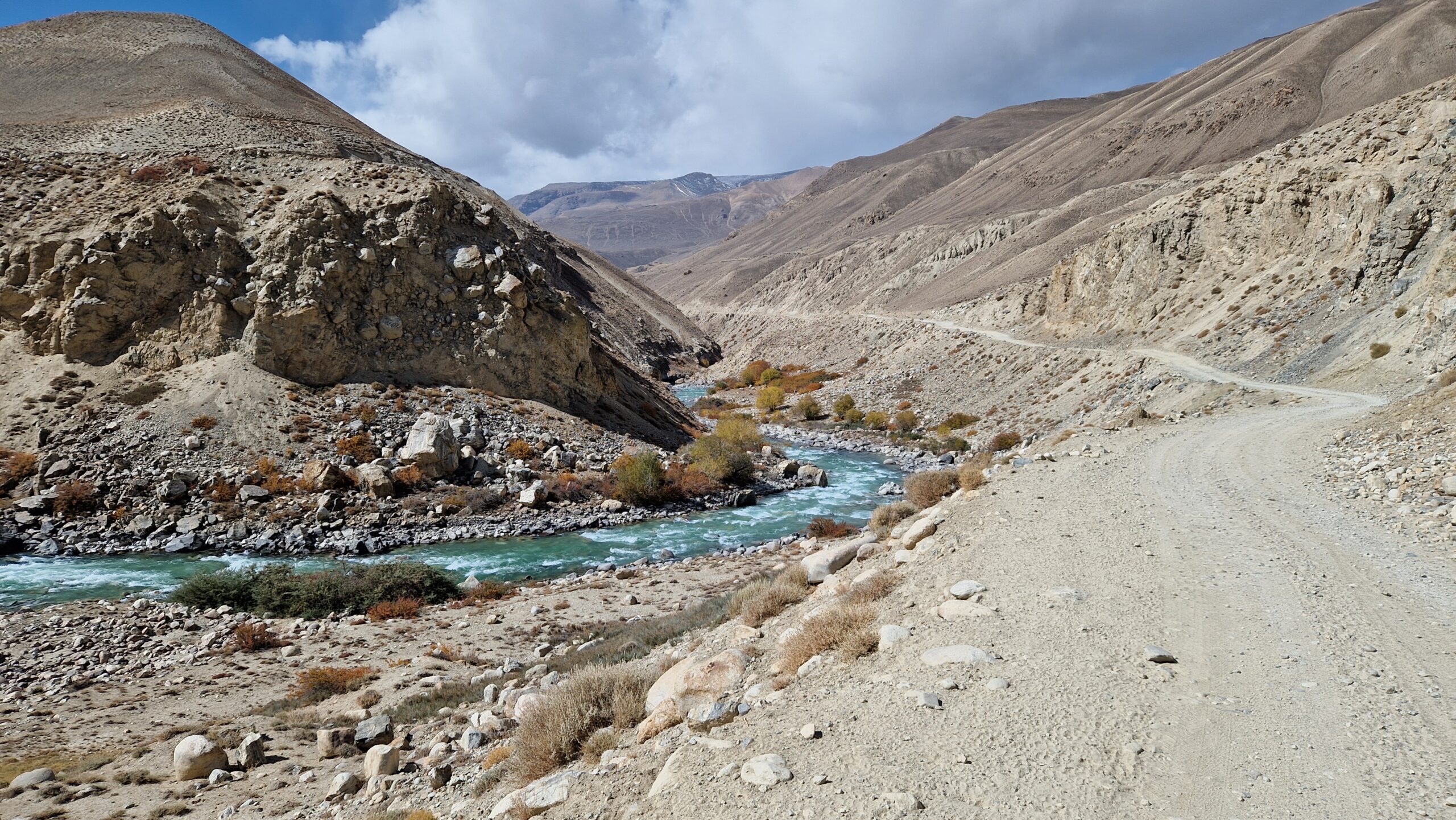
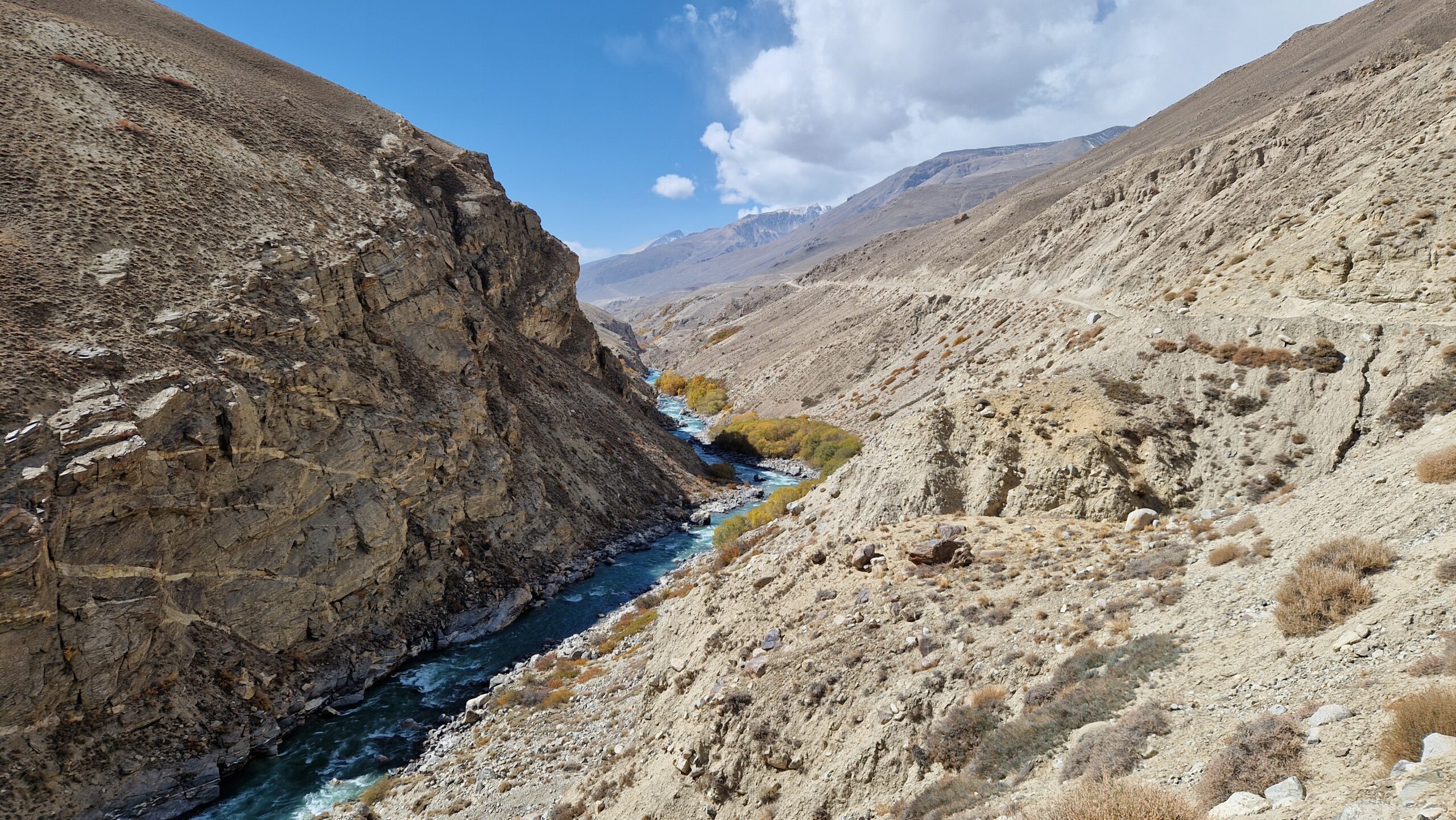
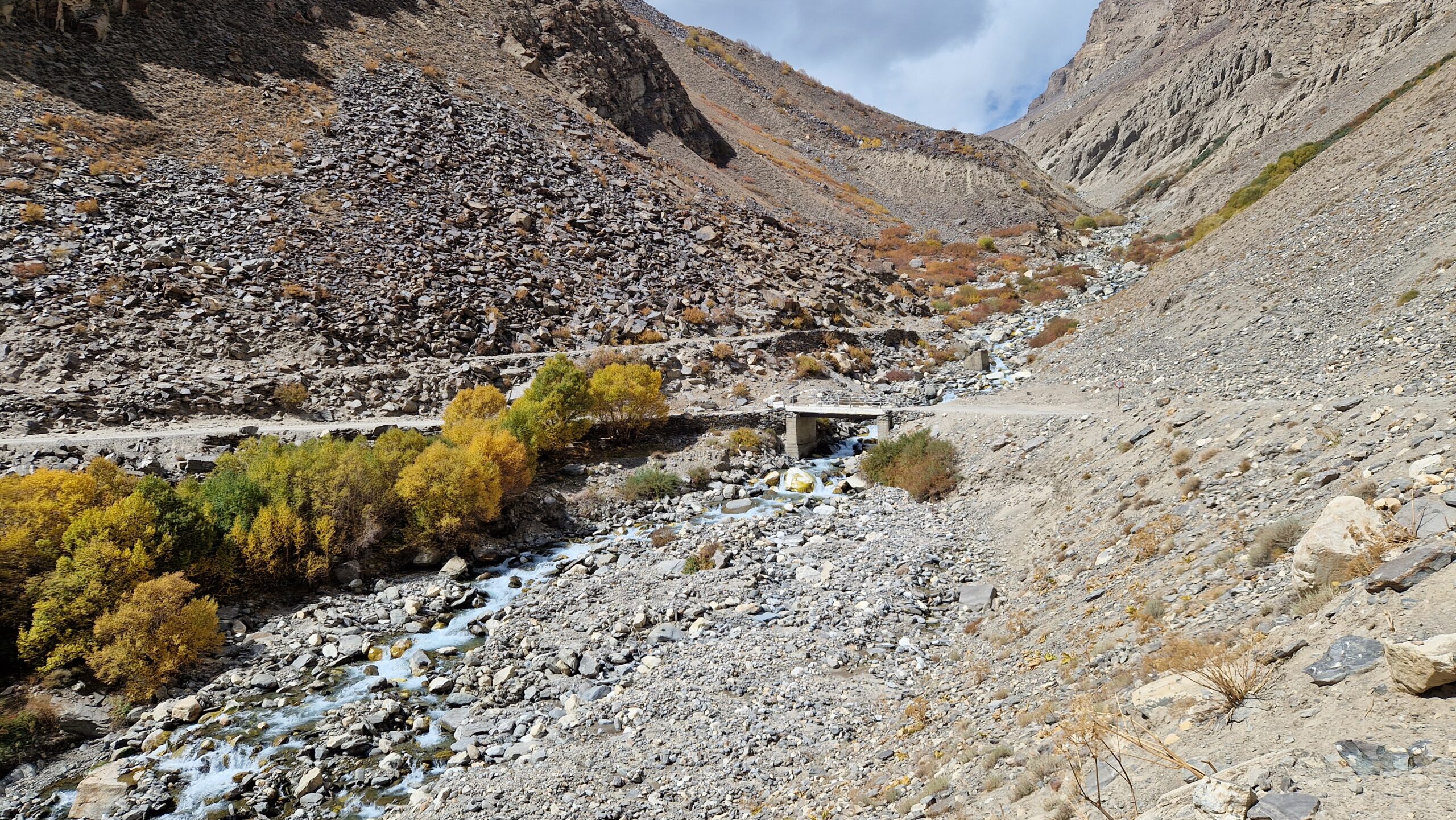
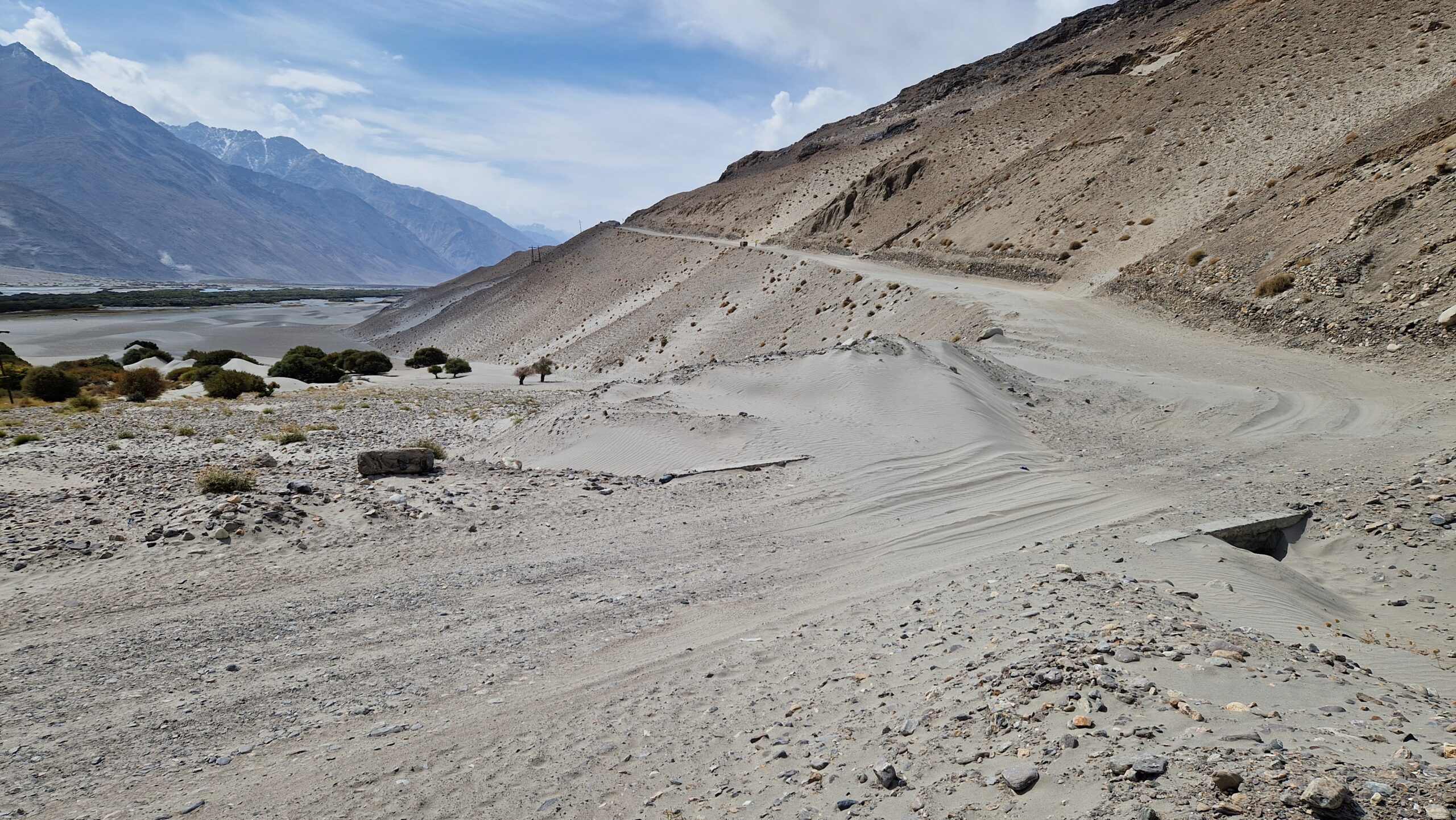
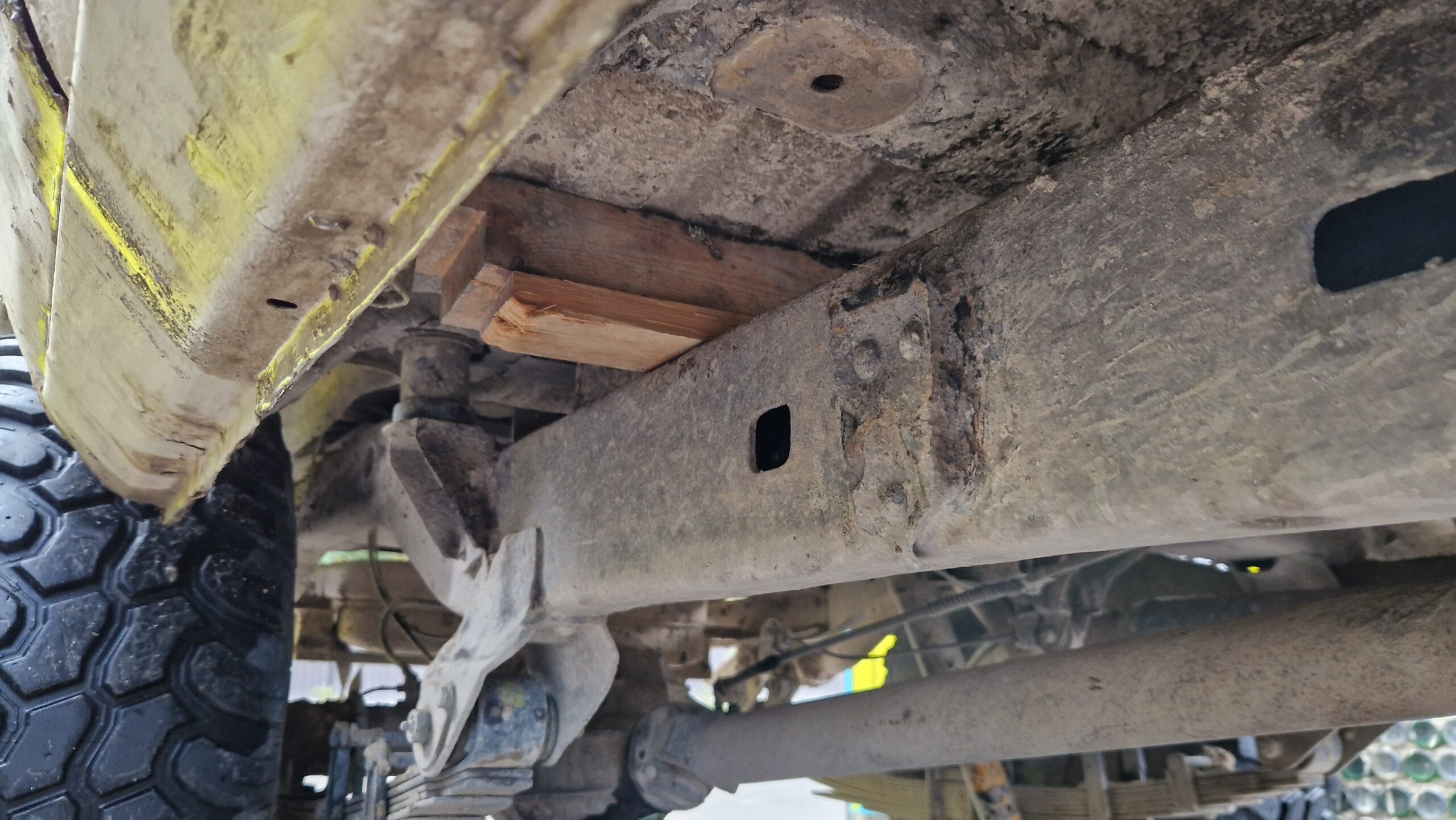
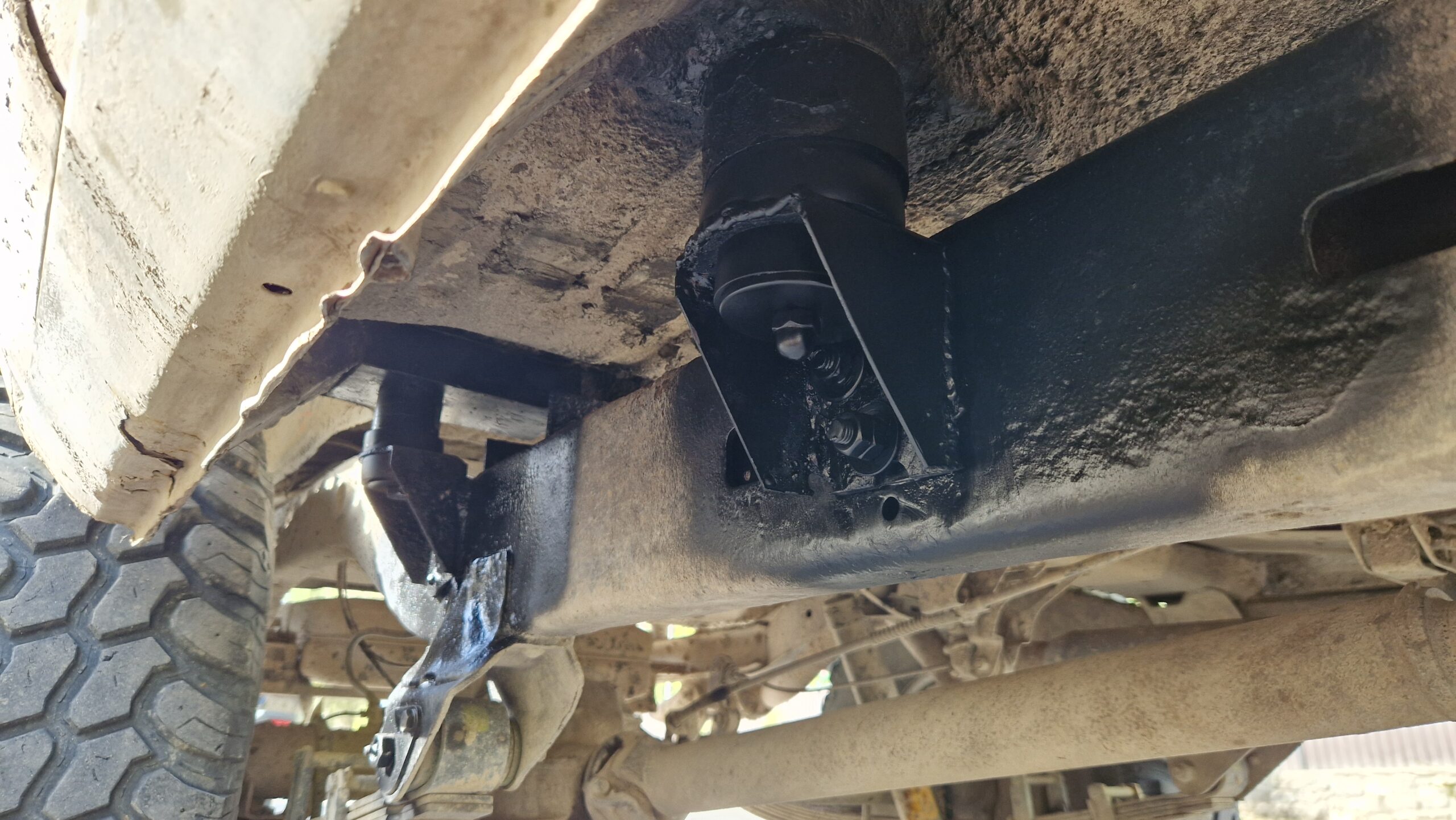
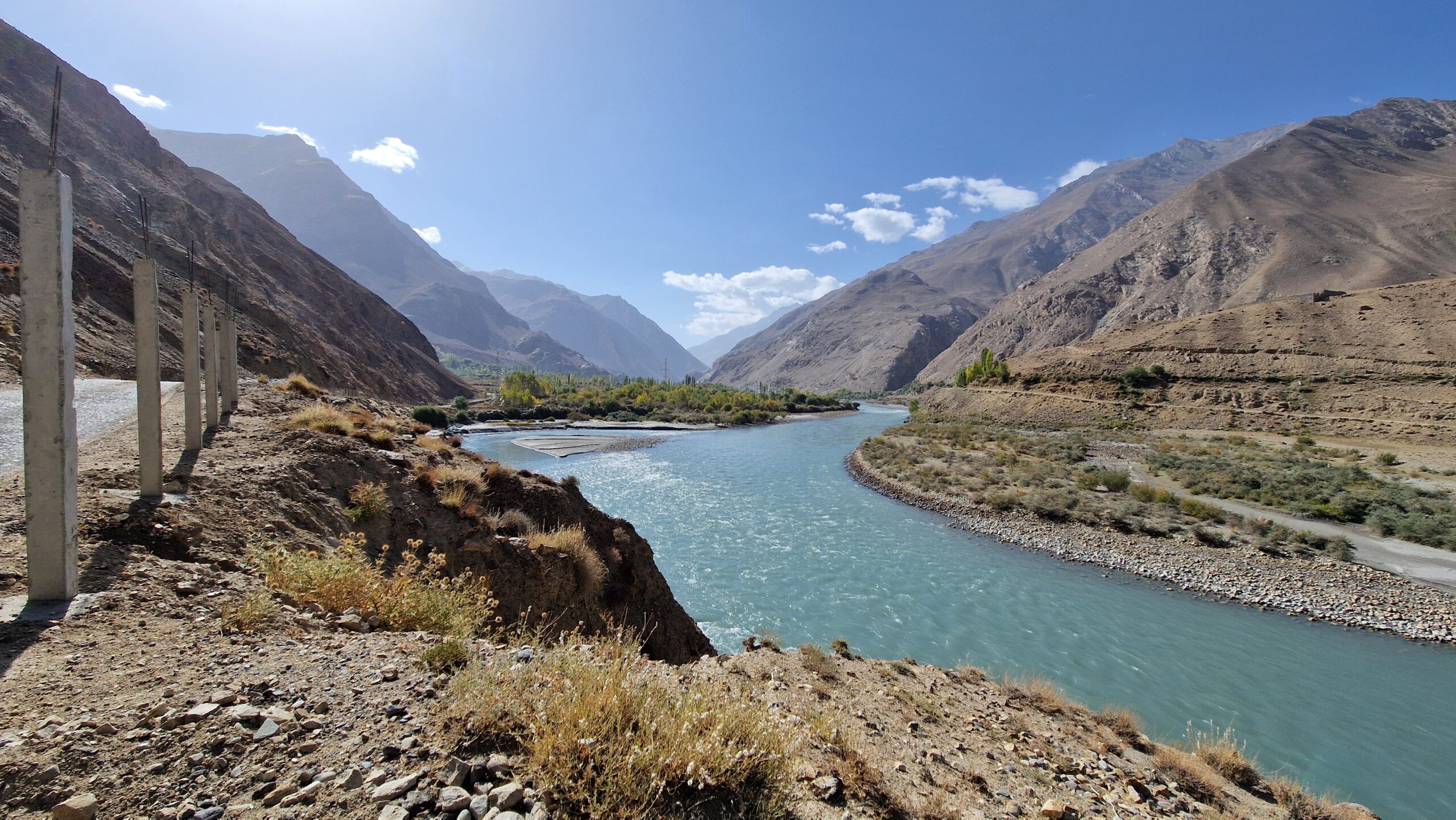
We should point out that this lake and the river it creates mark the border with Afghanistan, which is why a permit is required to drive in the area. The border may explain the poor condition of the trails. Nobody should drive there unless it is absolutely necessary. It was probably the worst track we experienced. It wasn’t even because of difficult sections, but merely because of its length of more than 100 kilometers with no improvement in condition. While driving on this bumpy track, we heard some unusual sounds coming from our car. We lost a screw from the damper. No big deal. We just unmounted it completely. Much bigger issues were the two broken connections between the frame and the cabin of our car. To make matters worse, we lost another bolt from a third connection point. Although these connections had been broken for some time, we could not continue without stabilizing them with parts of our cutting board. Finally, we got out of the nature reserve at very low speed.
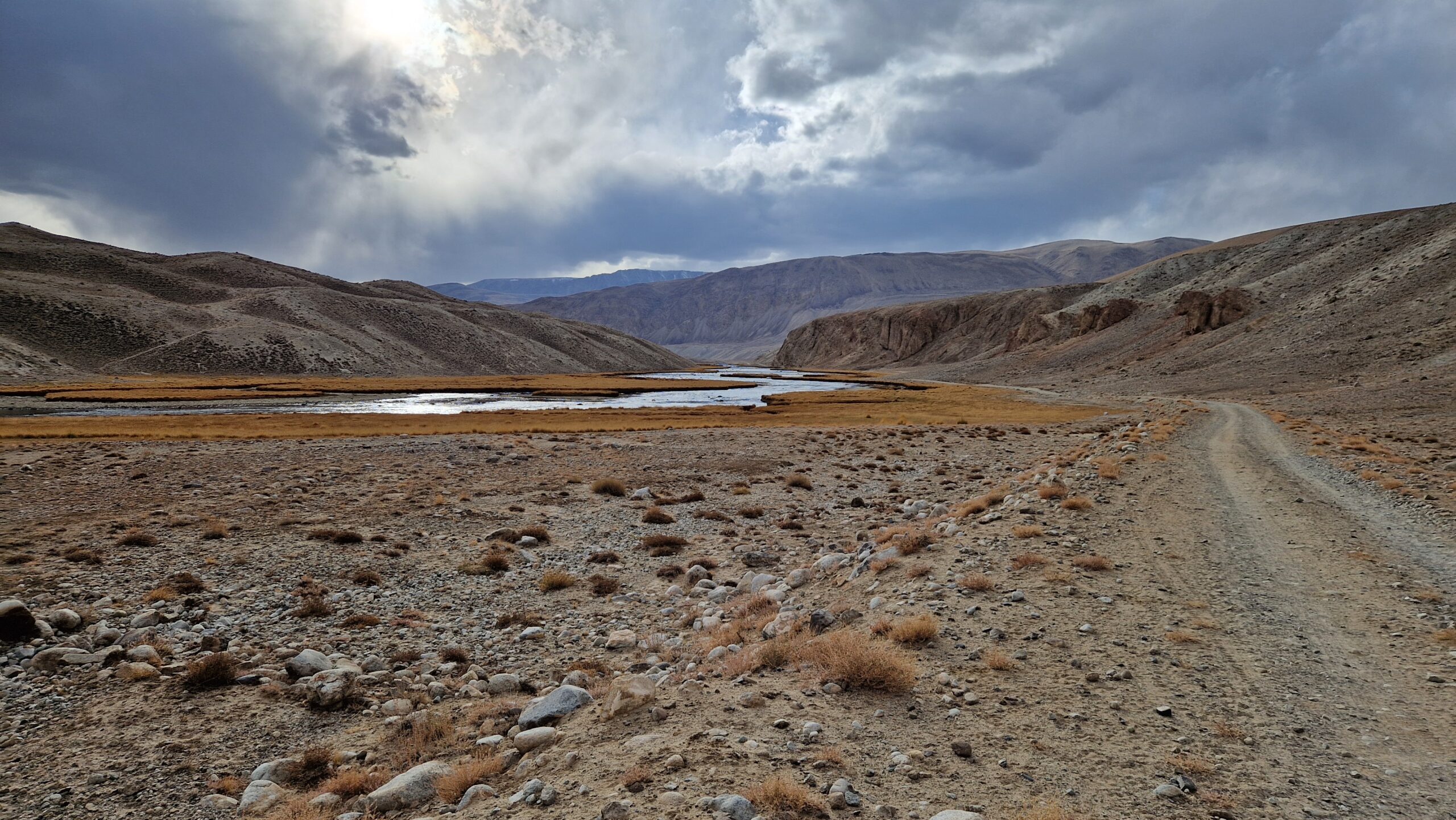
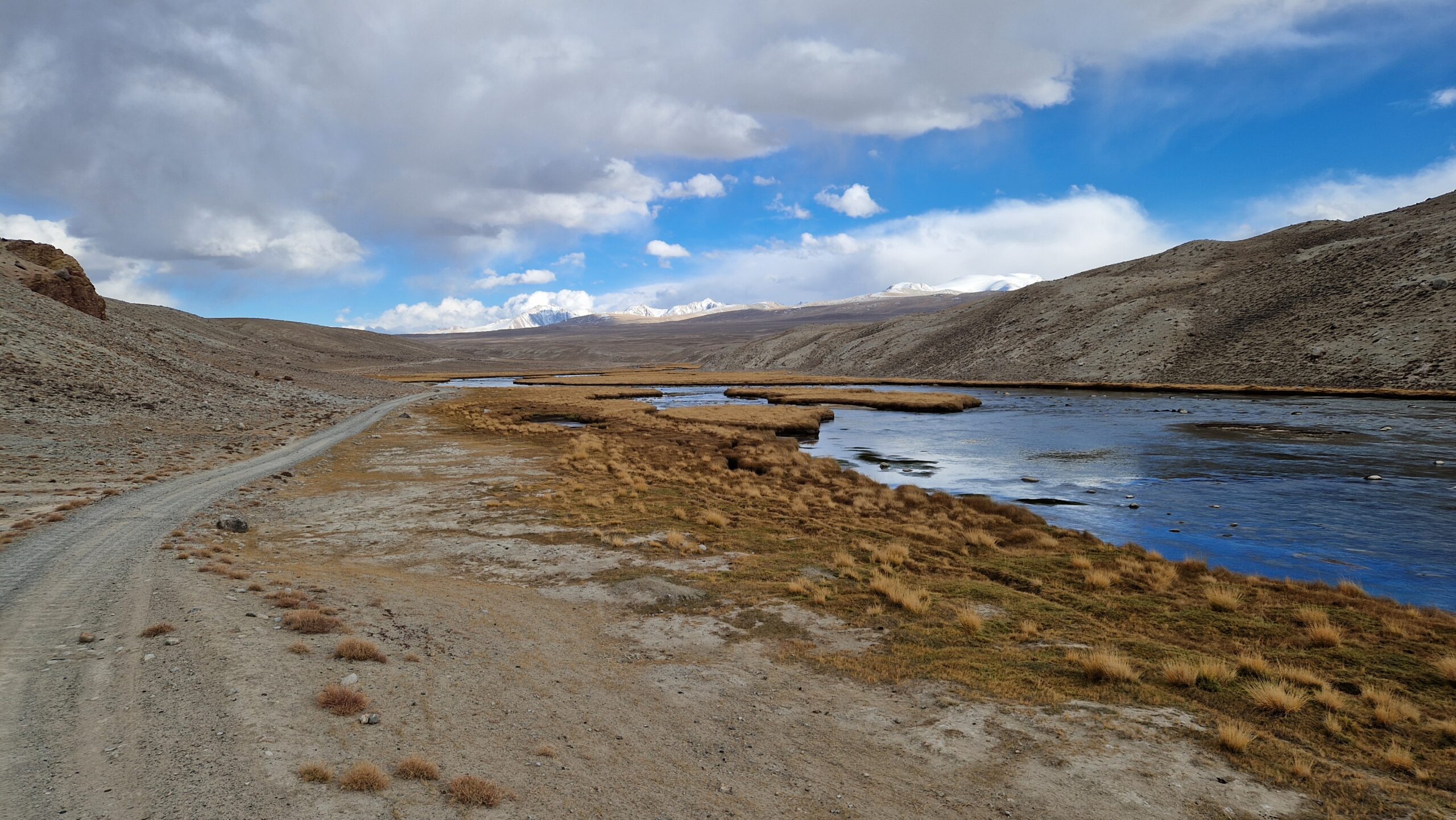
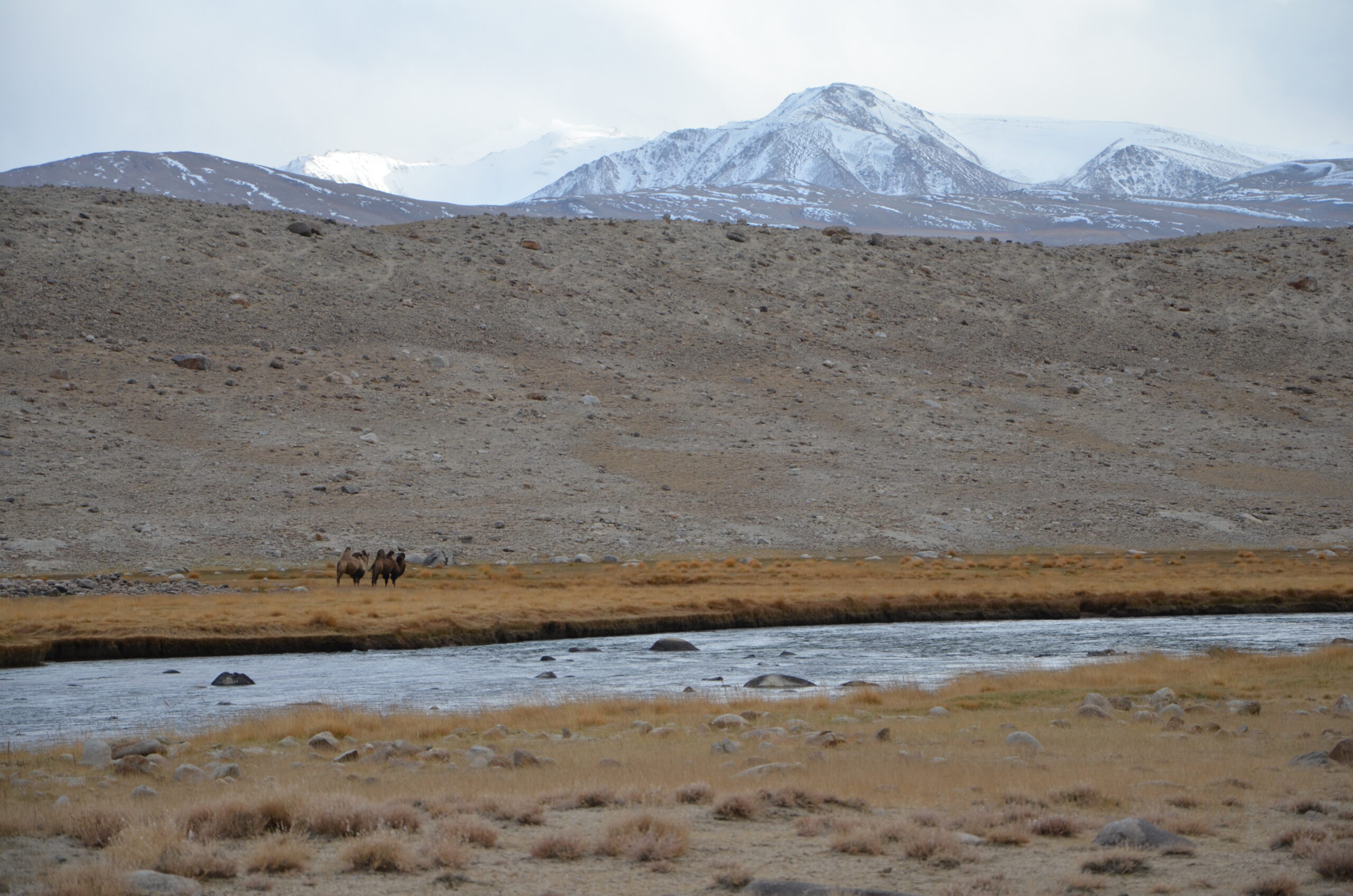
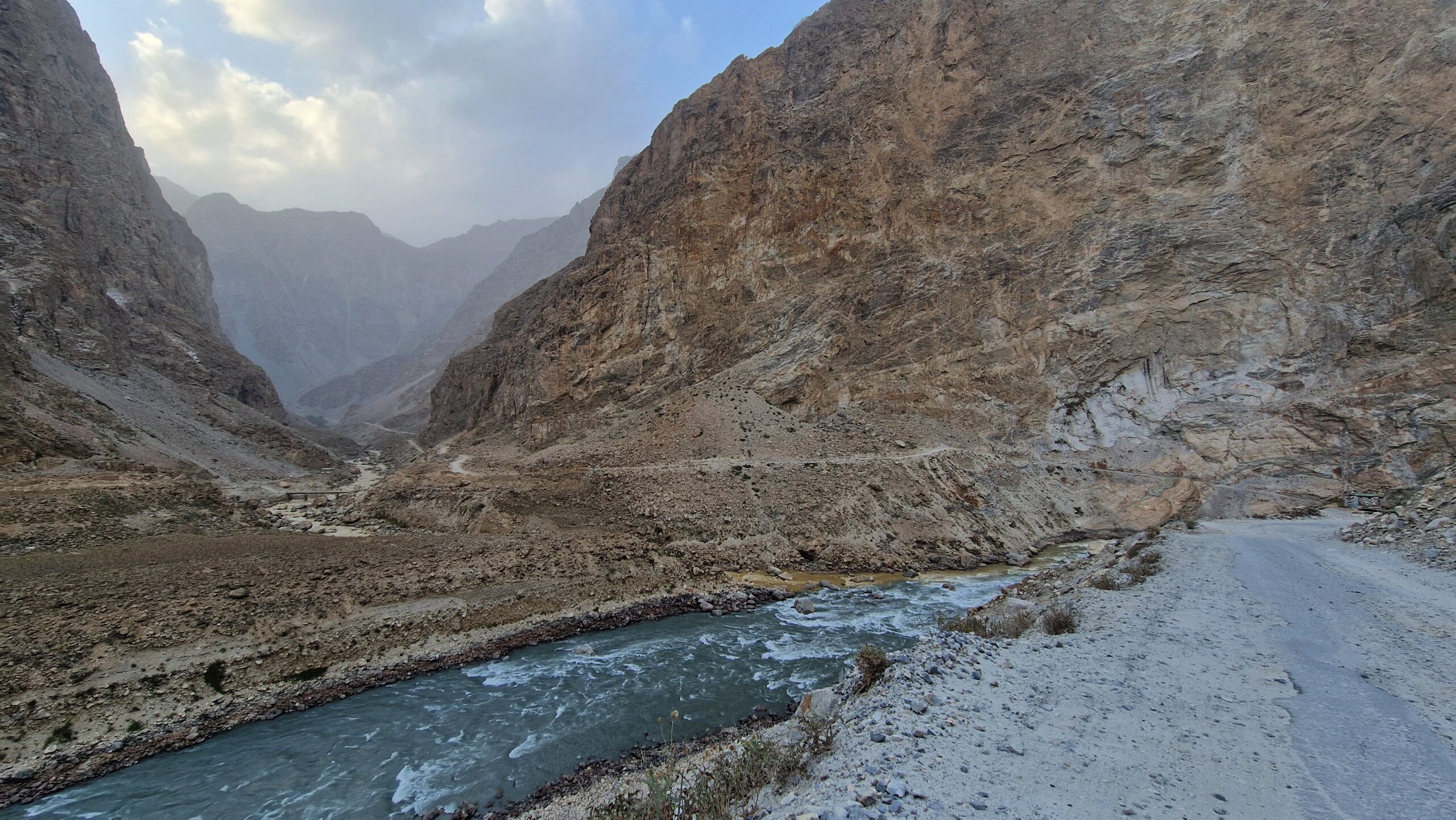
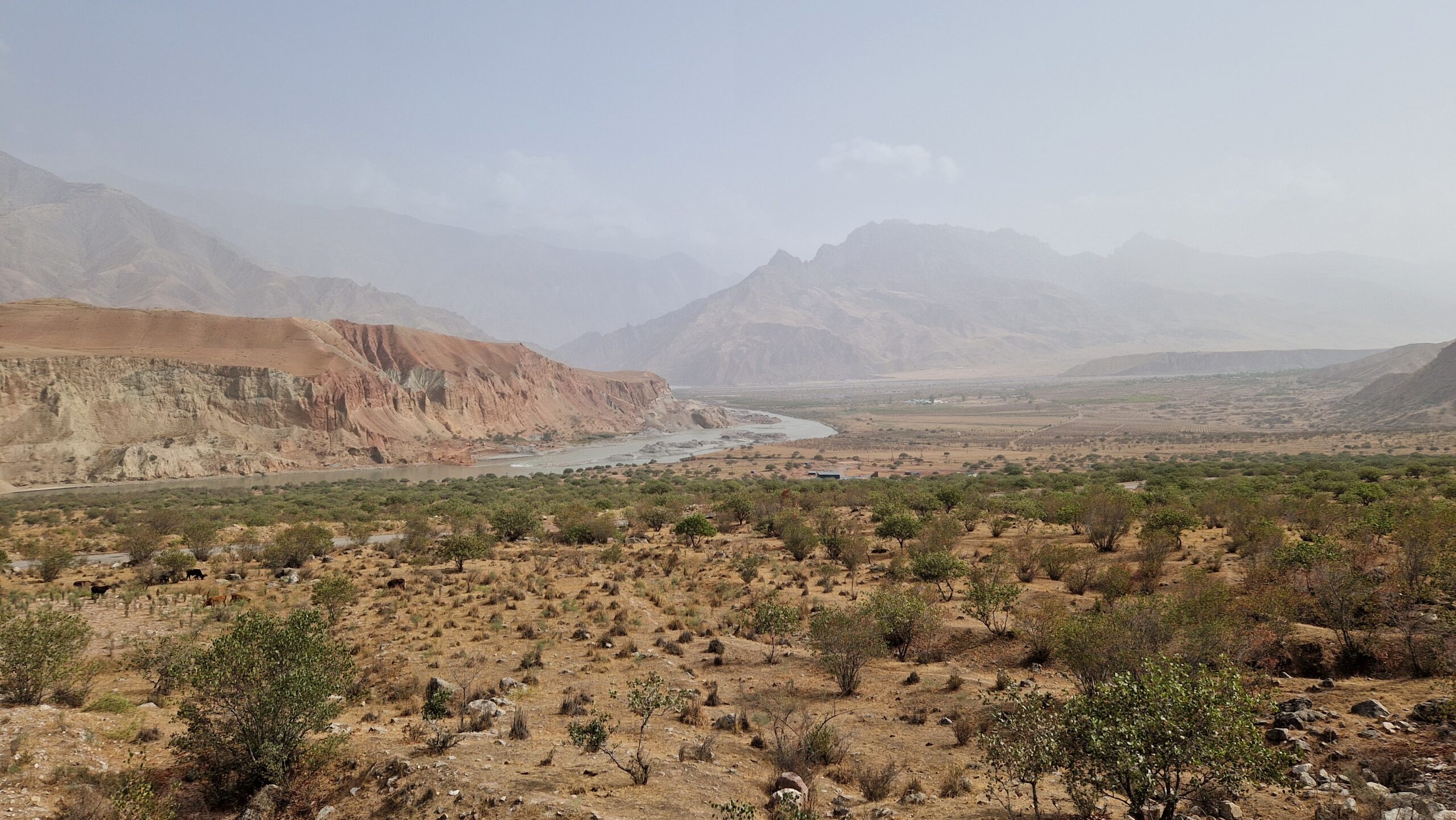
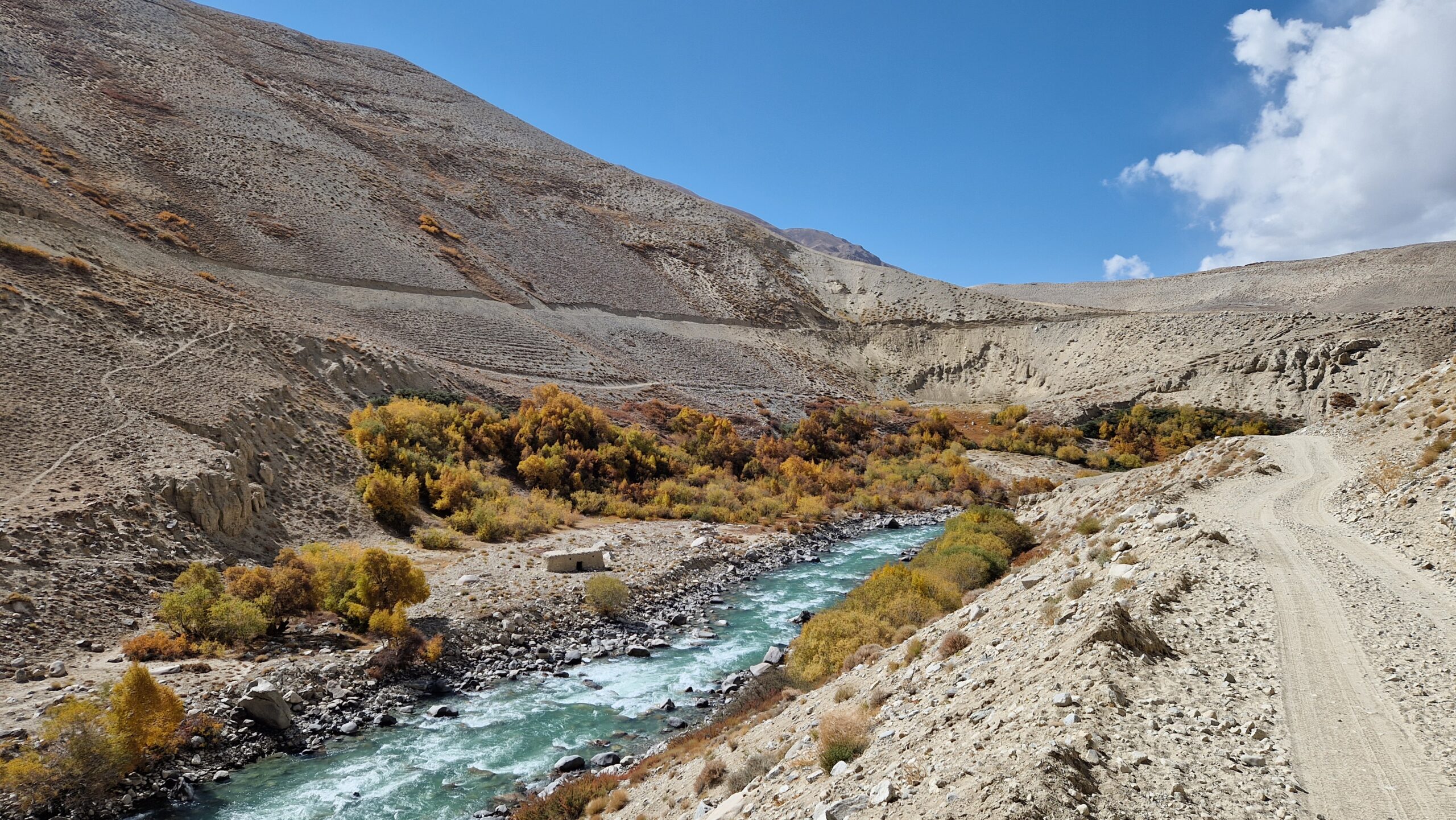
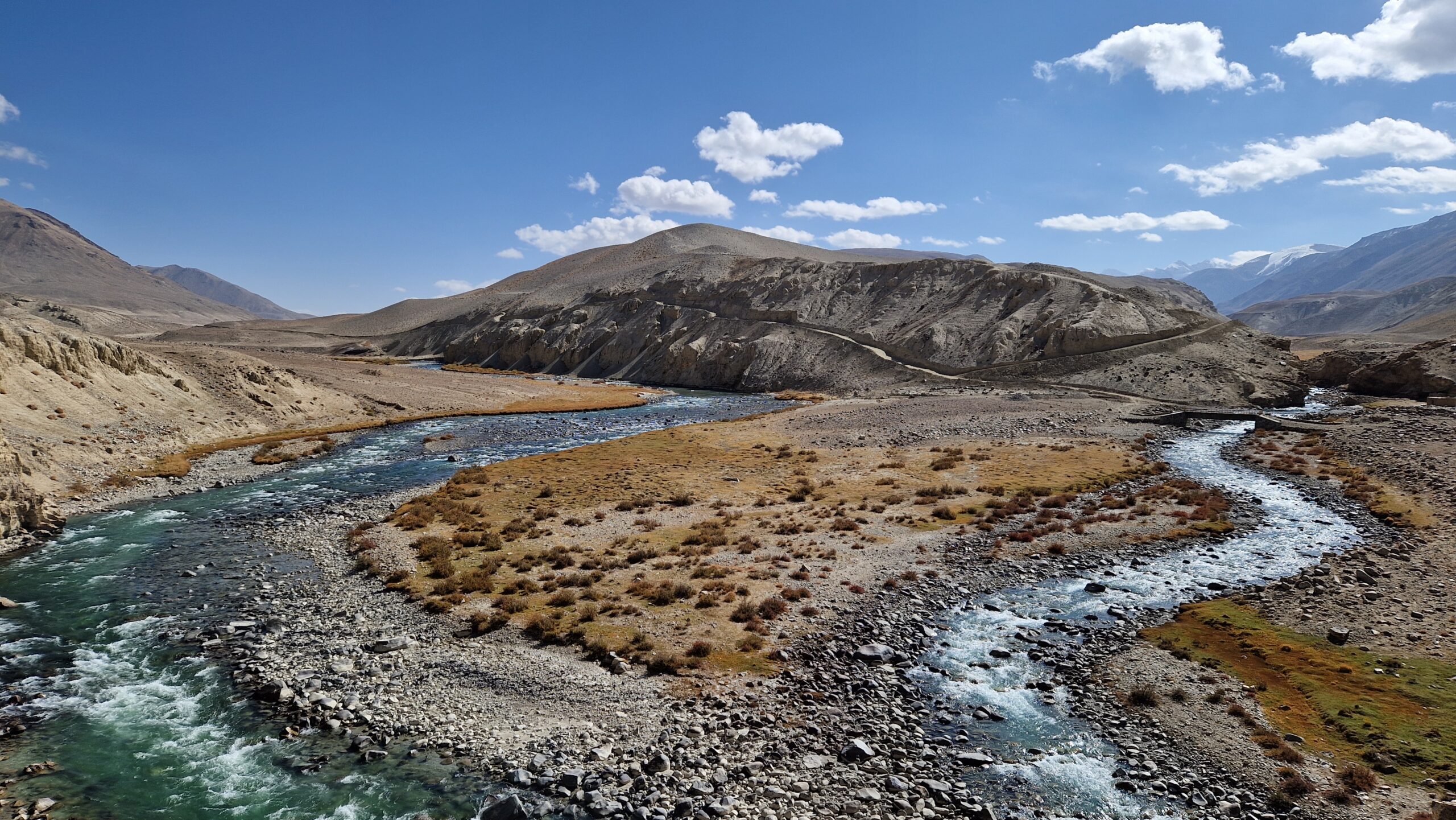
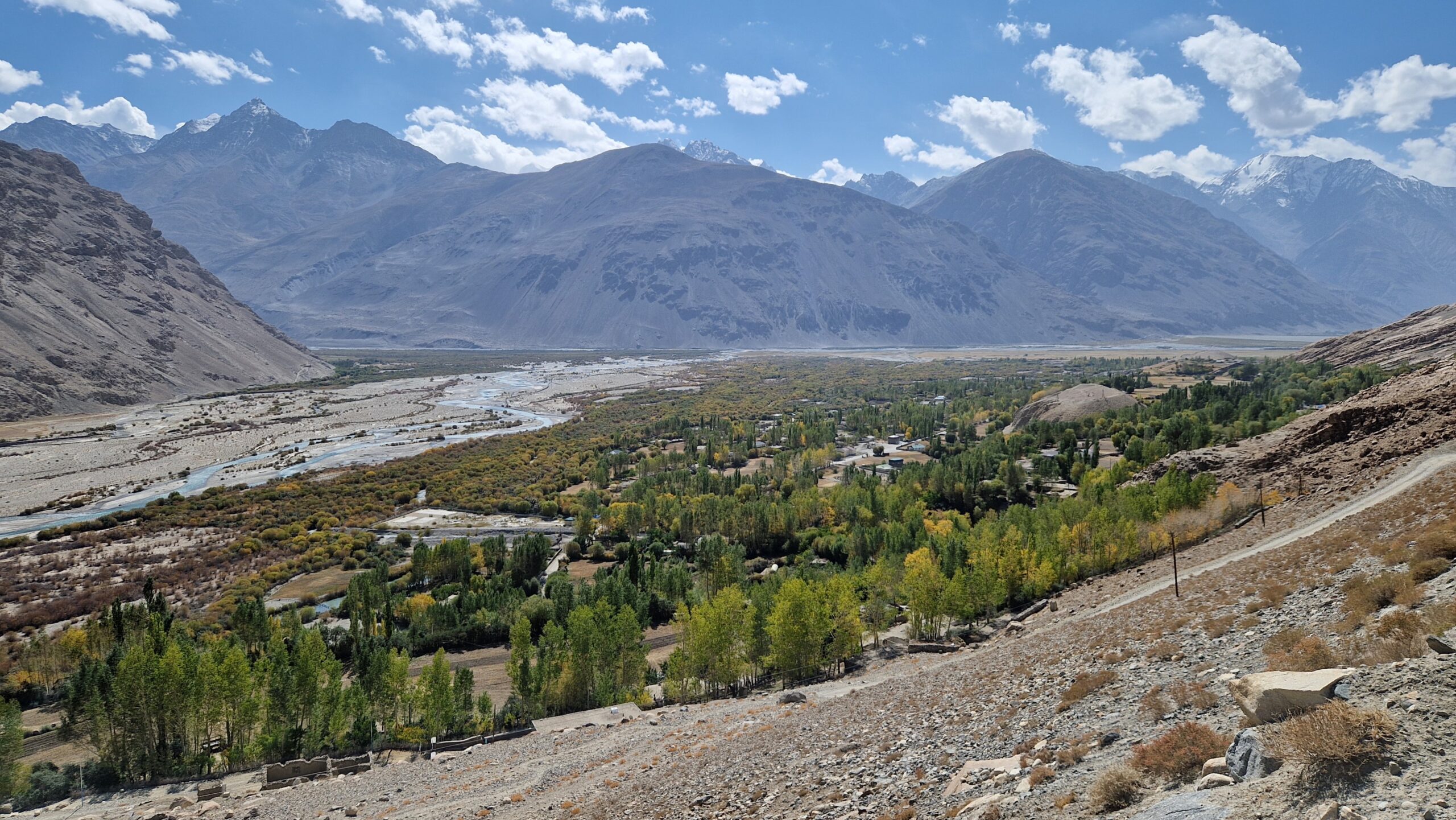
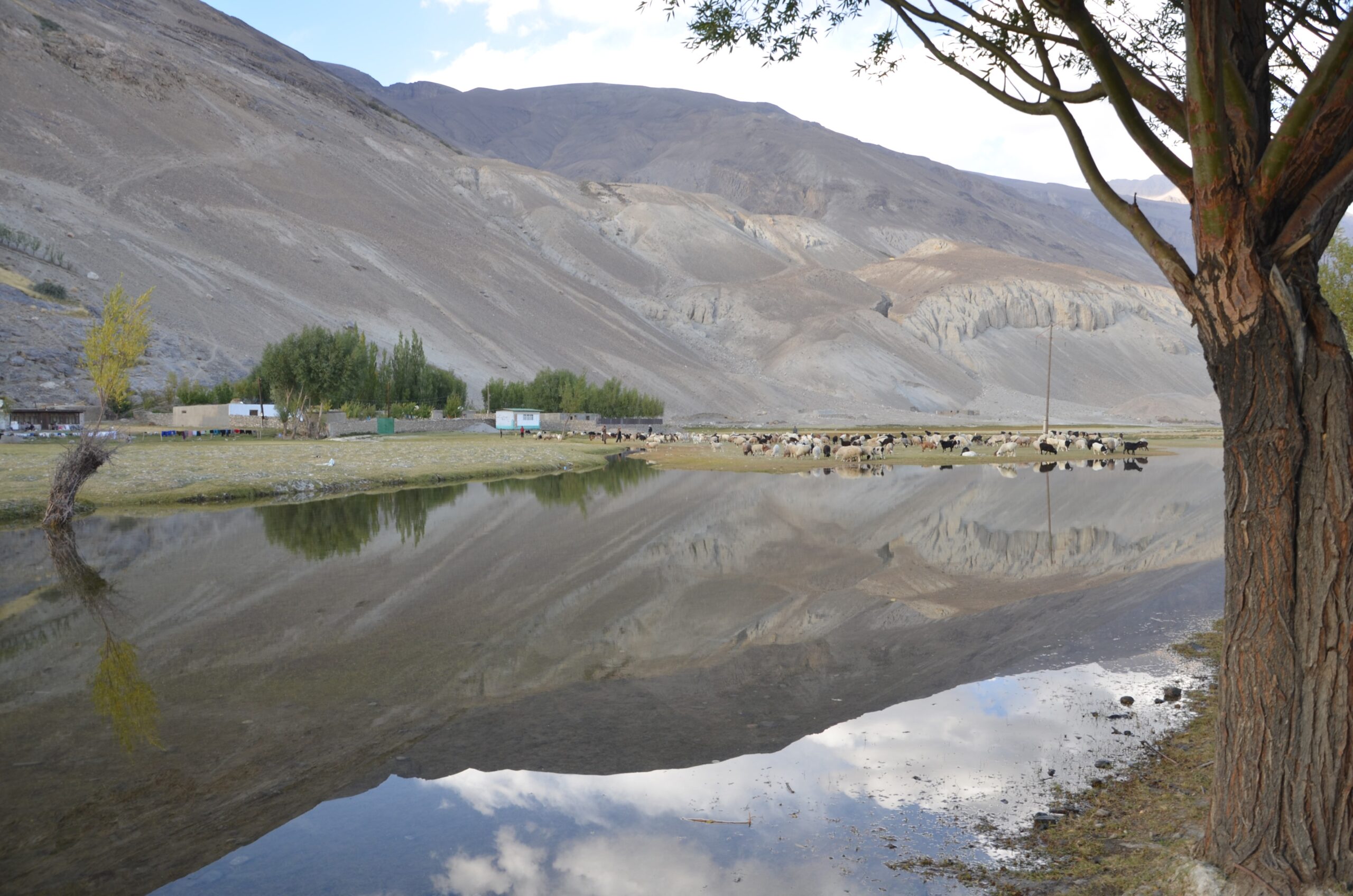
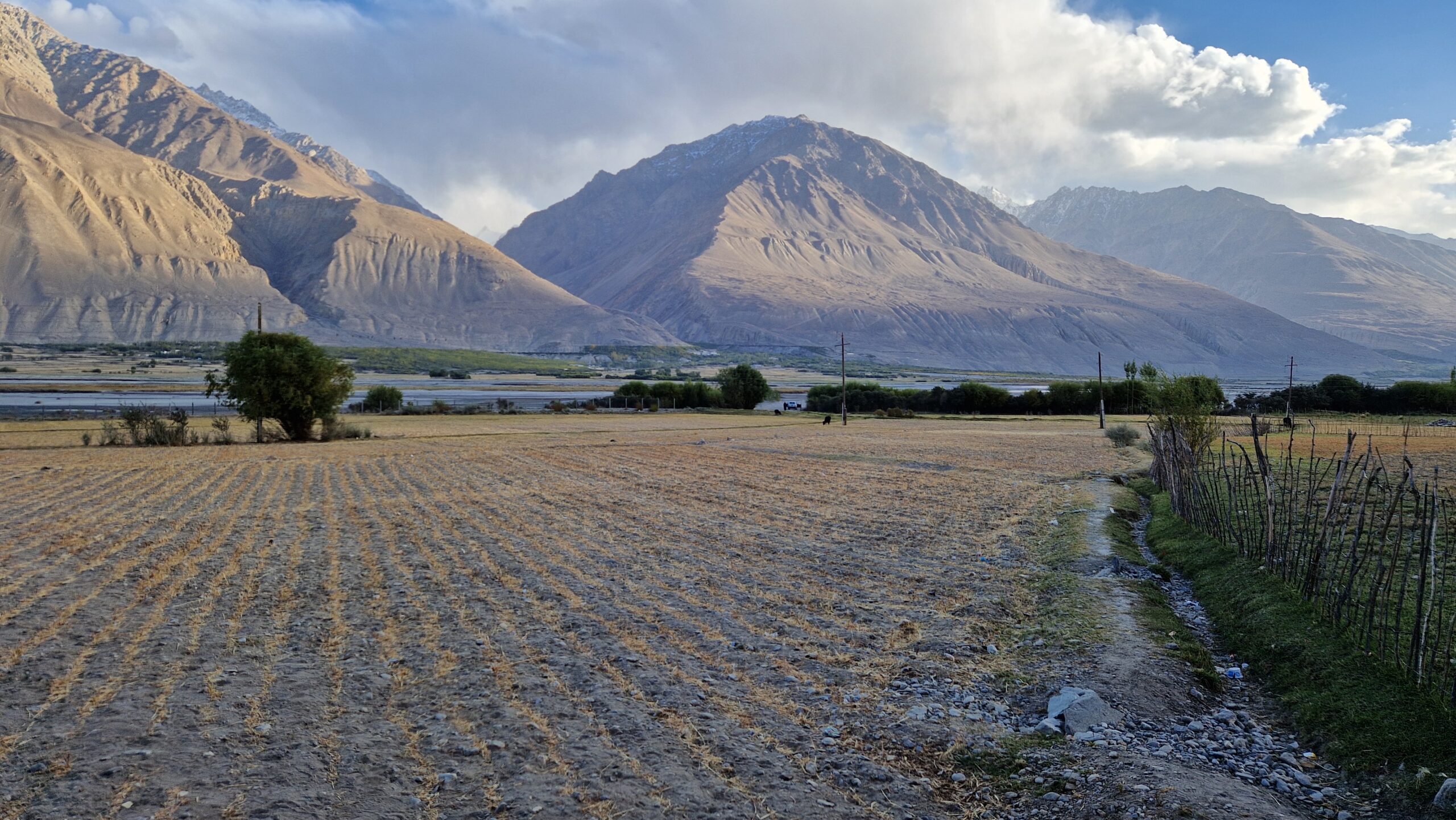
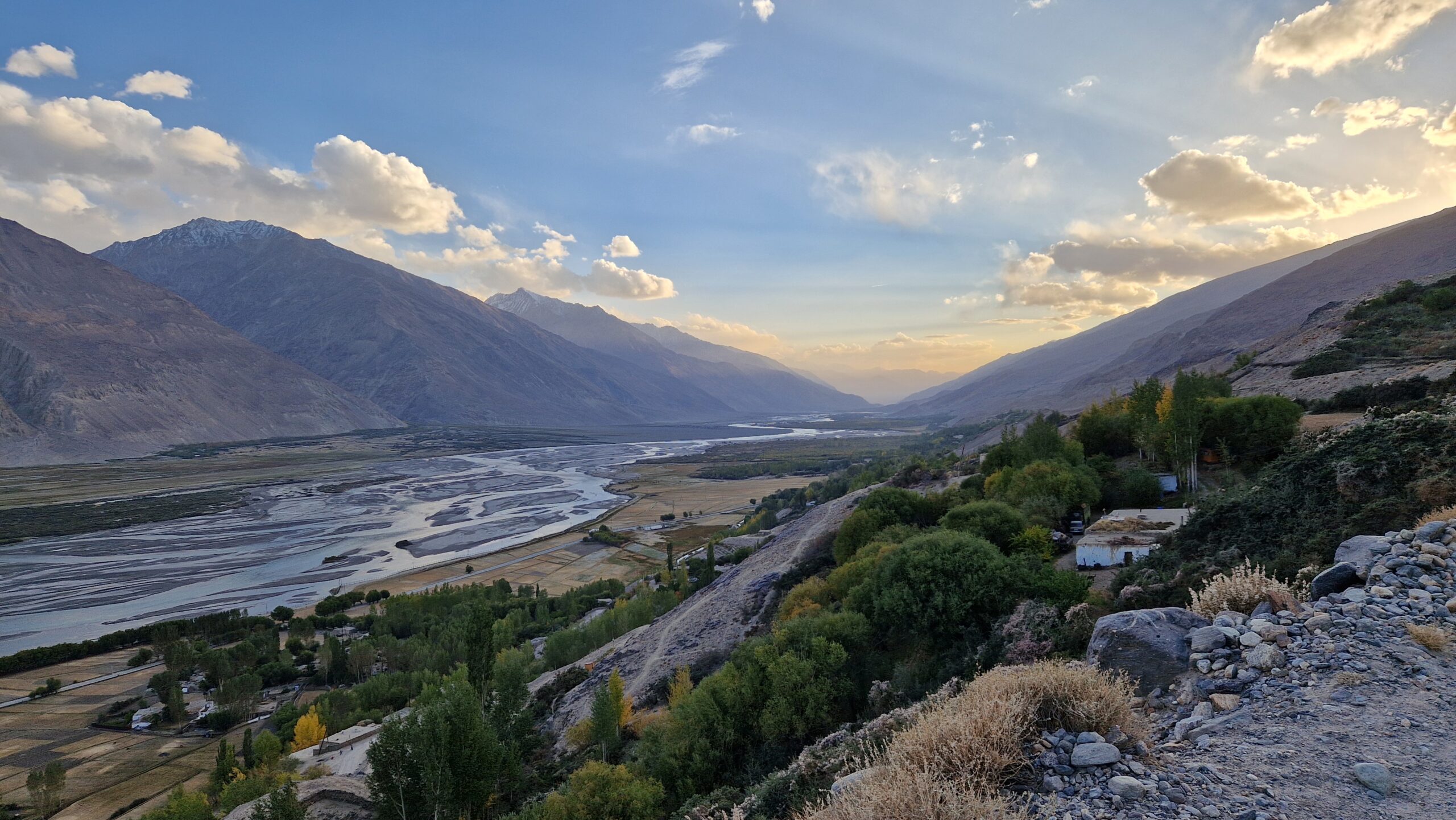
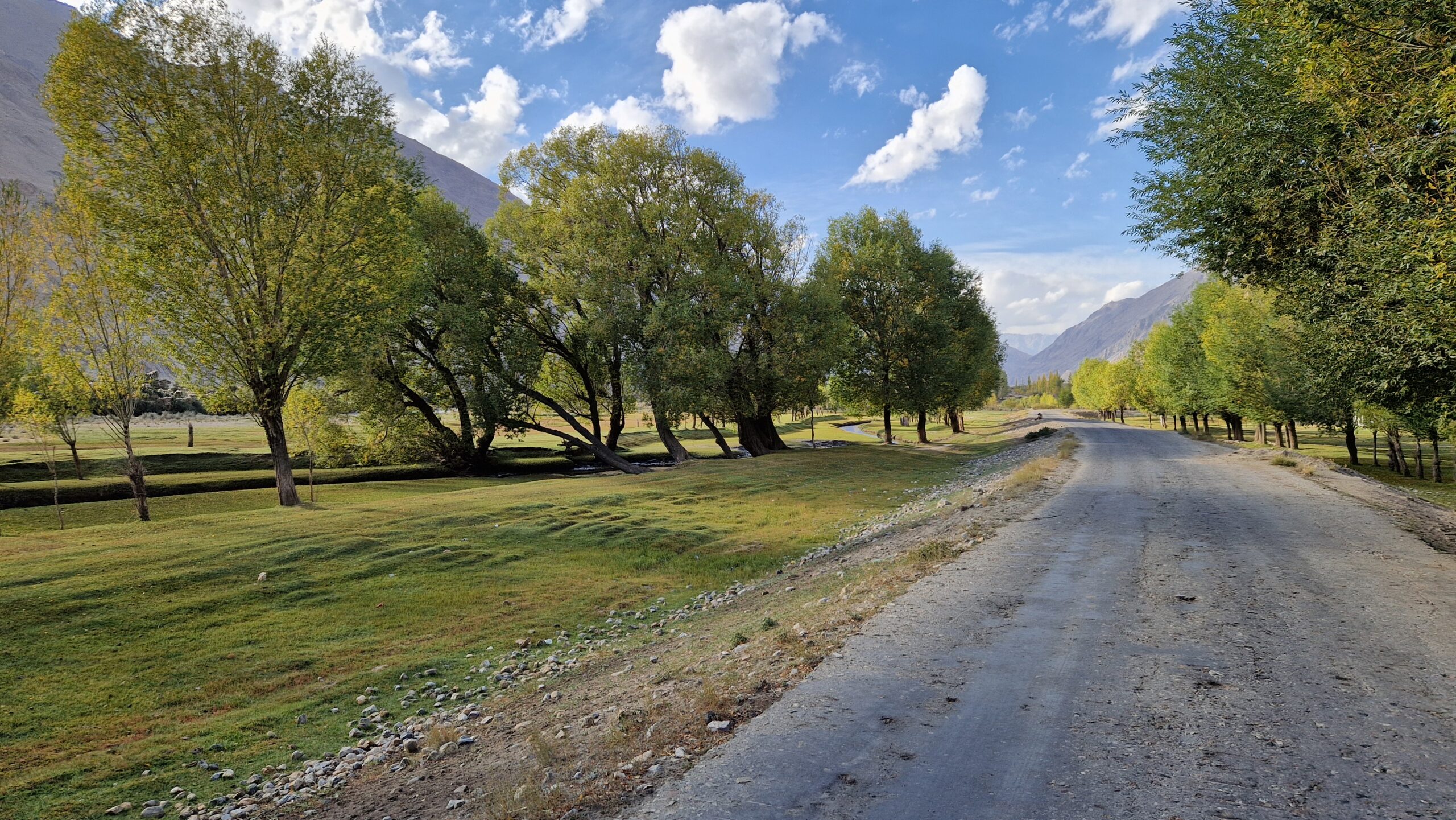
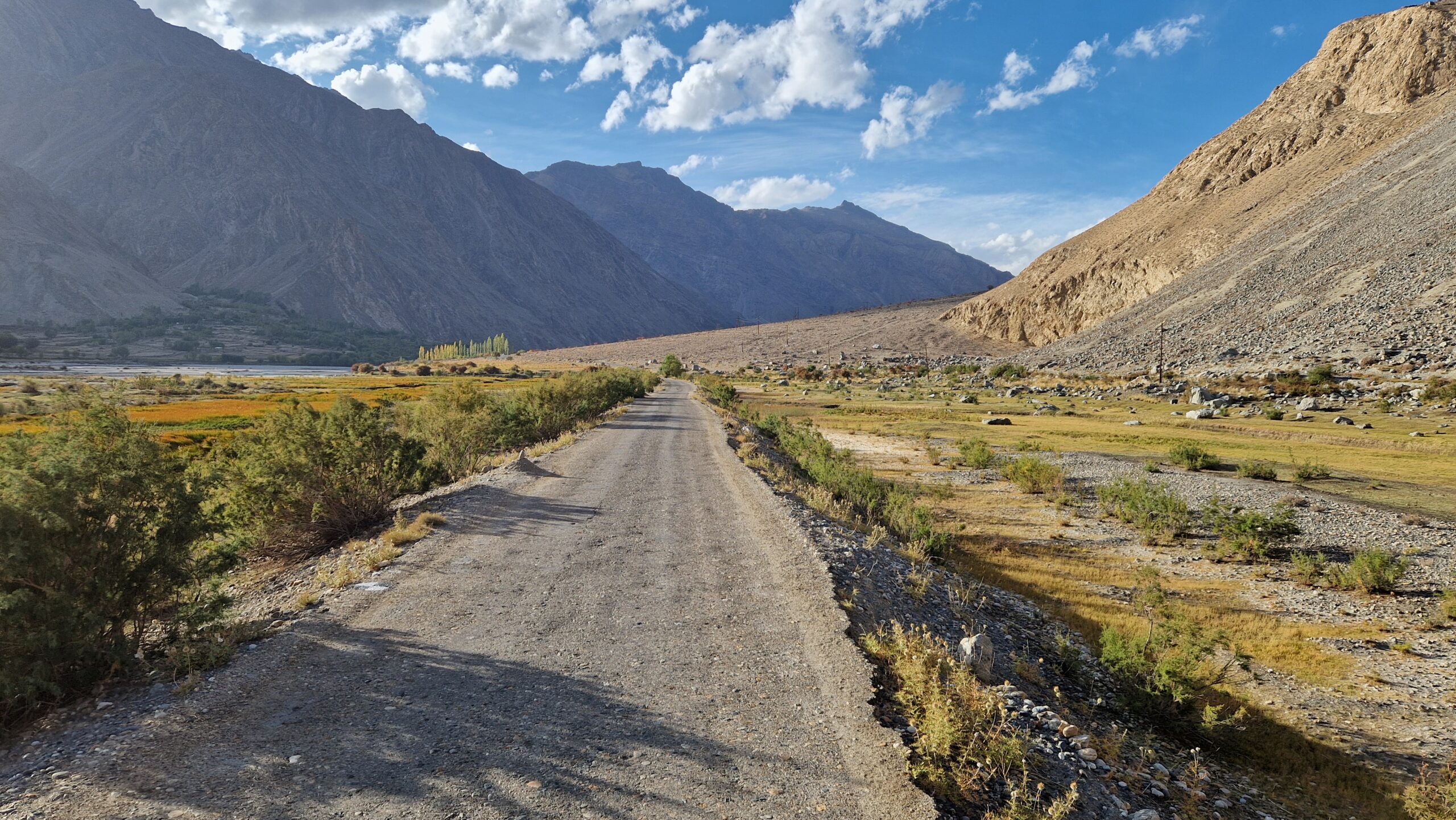
We followed the river and enjoyed nice views of Afghanistan on the opposite side. After one day of driving only 100 km, we were back in civilization.
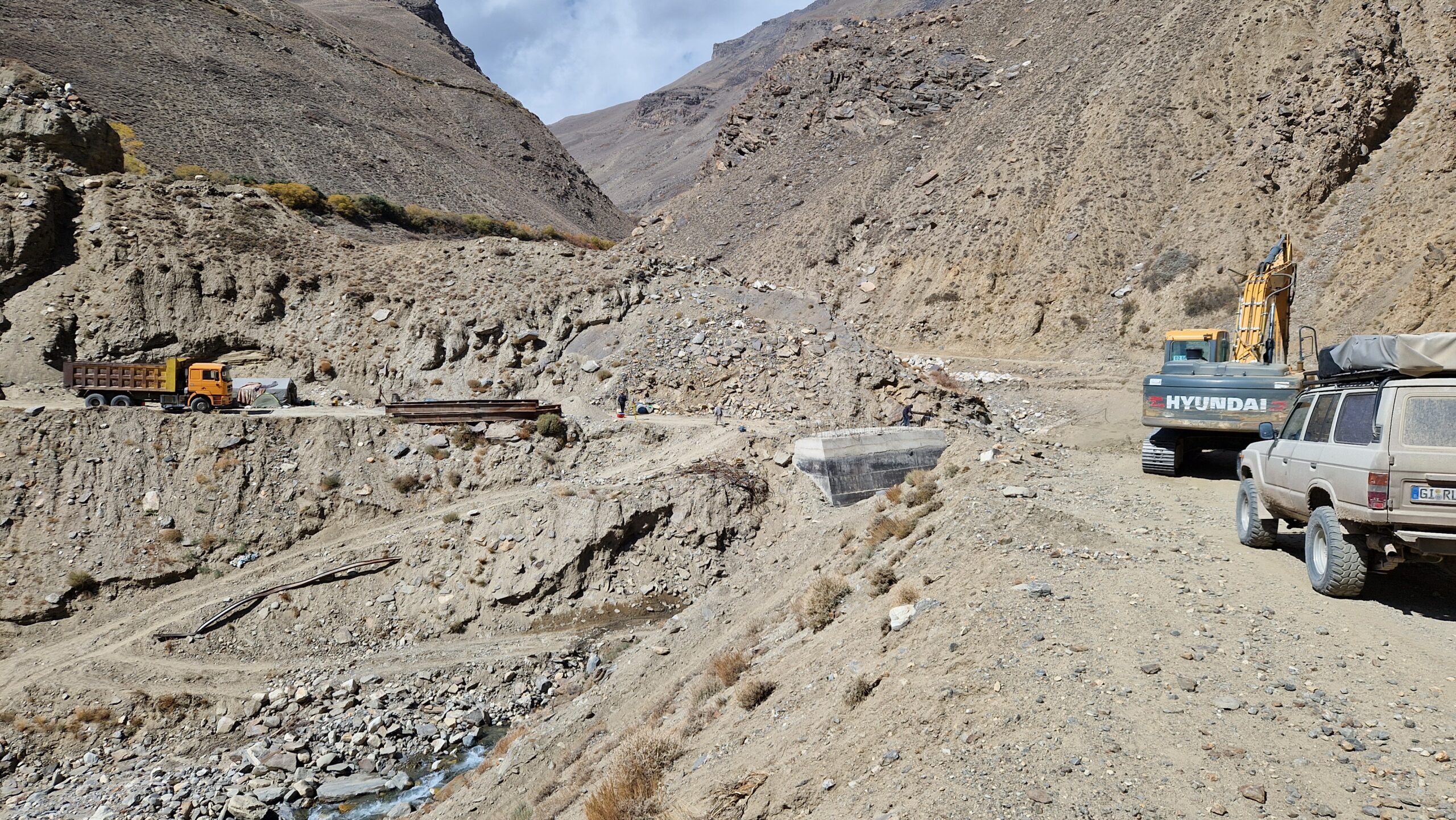

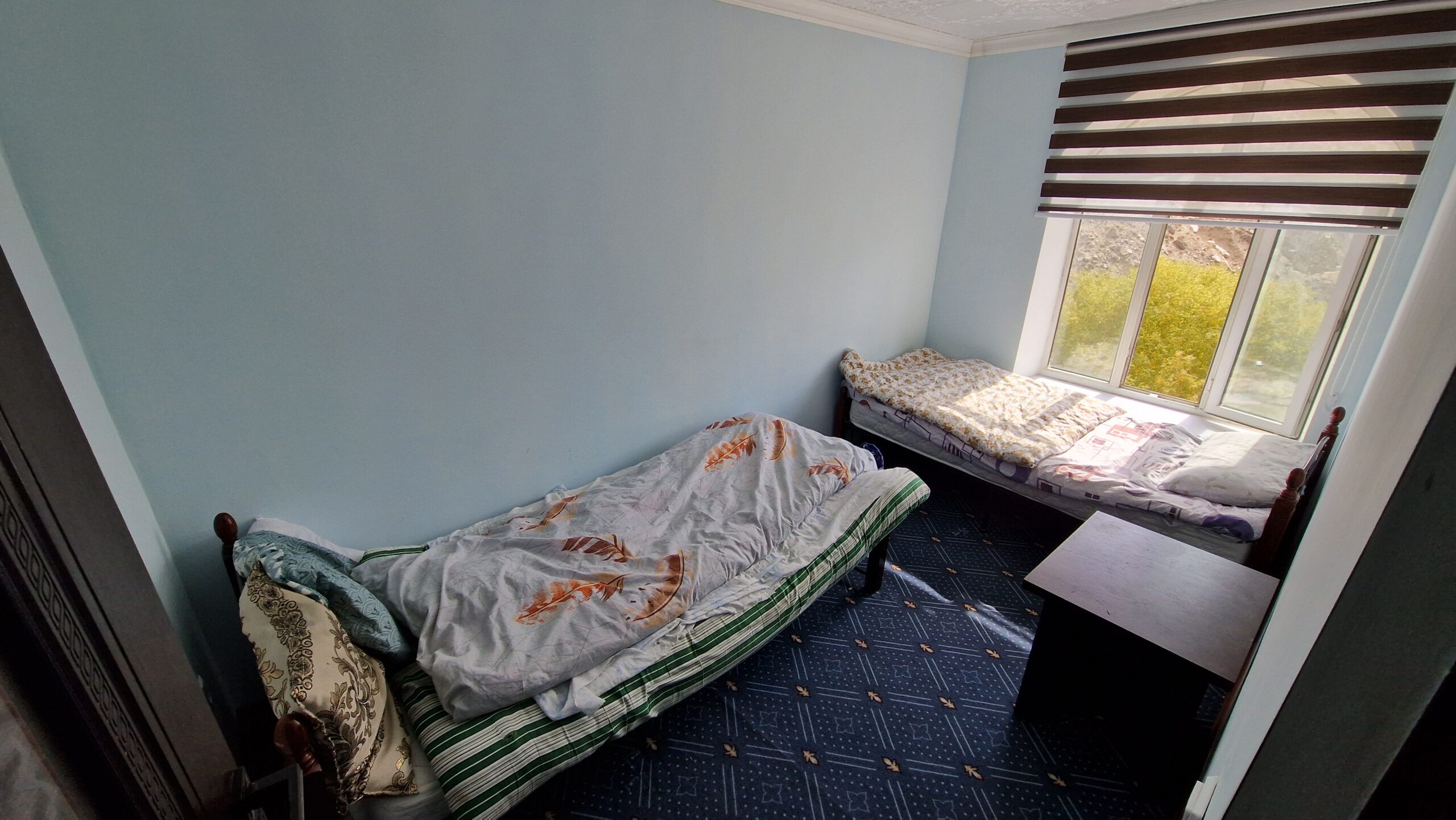
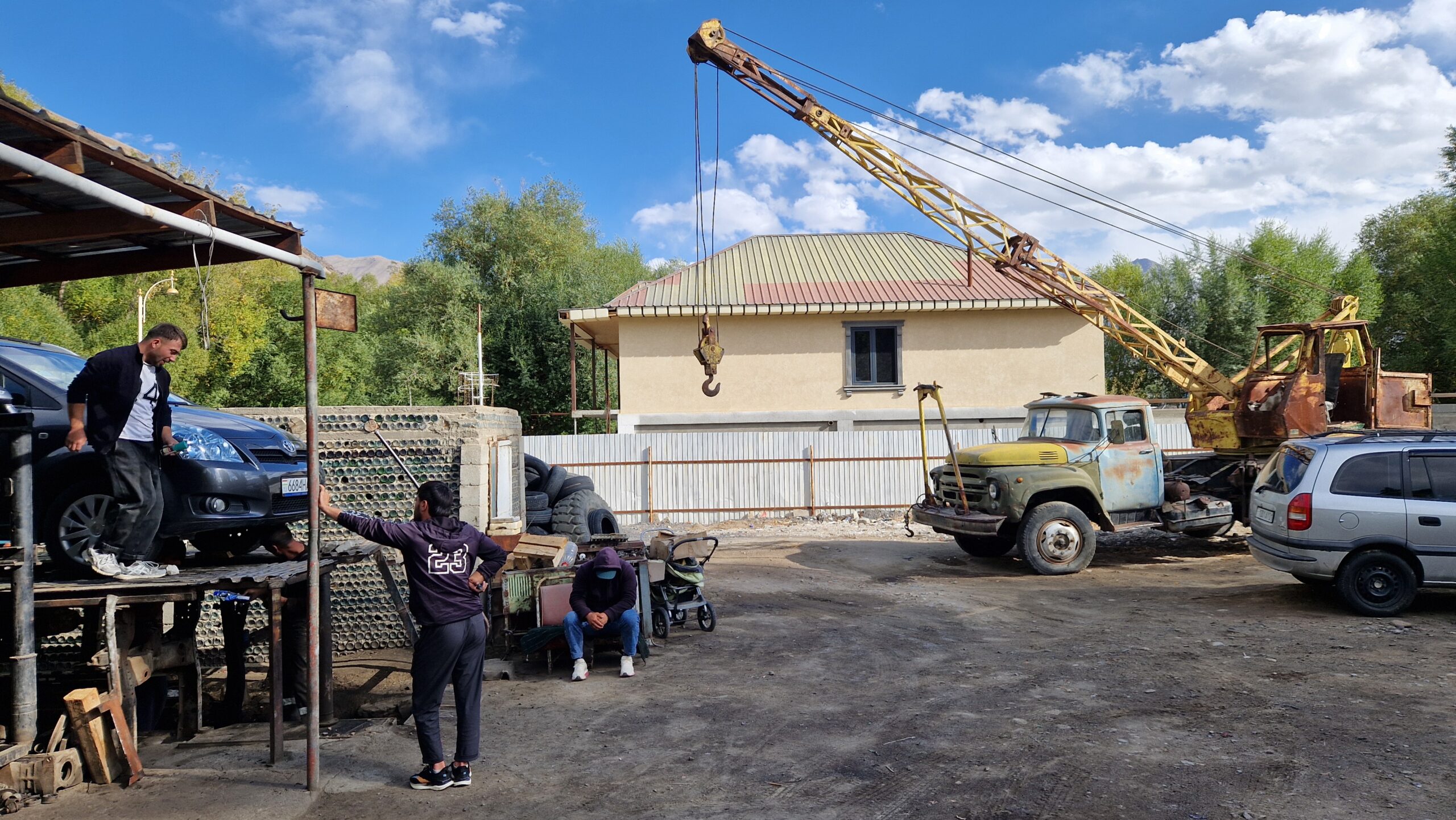
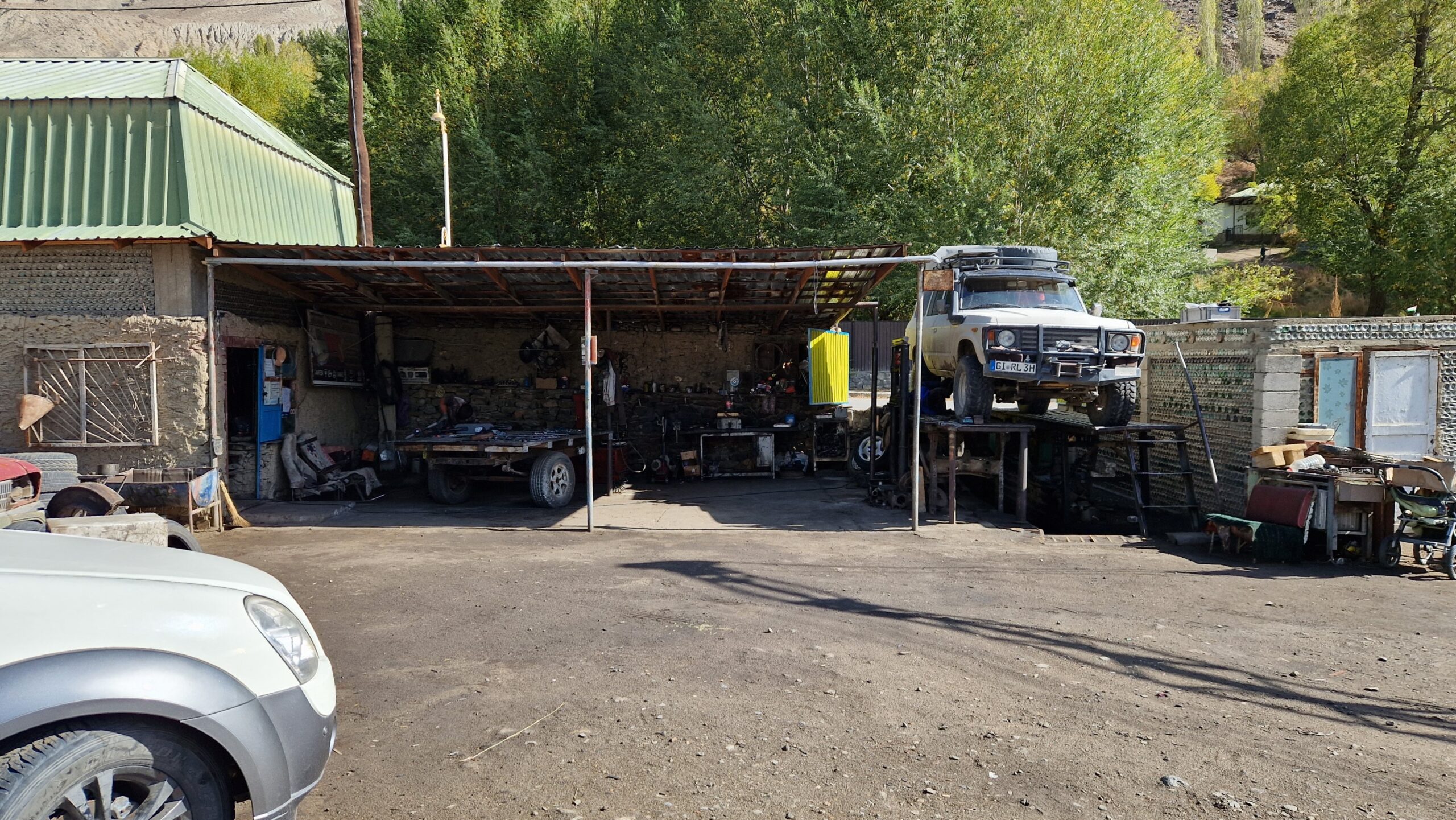
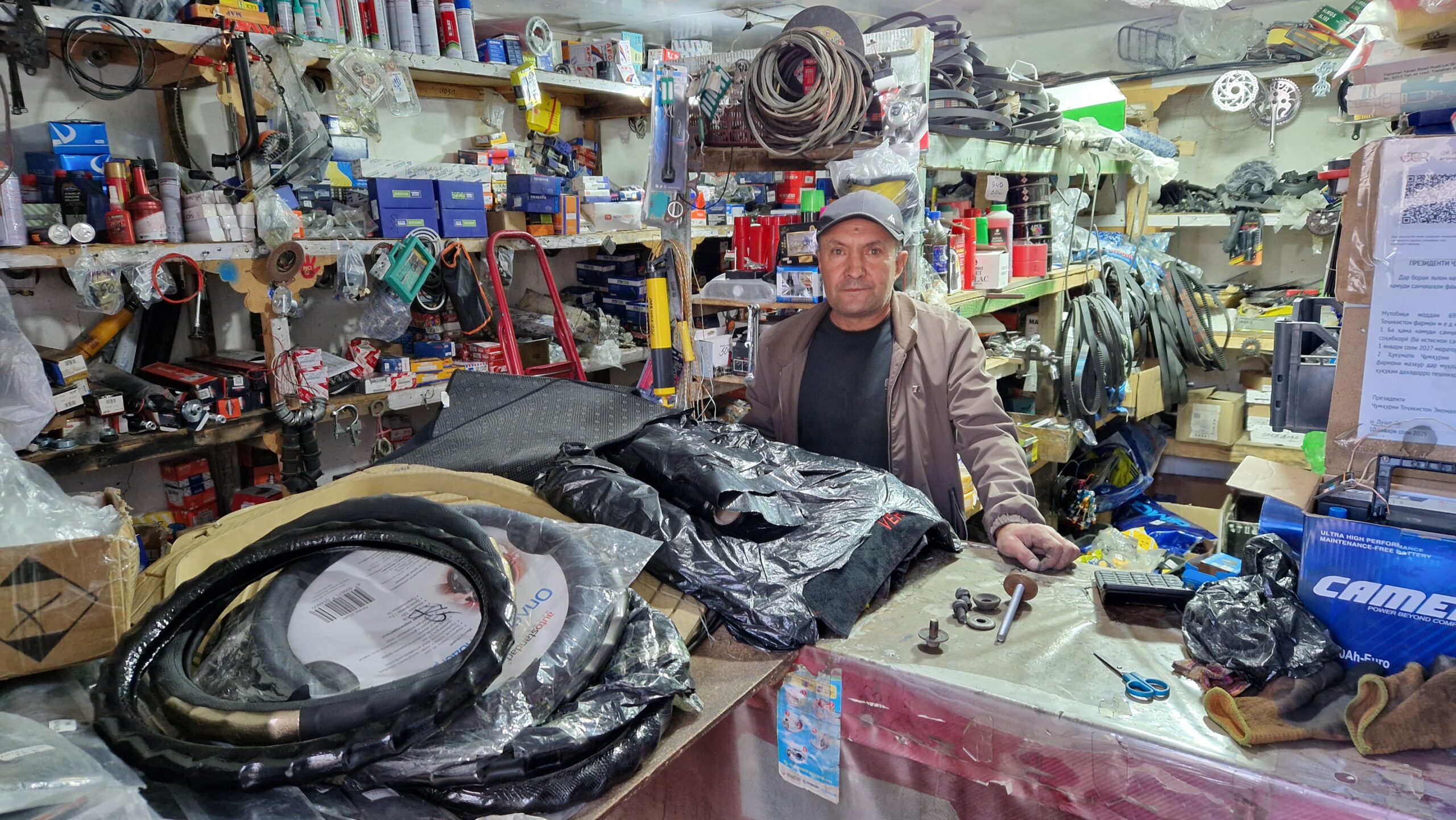
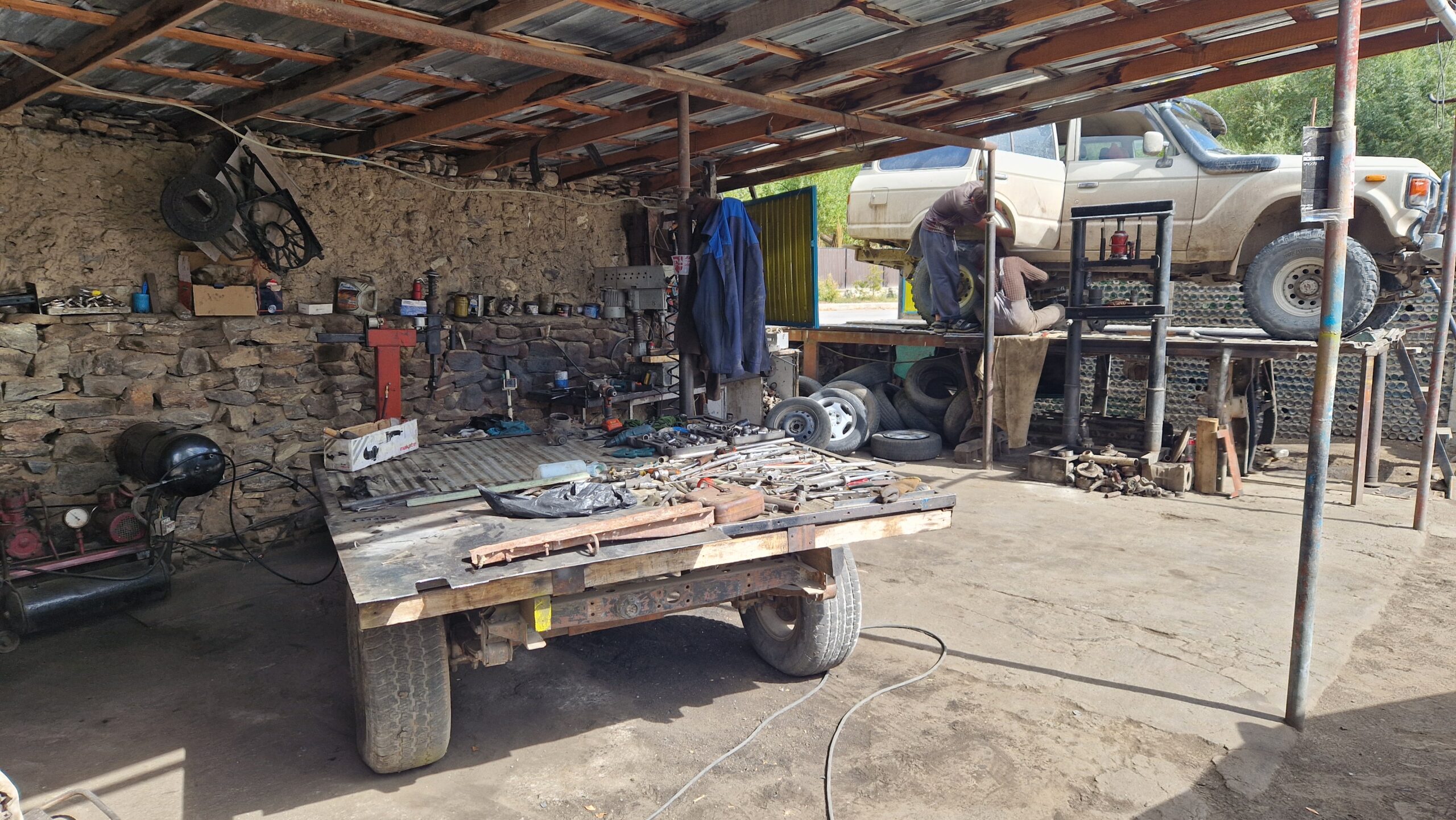
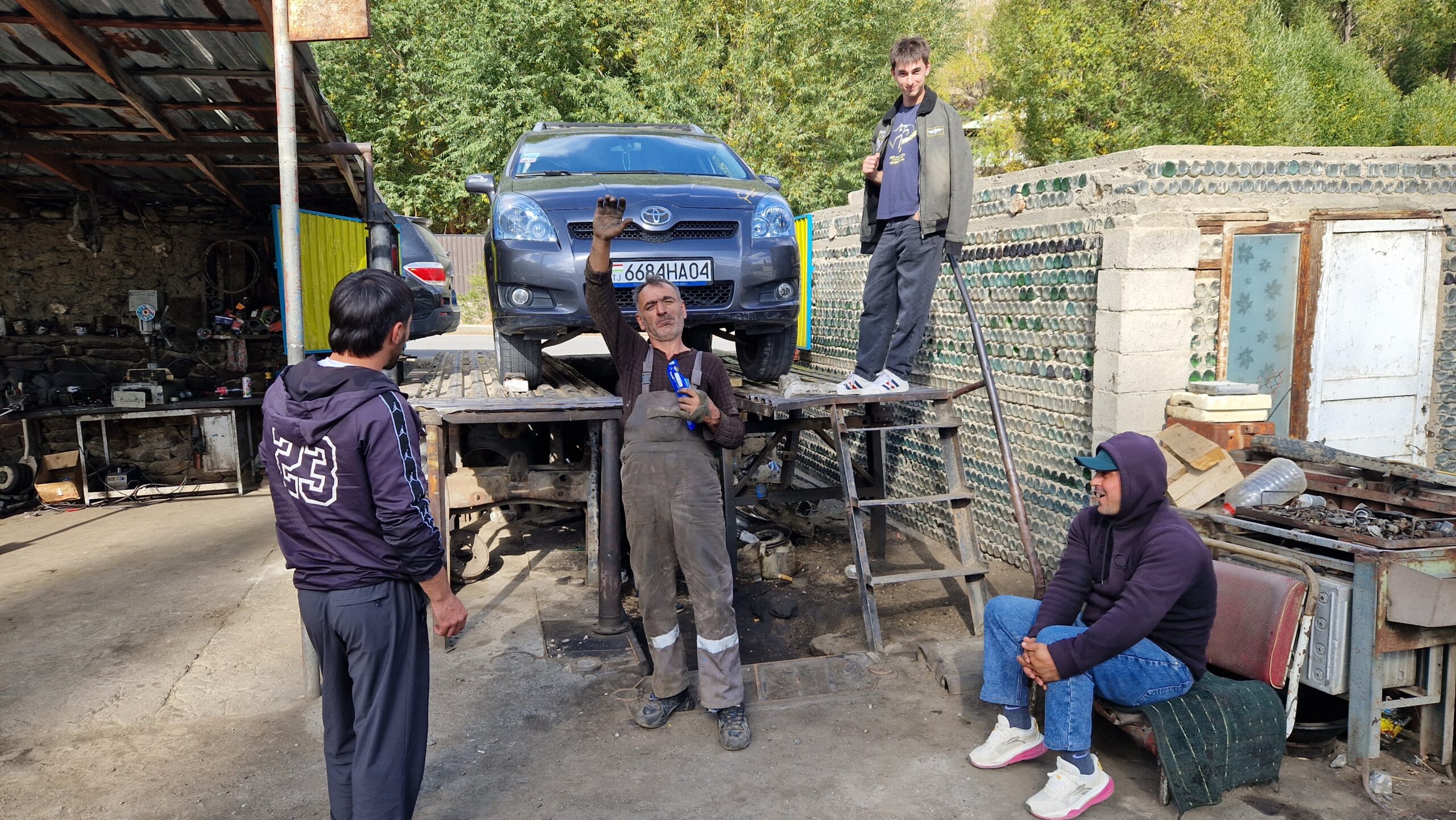
Another 70 kilometers of careful driving and losing more parts of our cutting board brought us to a mechanic who could fix our problems. Two people worked on our car for more than six hours and did a very good job. In the end, we paid approximately 100 euros. There were only a few places where we could have found such an excellent solution.
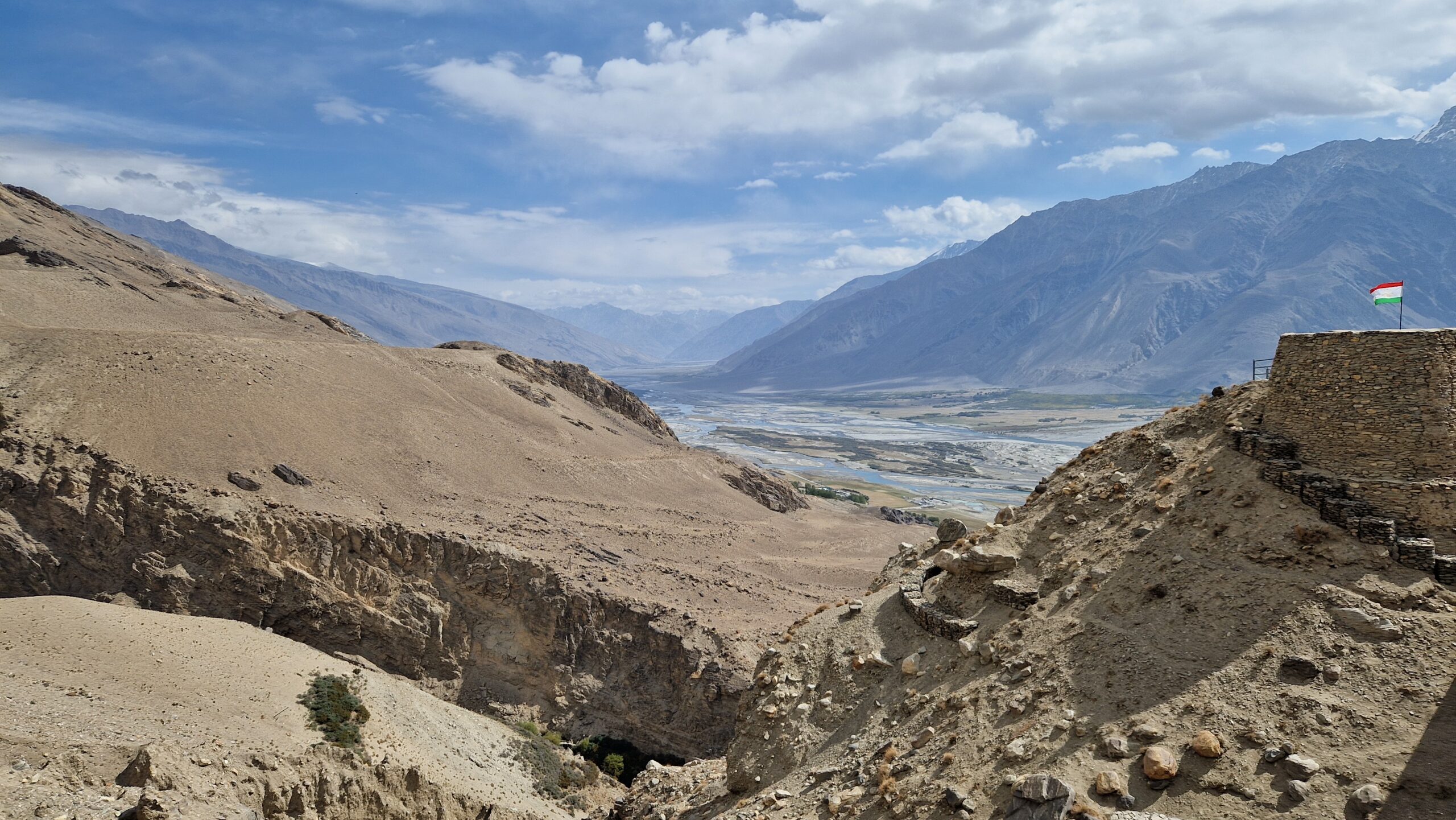
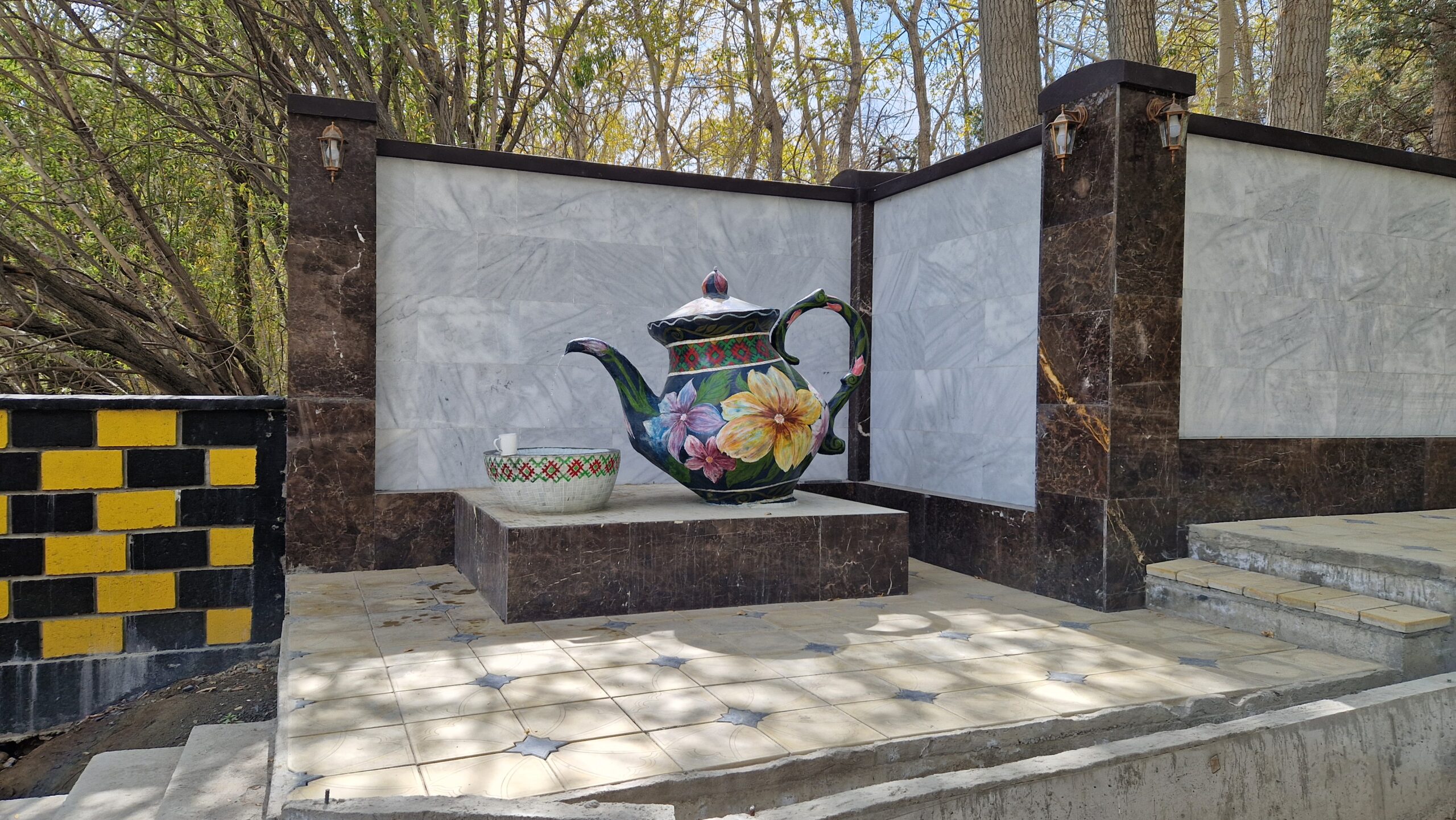
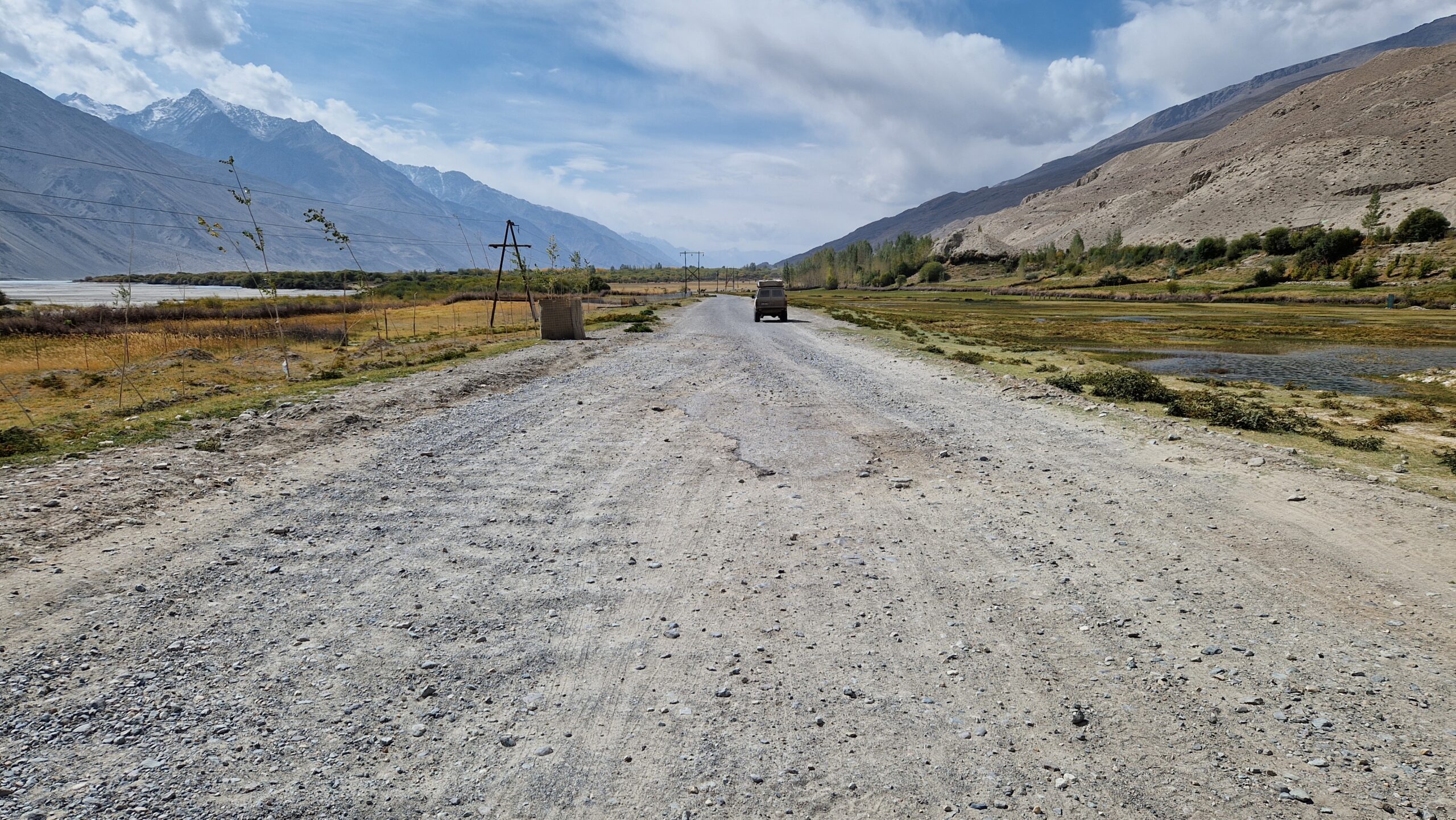

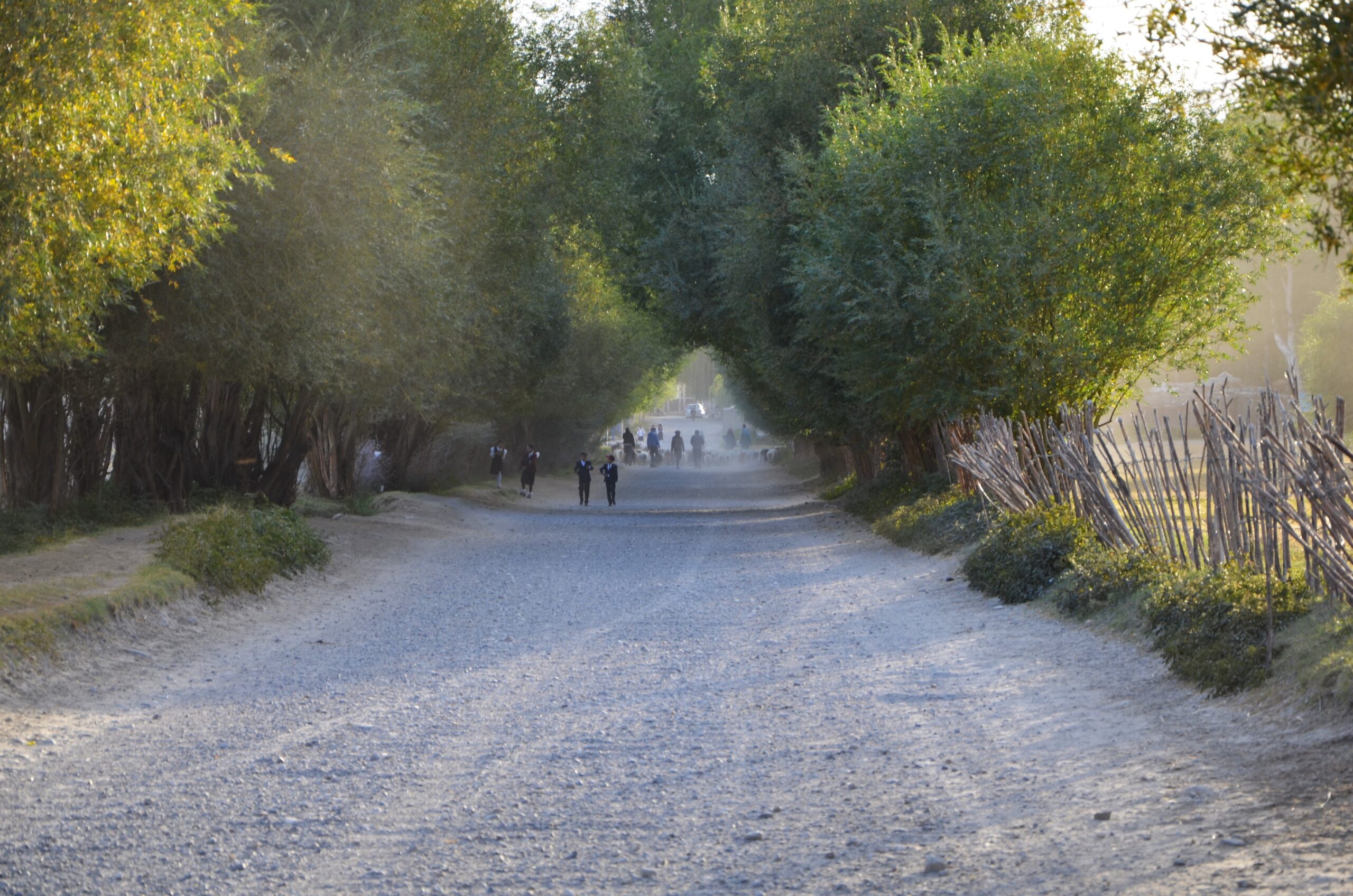
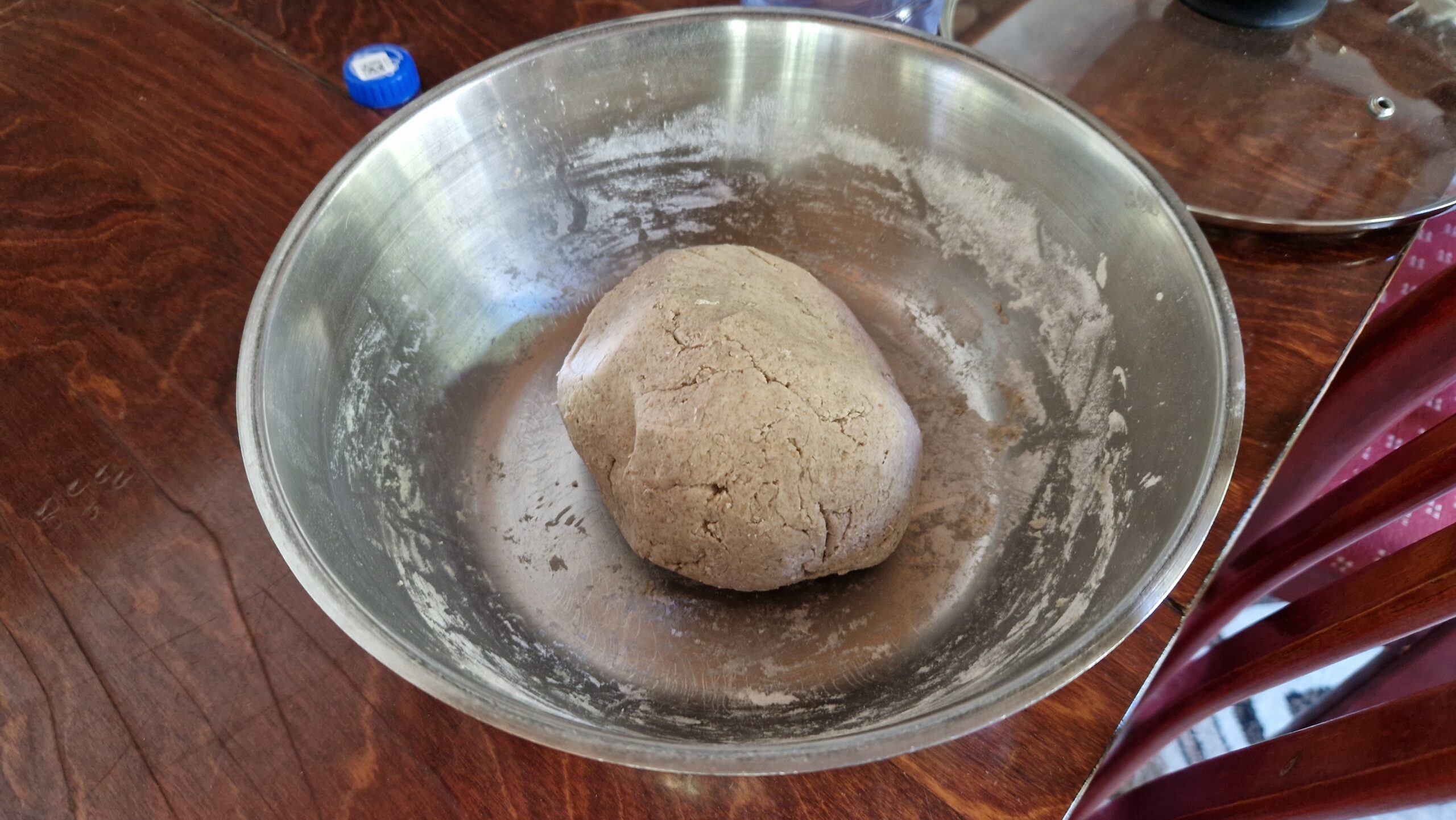
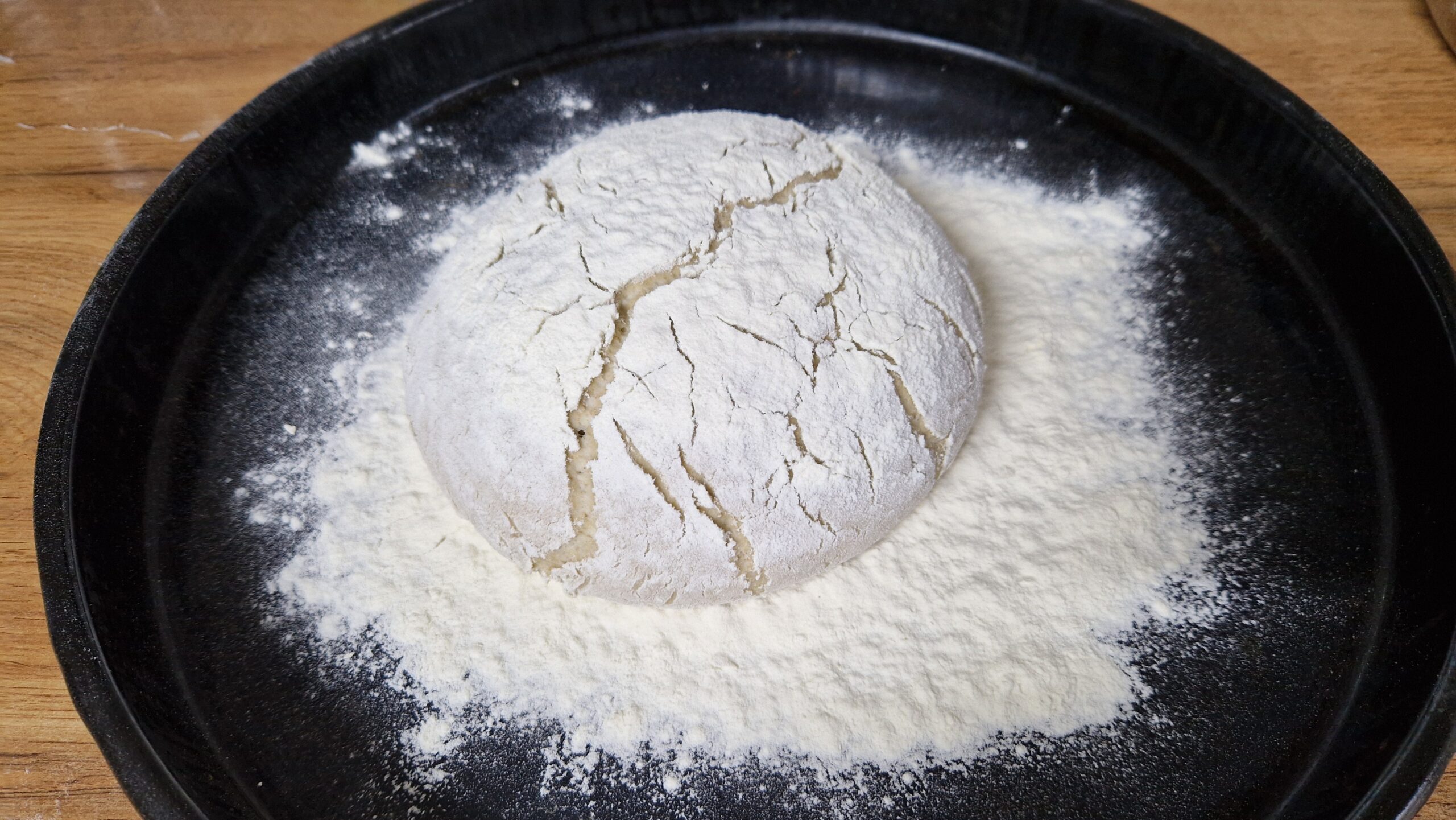
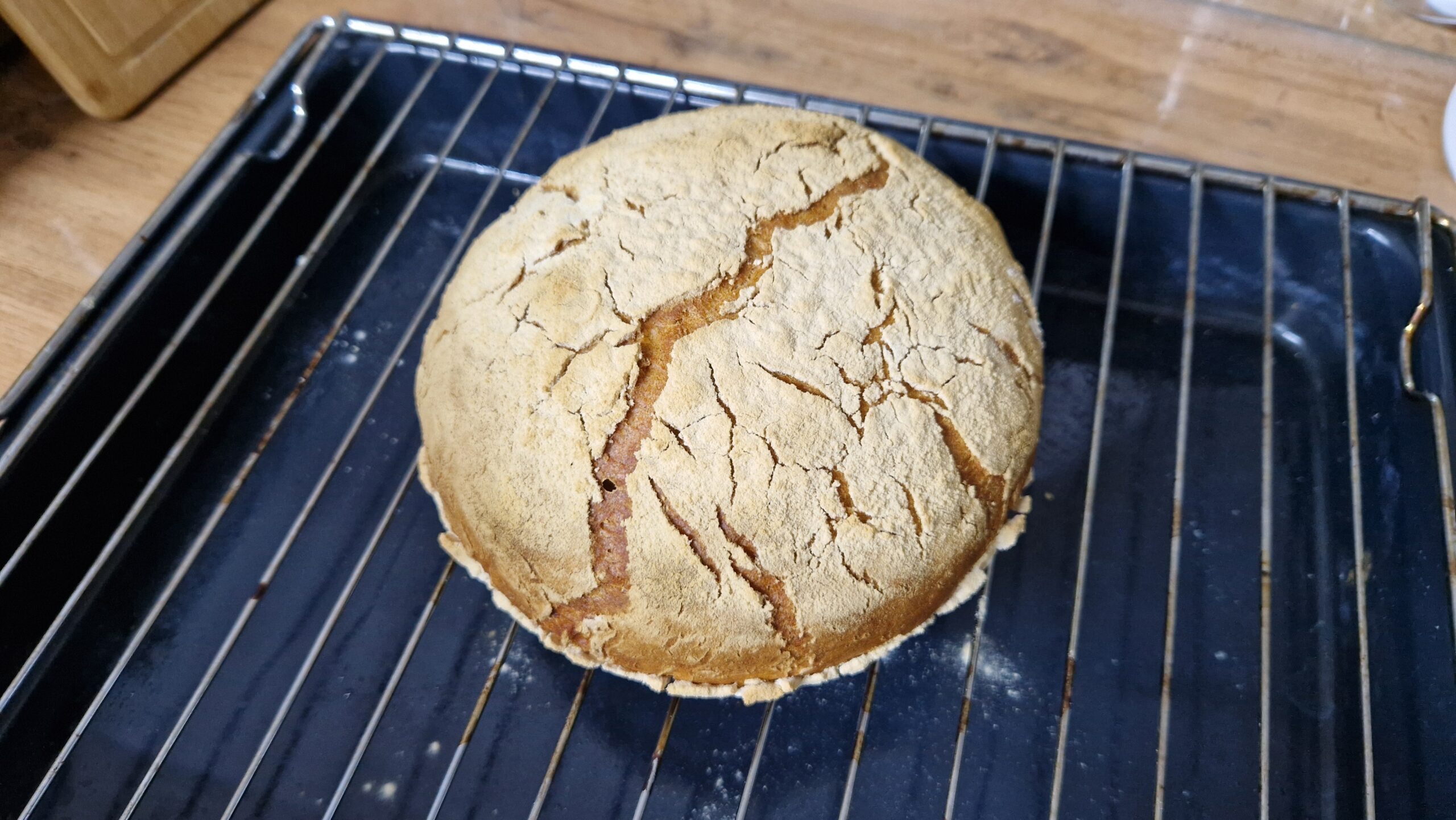
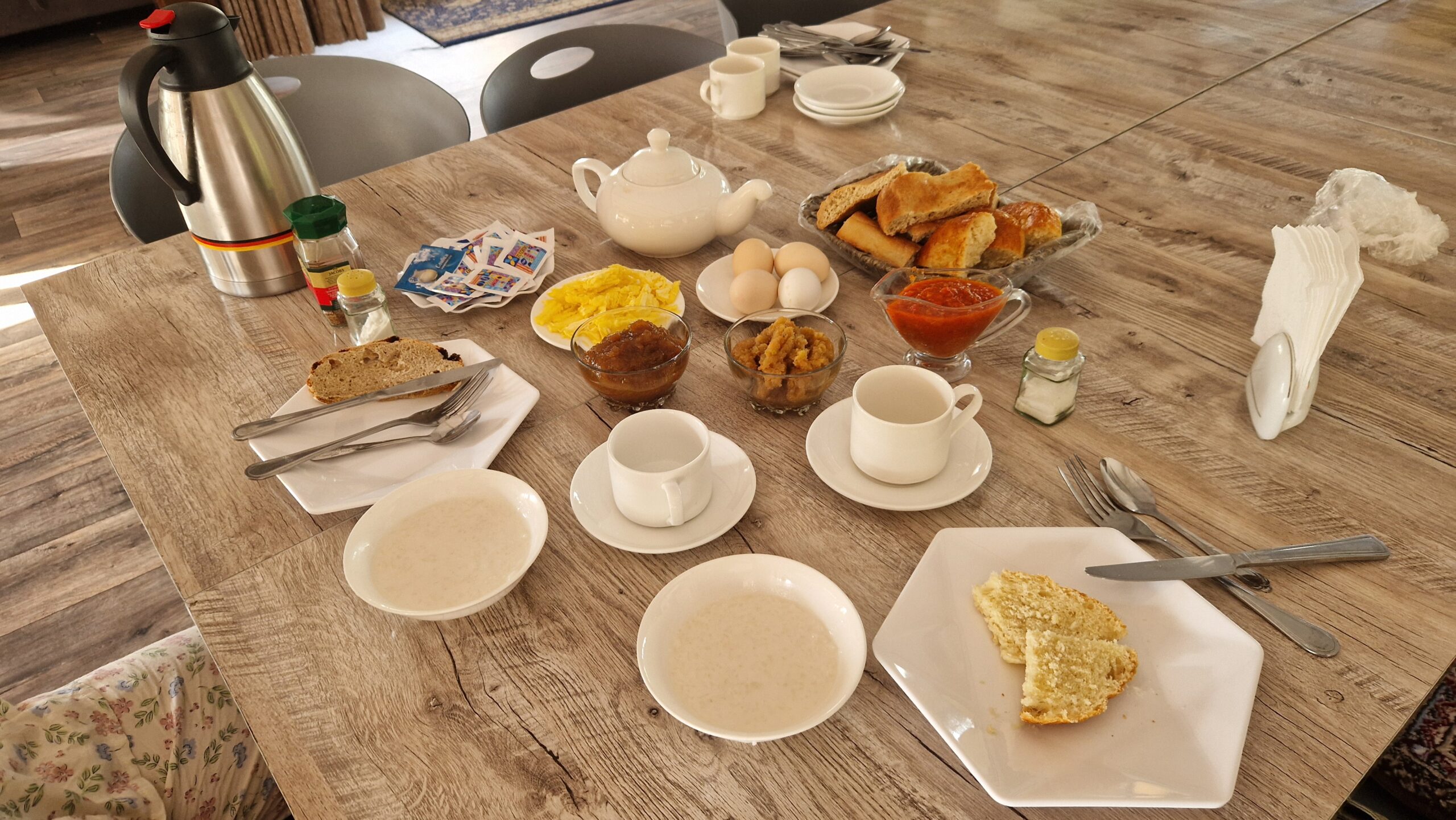
We continued along the border and rested for two nights in a small town to recover from the stress of the previous days. At this lovely guesthouse, we had the opportunity to bake our sourdough bread again.
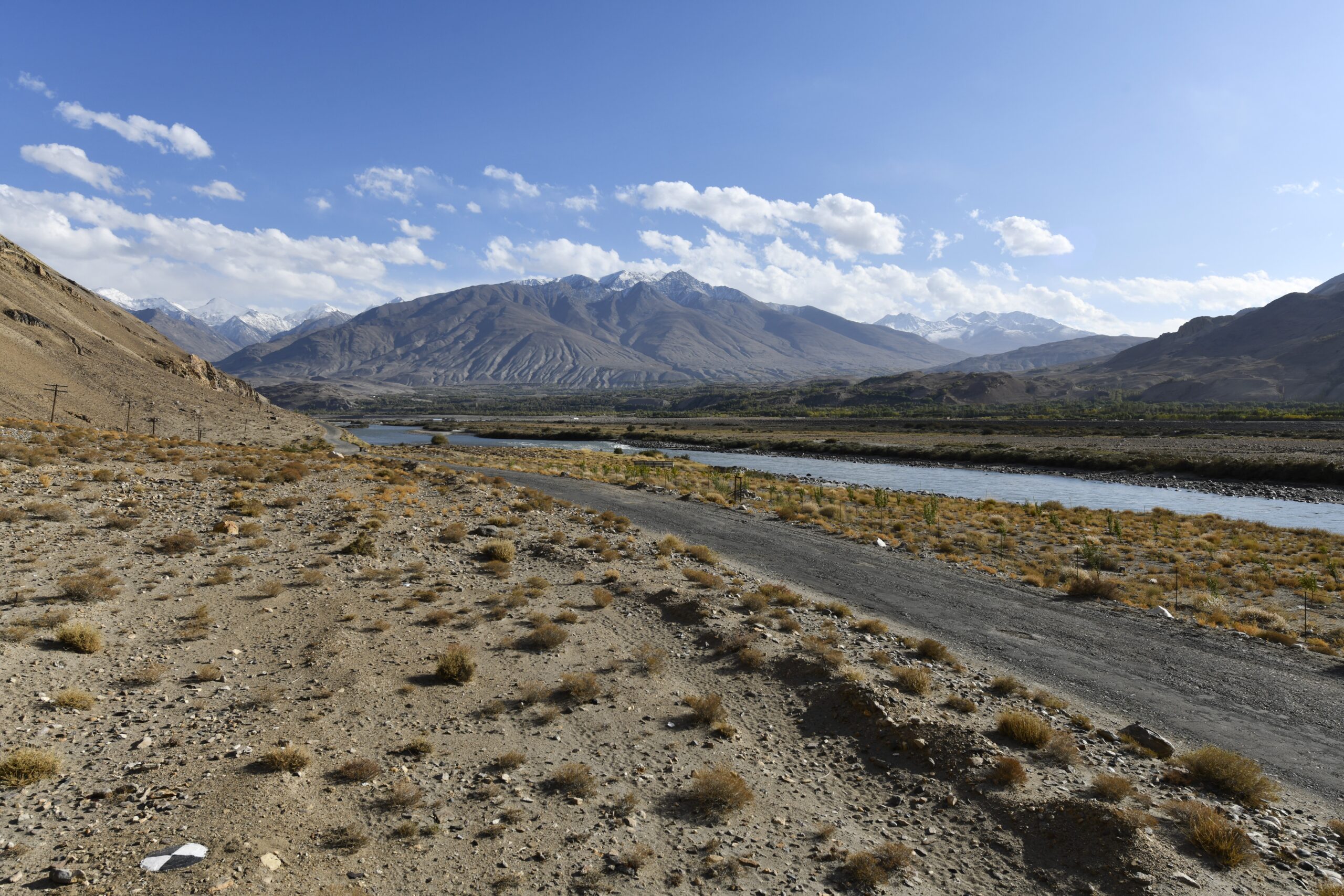
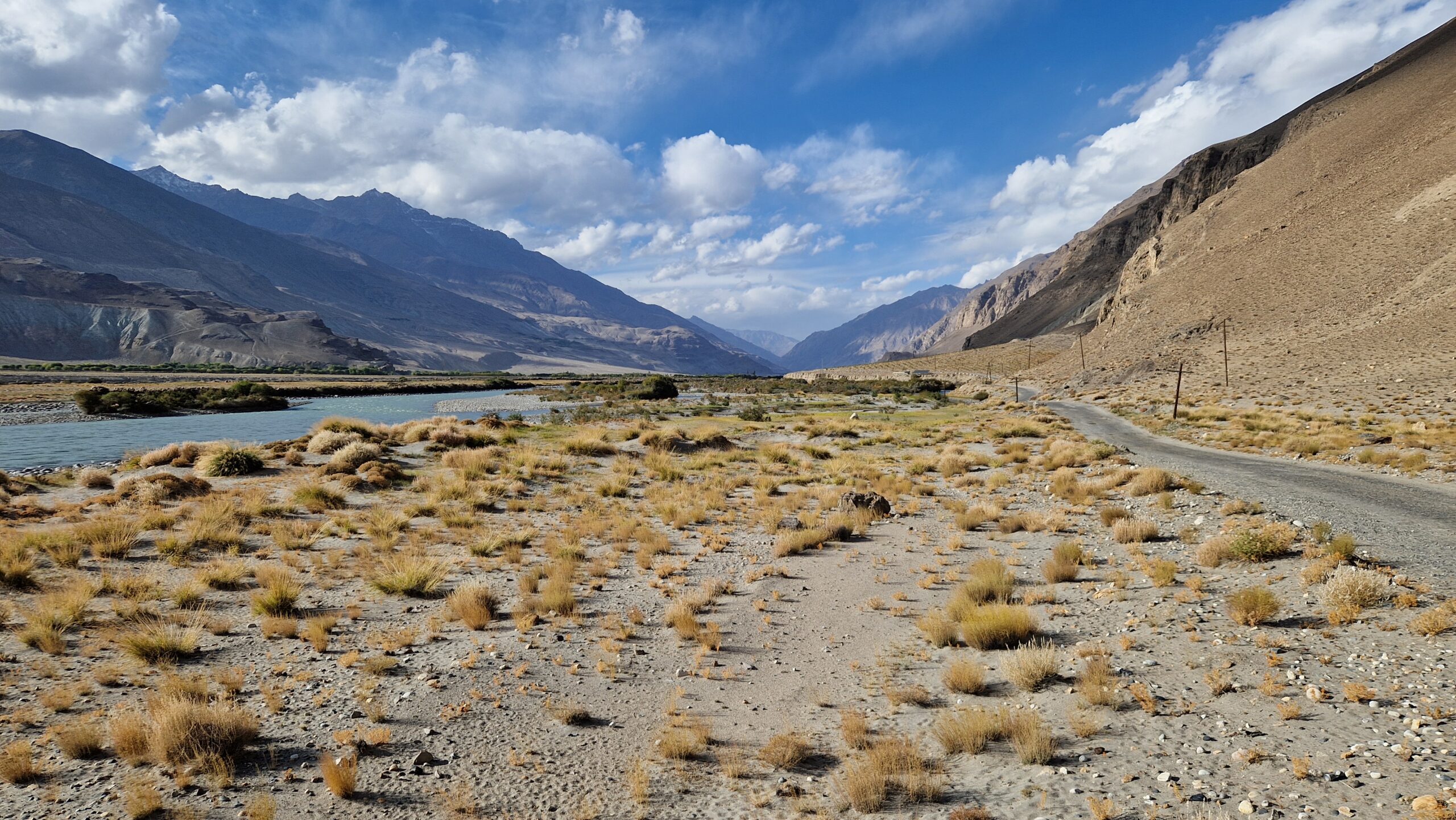
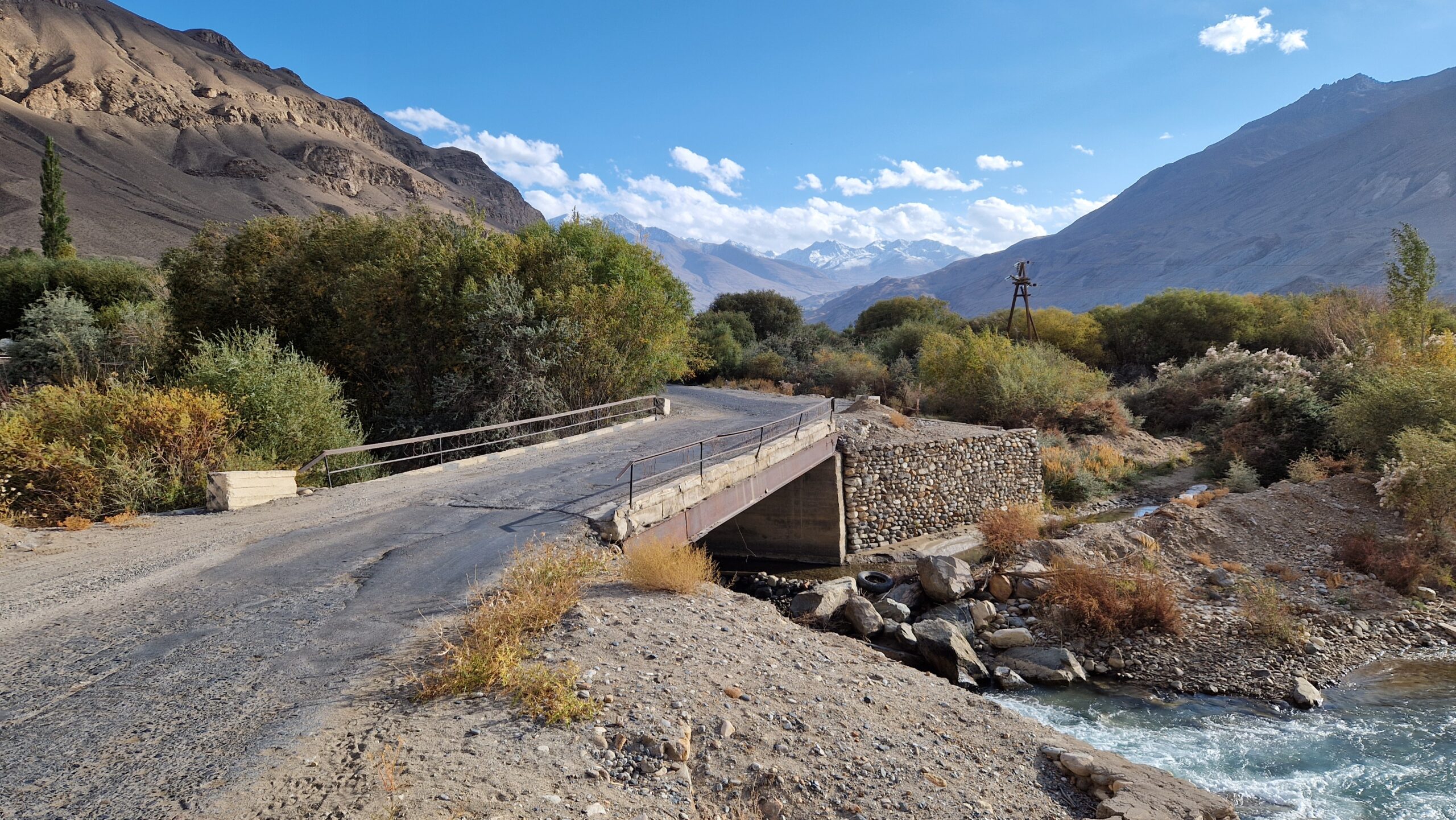
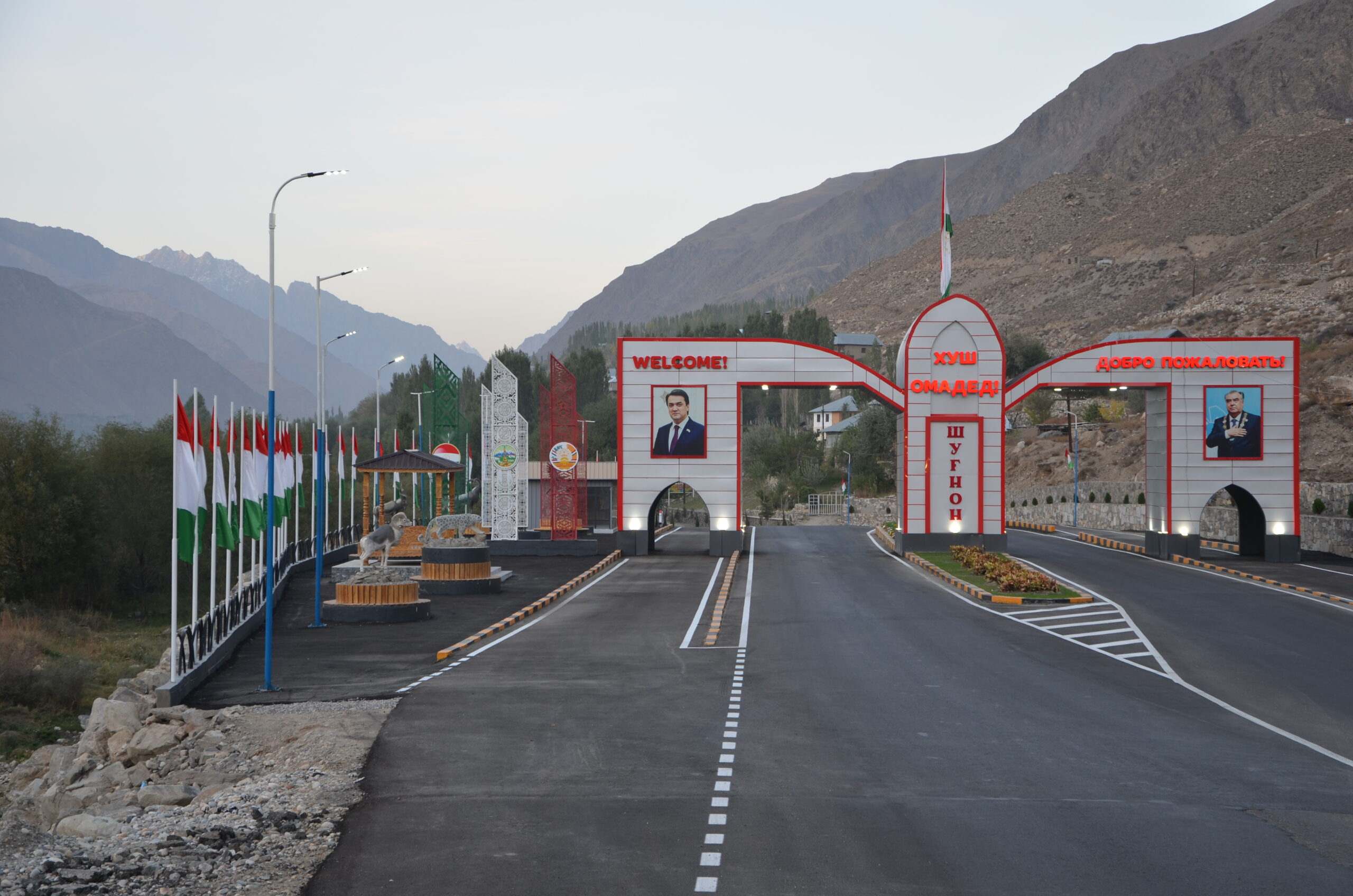


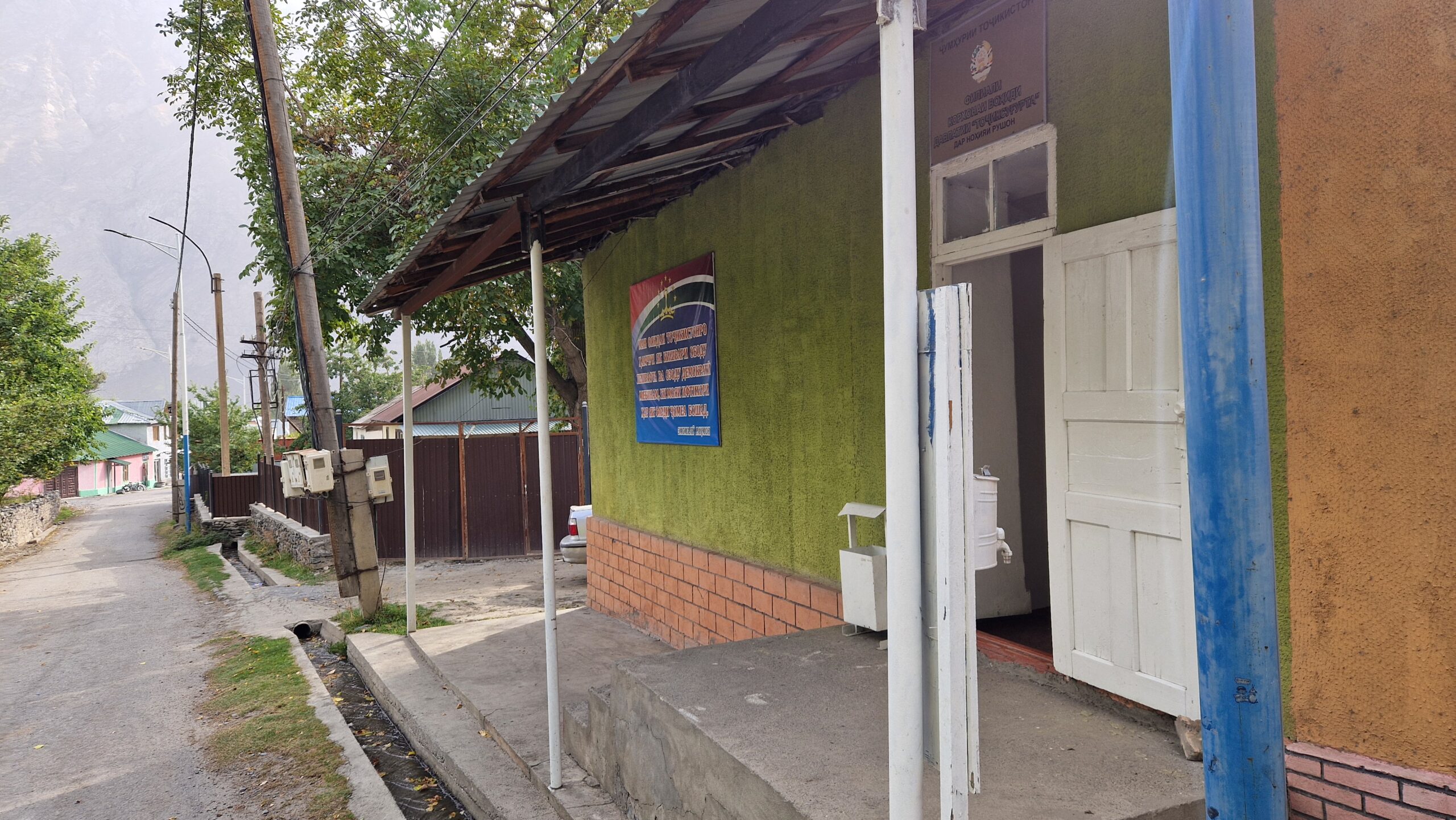
Another reason we chose this place was because of the insurance office. We needed car insurance since we crossed the border. There was simply no opportunity to apply for it in the mountains. Unfortunately, we had to leave that town without a policy, too. It seems that the capital is the only place where we can get insurance, but it is also the only place where traffic cameras might automatically check the status of our insurance. Paradox. We finally left the valley, and thus the border with Afghanistan, heading towards Dushanbe.