It started several weeks ago. After arriving in Georgia, we realized there were only four ways to cross the Caspian Sea. One option was to go through Azerbaijan, where you have to wait at the ferry terminal for an opportunity to get to Kazakhstan. However, there is one major problem: Azerbaijan has kept its land borders closed since the pandemic. In order to bring a car into the country, it needs to be imported on a trailer, and foreign tourists need to fly in by plane. This would result in costs exceeding $2,000 to reach Central Asia. I’d totally love to see Azerbaijan, but this just isn’t worth it. The second option is to transit through the Islamic Republic of Iran to either Afghanistan or Turkmenistan, if a visa for the latter can be obtained. Despite being an interesting country with an adorable culture, this option is not worth considering. Old conflicts have resurfaced in this country recently.
The remaining two options are Russian visas. Due to the current geopolitical situation, traveling in Russia is more difficult than ever. Nevertheless, it is a country with many facets that are worth exploring. The only physical type of visa that one can apply for in Georgia is a transit visa. Due to its limited validity period, tourism is literally impossible with this type of visa. The other option, the e-visa, only allows travel towards Mongolia when traveling east, not Kazakhstan. The e-visa appeared to be our best choice to do at least some tourism while driving through this country. Now that we’re back in Georgia and have seen the places we wanted to see, the transit visa that’s left over fits my travel plans better than it did before. However, the process is just horribly inconvenient, forcing one to stay in or close to Tbilisi.
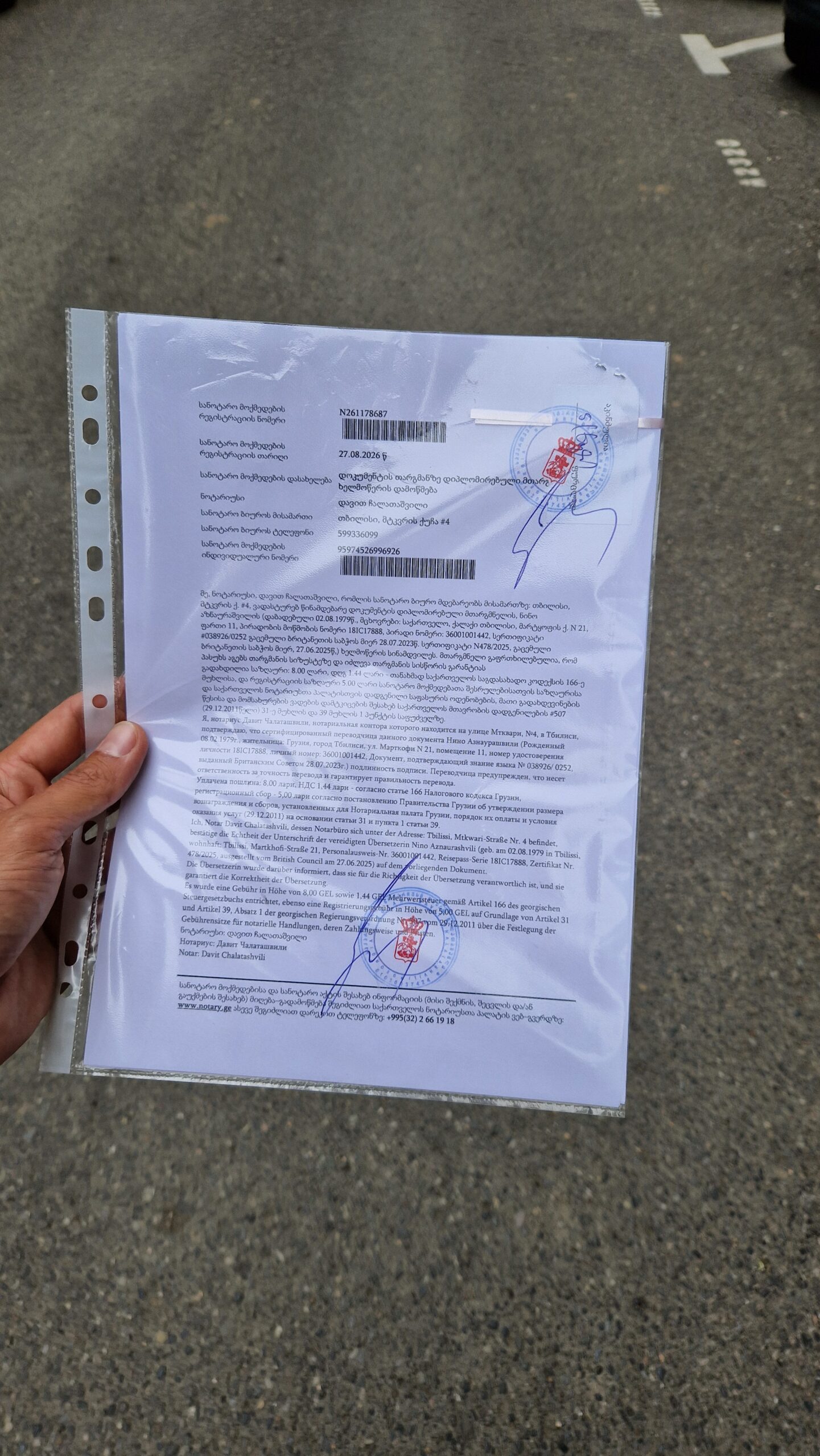
Since the visa office’s website is not helpful, people naturally go there to ask about the procedure. It’s no surprise that one needs to book an appointment. But, to get this appointment, the necessary documents must be checked in advance. One of the documents was a translation of our car’s papers. Fortunately, it was not too difficult to organize because there are companies that offer remote translation services. However, the second visit to the visa office revealed that the desired translation must be notarized. Nobody had mentioned that requirement. Unfortunately, the translation we had obtained could not be notarized. An additional re-translation was required to get the official stamp.
I don’t want to think about how many times I went to the visa office and other stations to organize everything. One amusing thing to point out is that this translation isn’t necessary at the border station. Russians aren’t stupid; they can read Latin letters and work with the original documents. Ultimately, the ordered translation will end up in a bureaucratic swamp and will never be used.
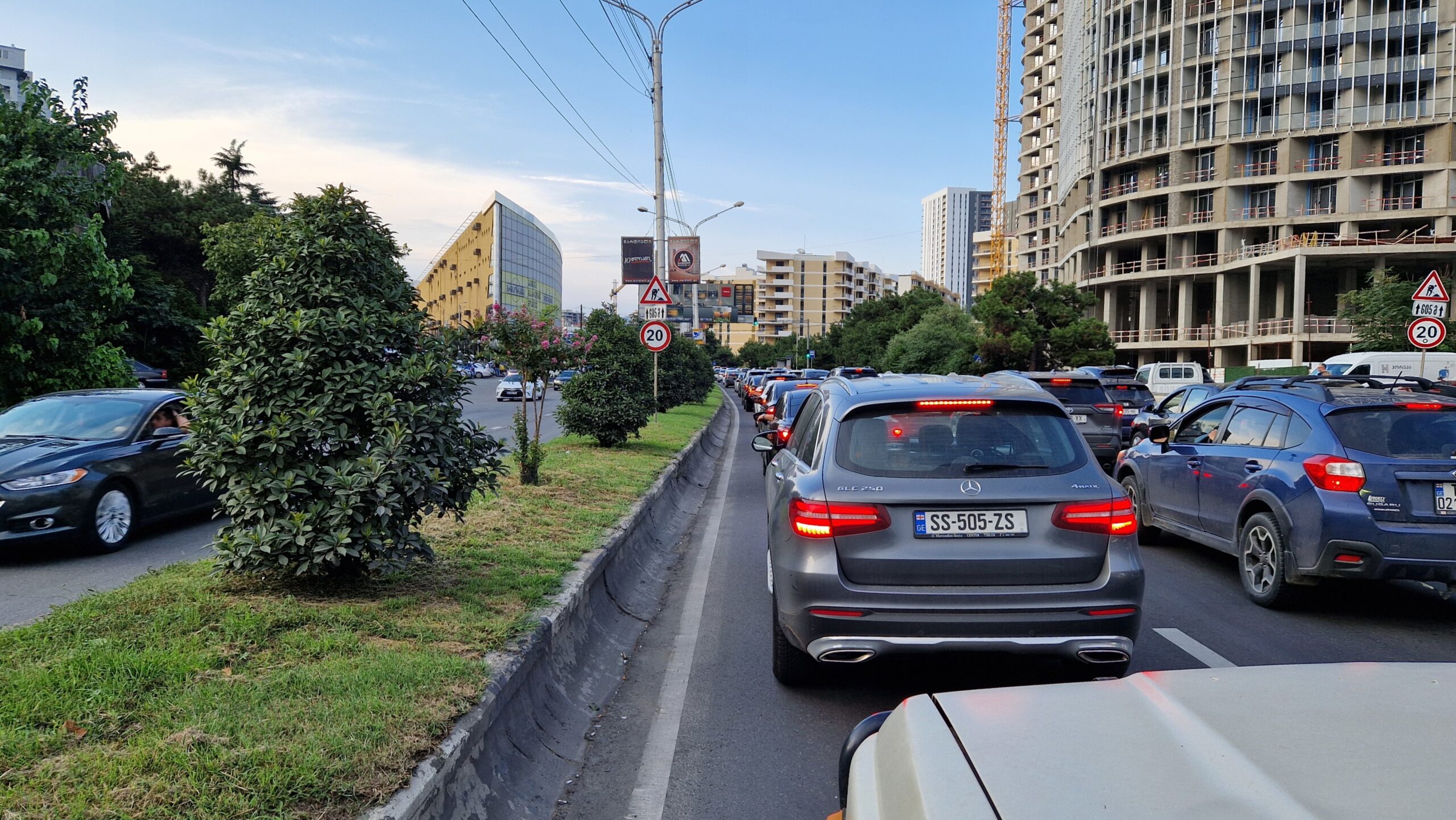


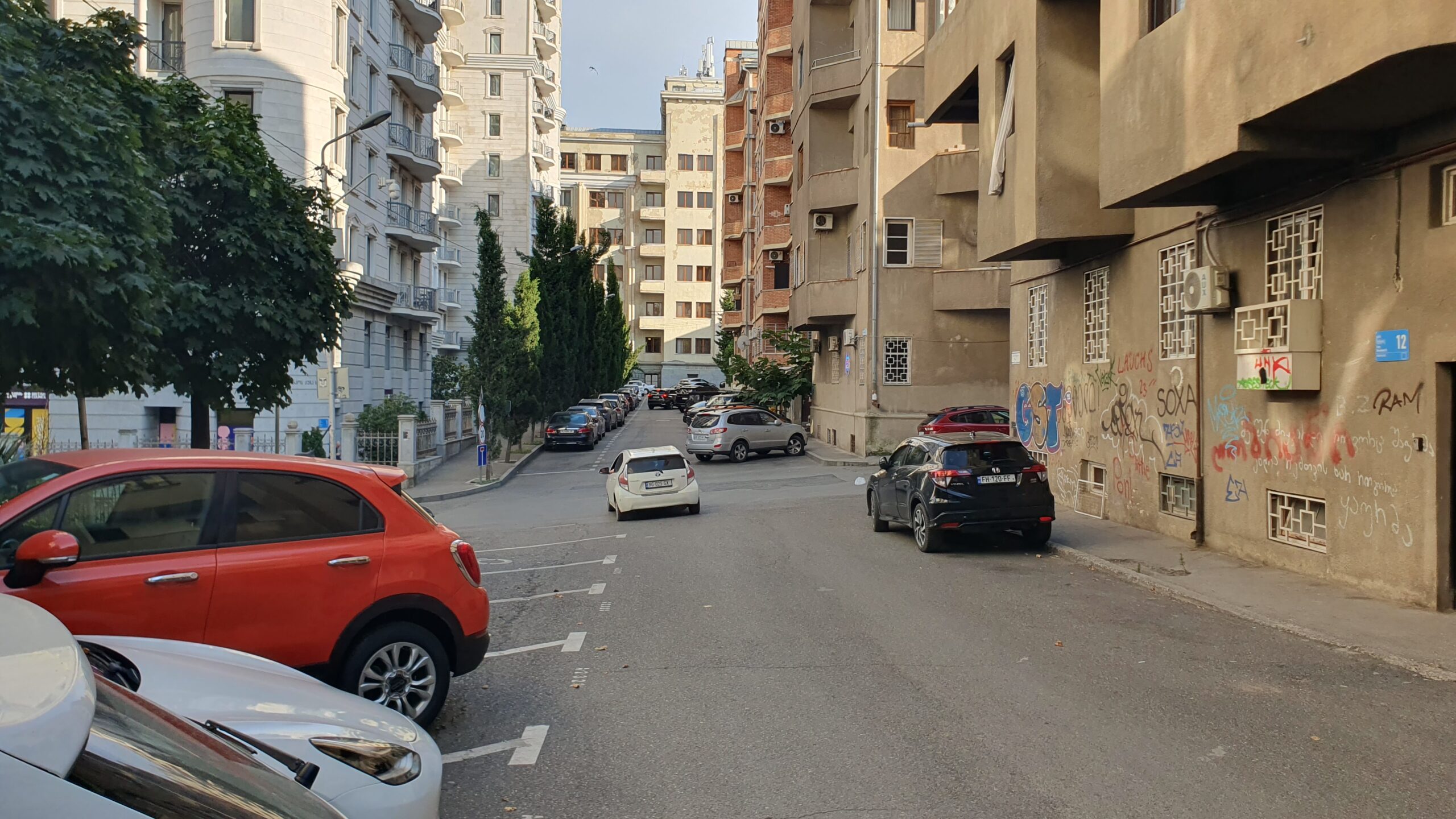

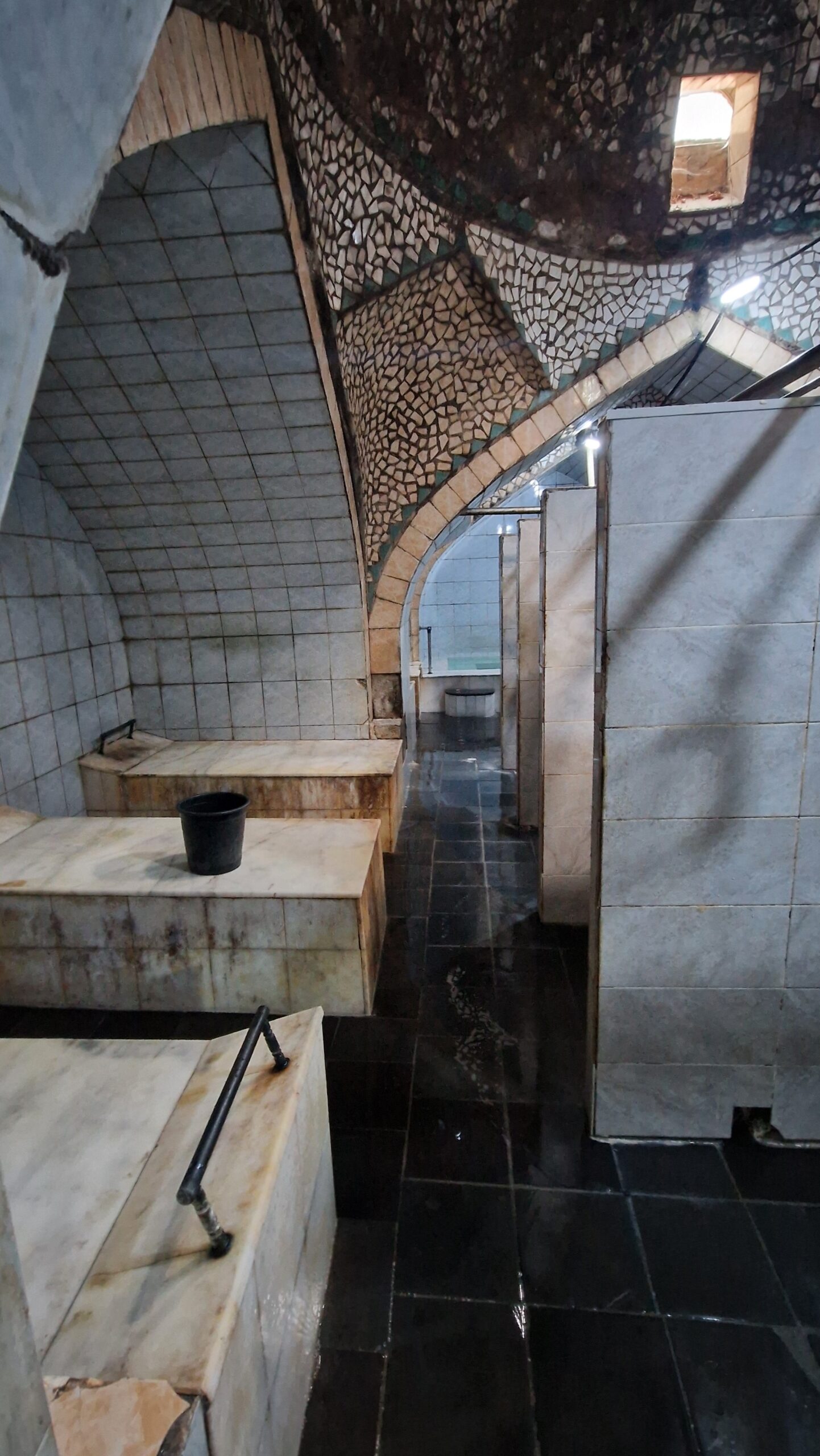
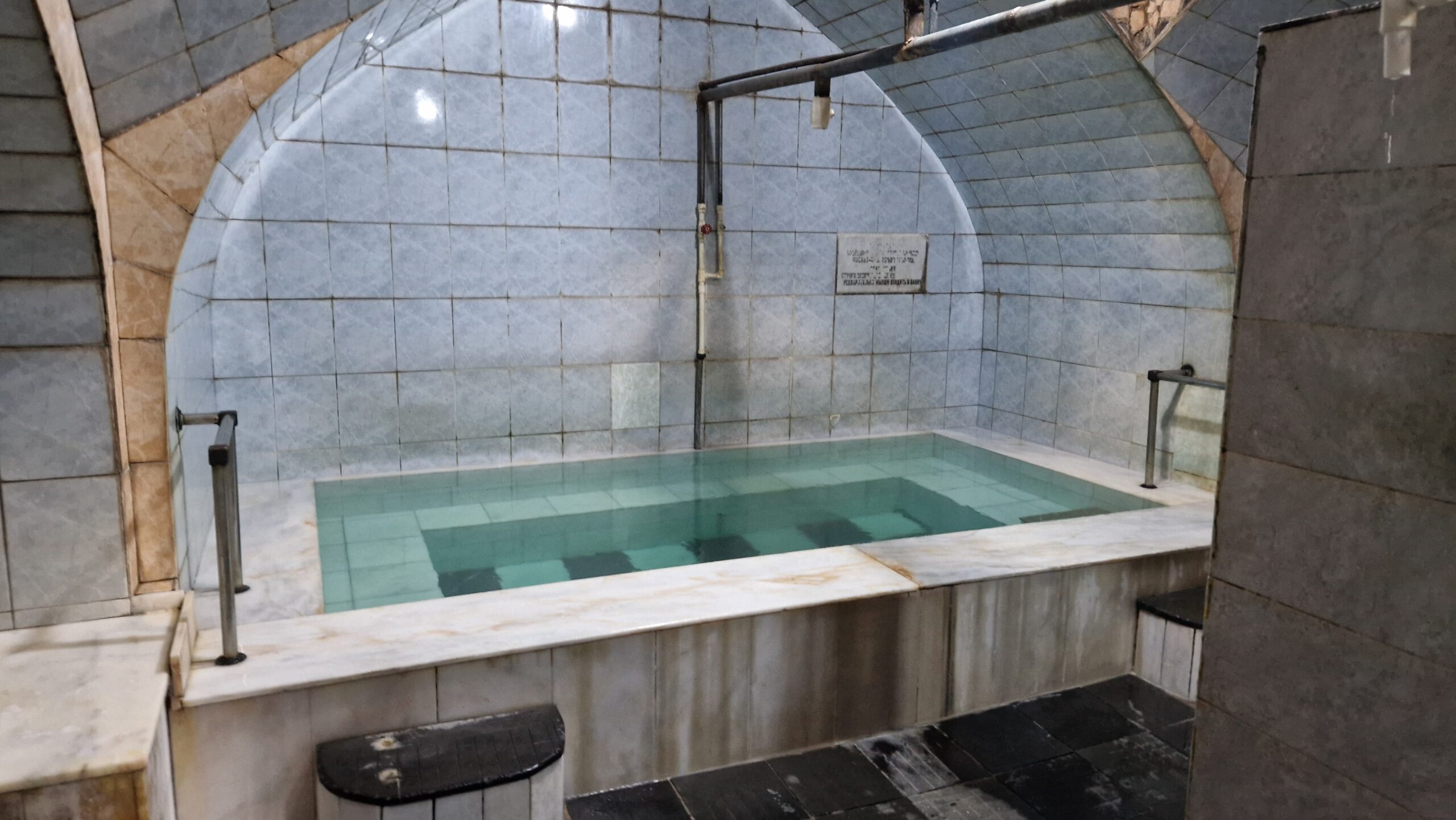
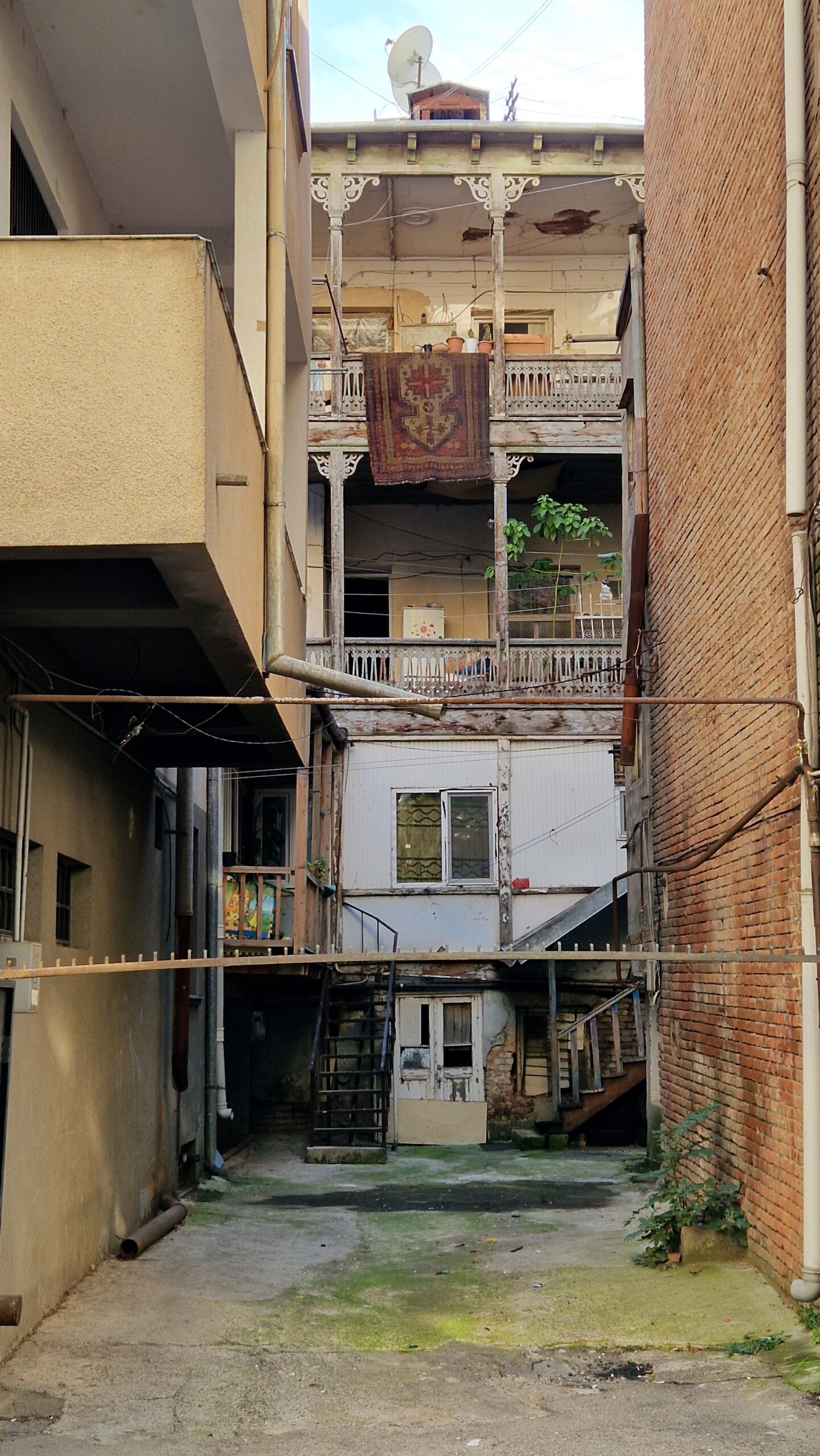

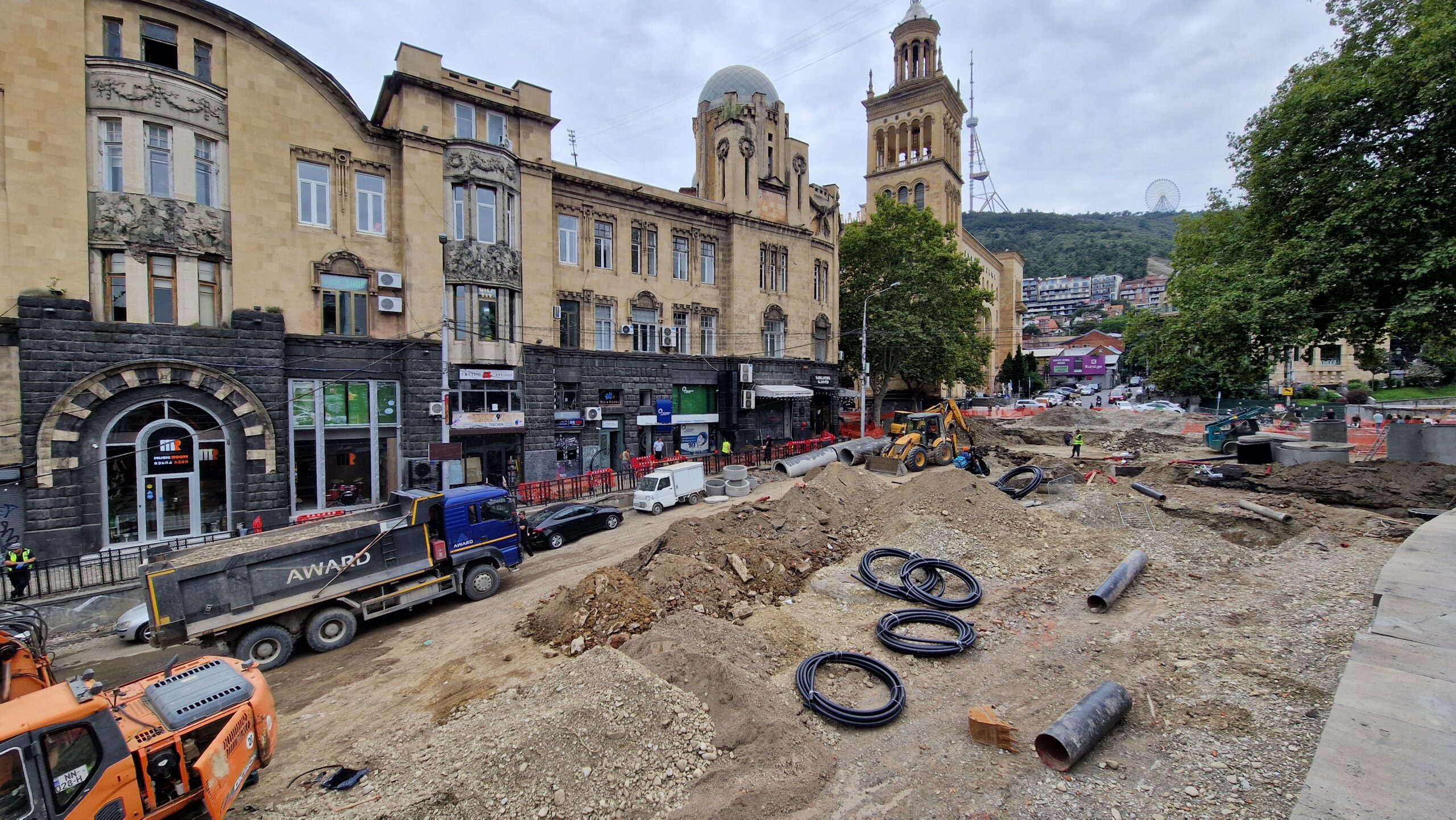
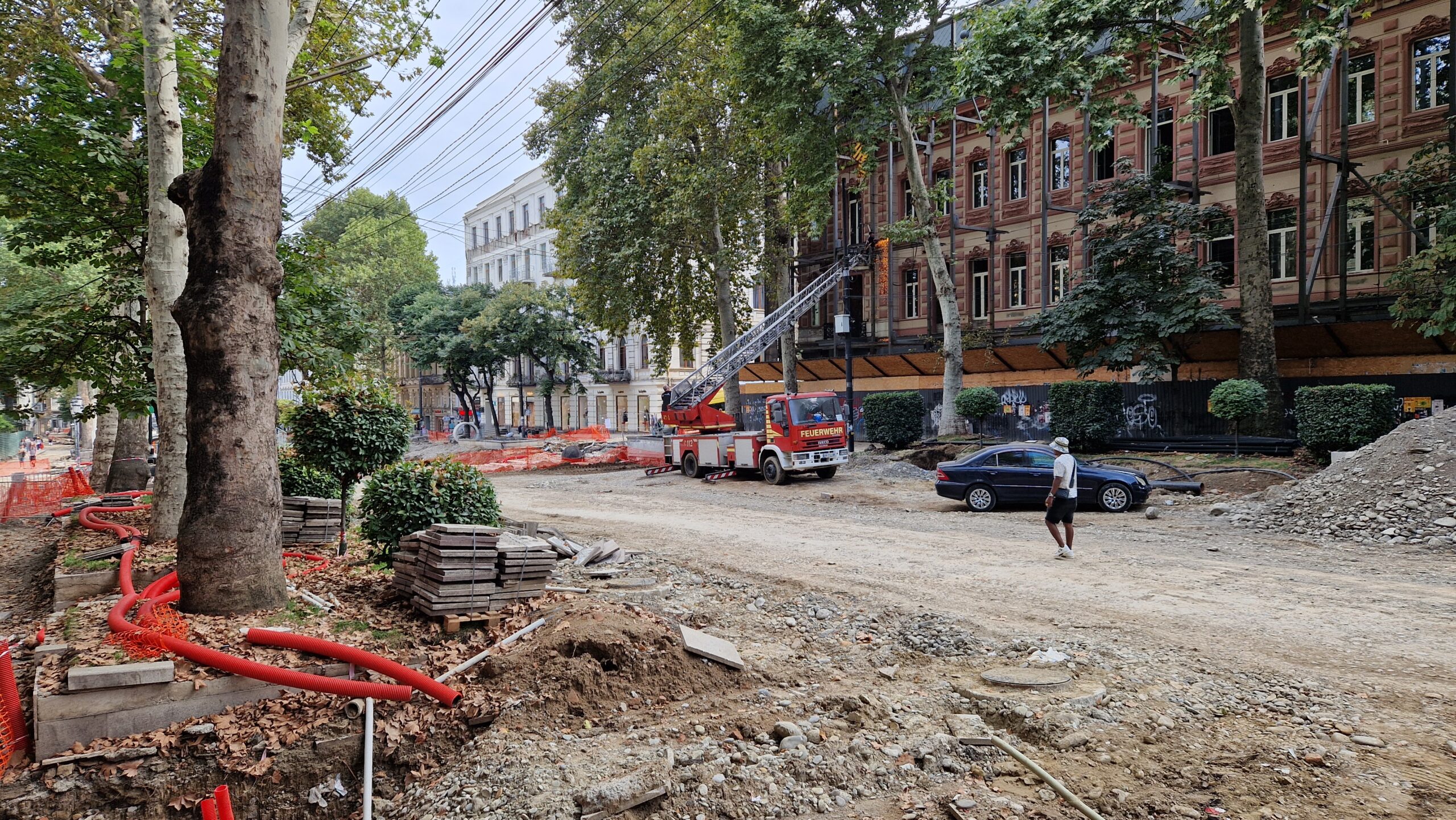

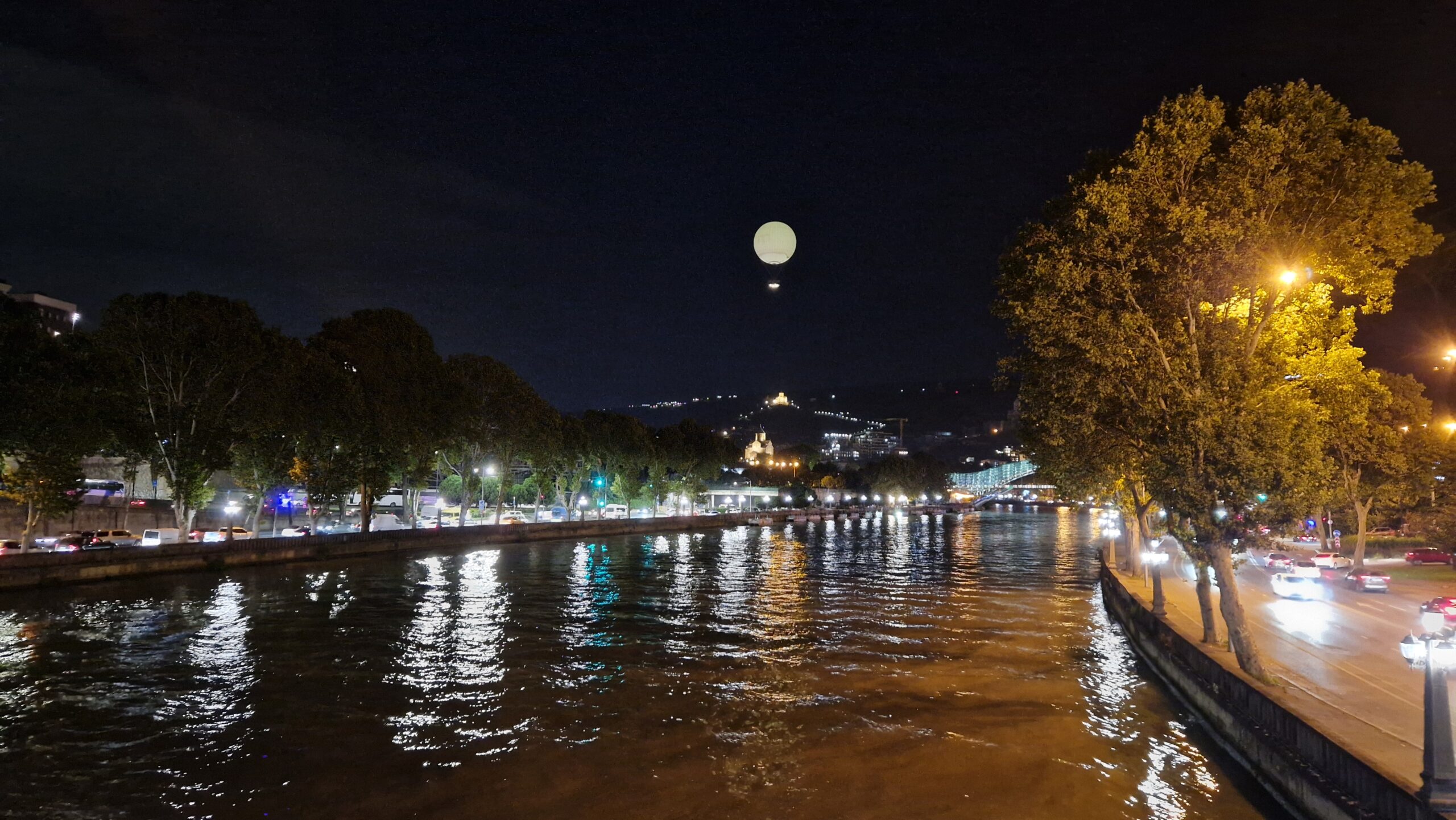
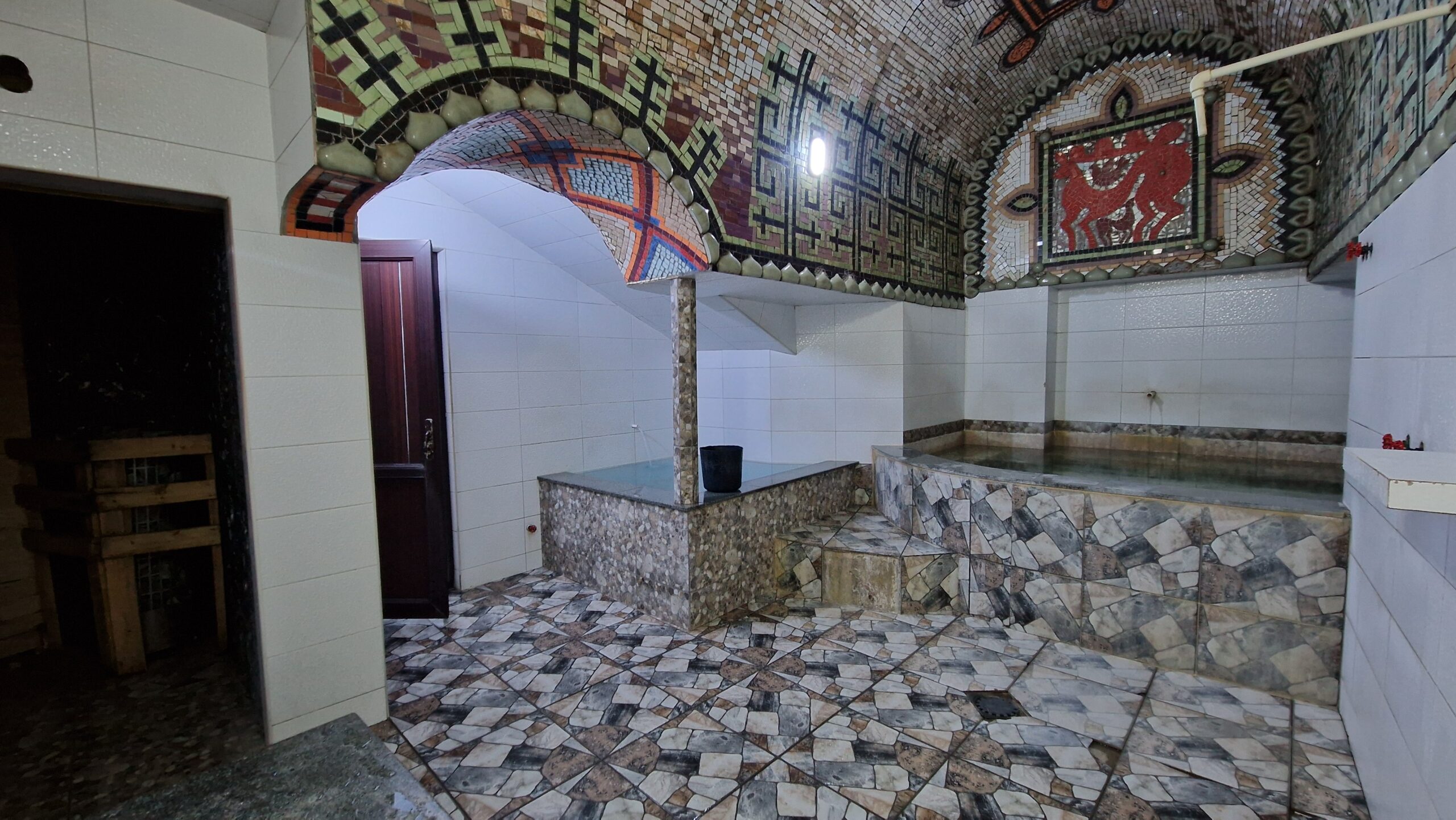
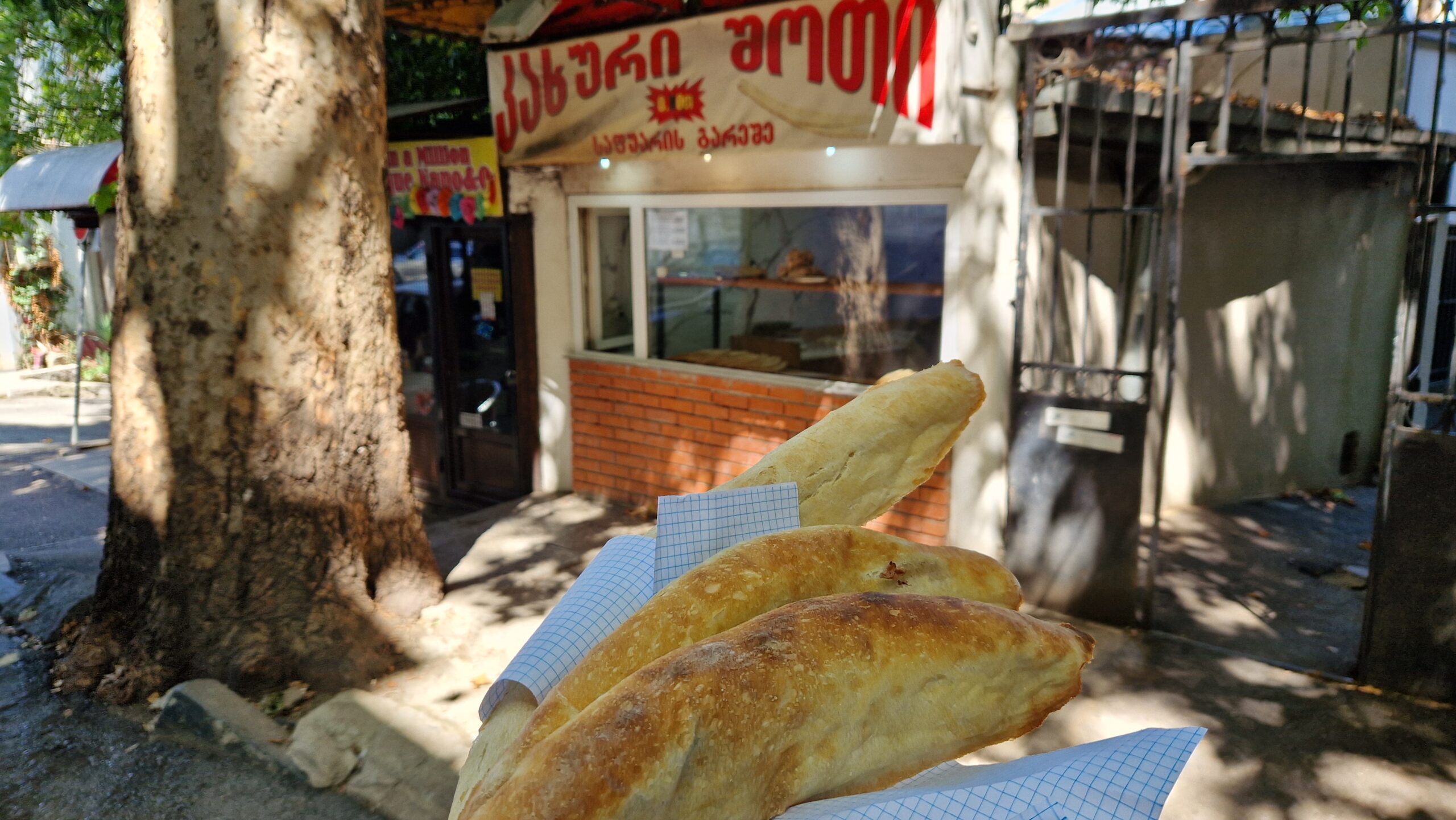
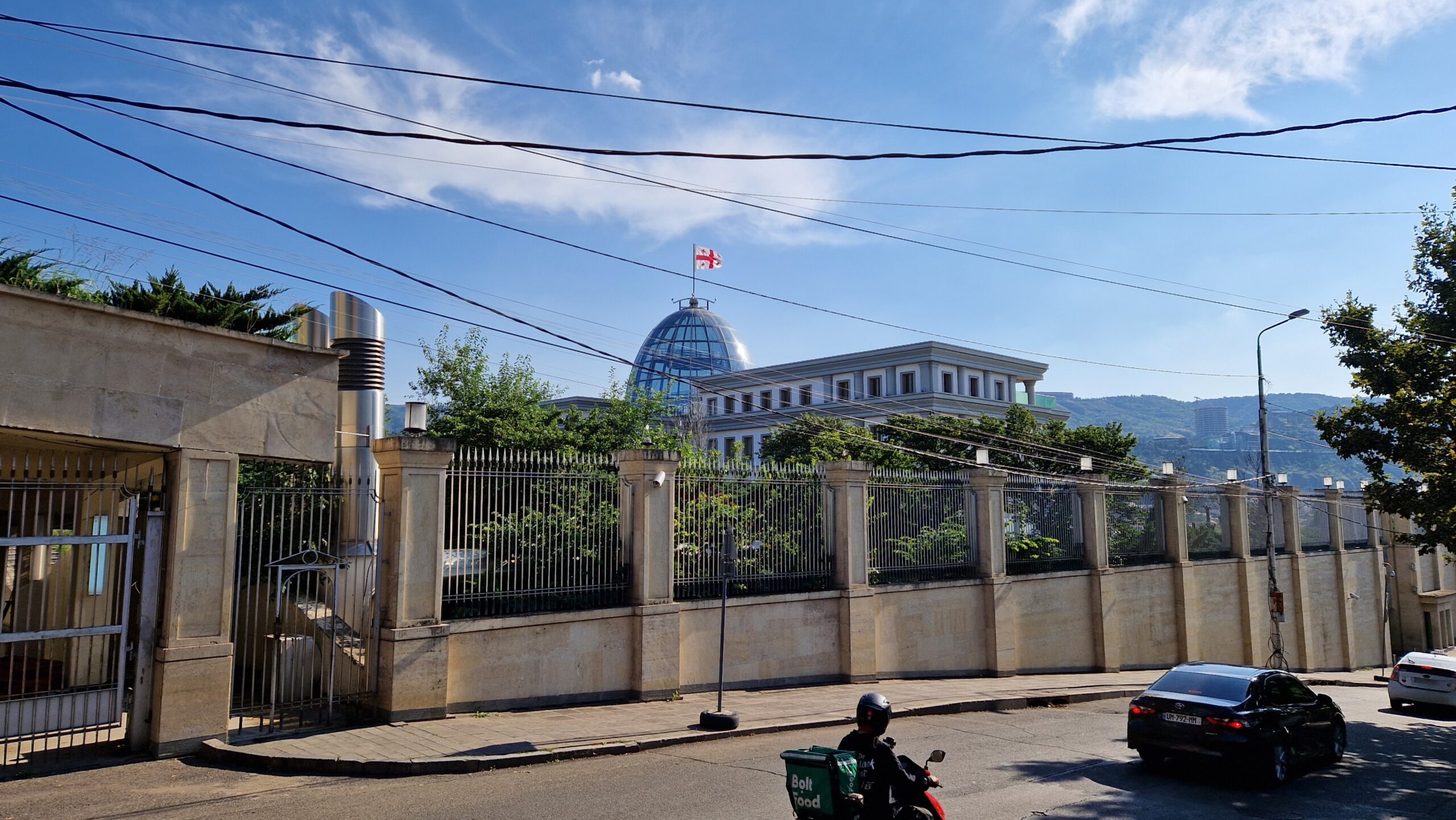
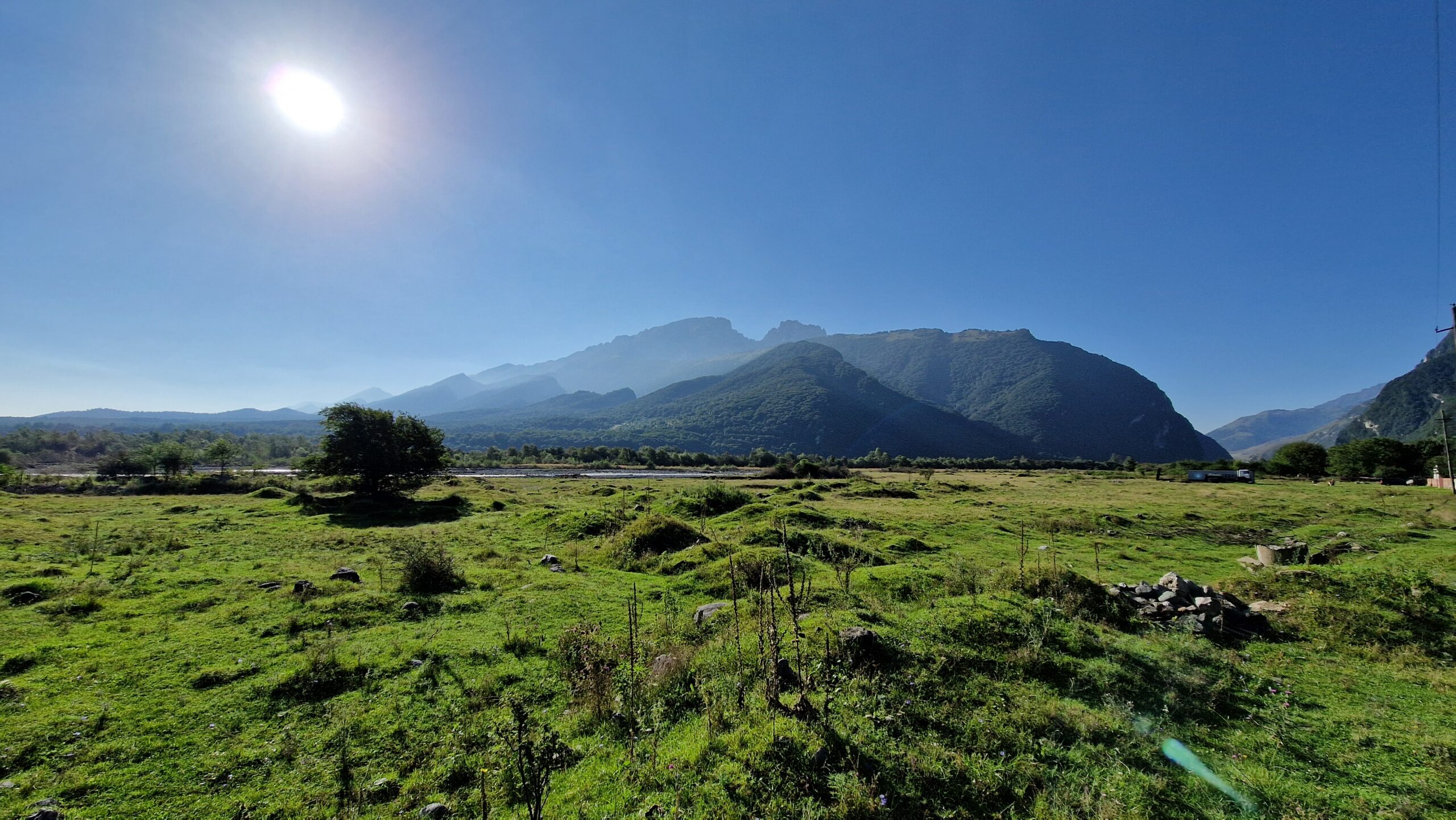
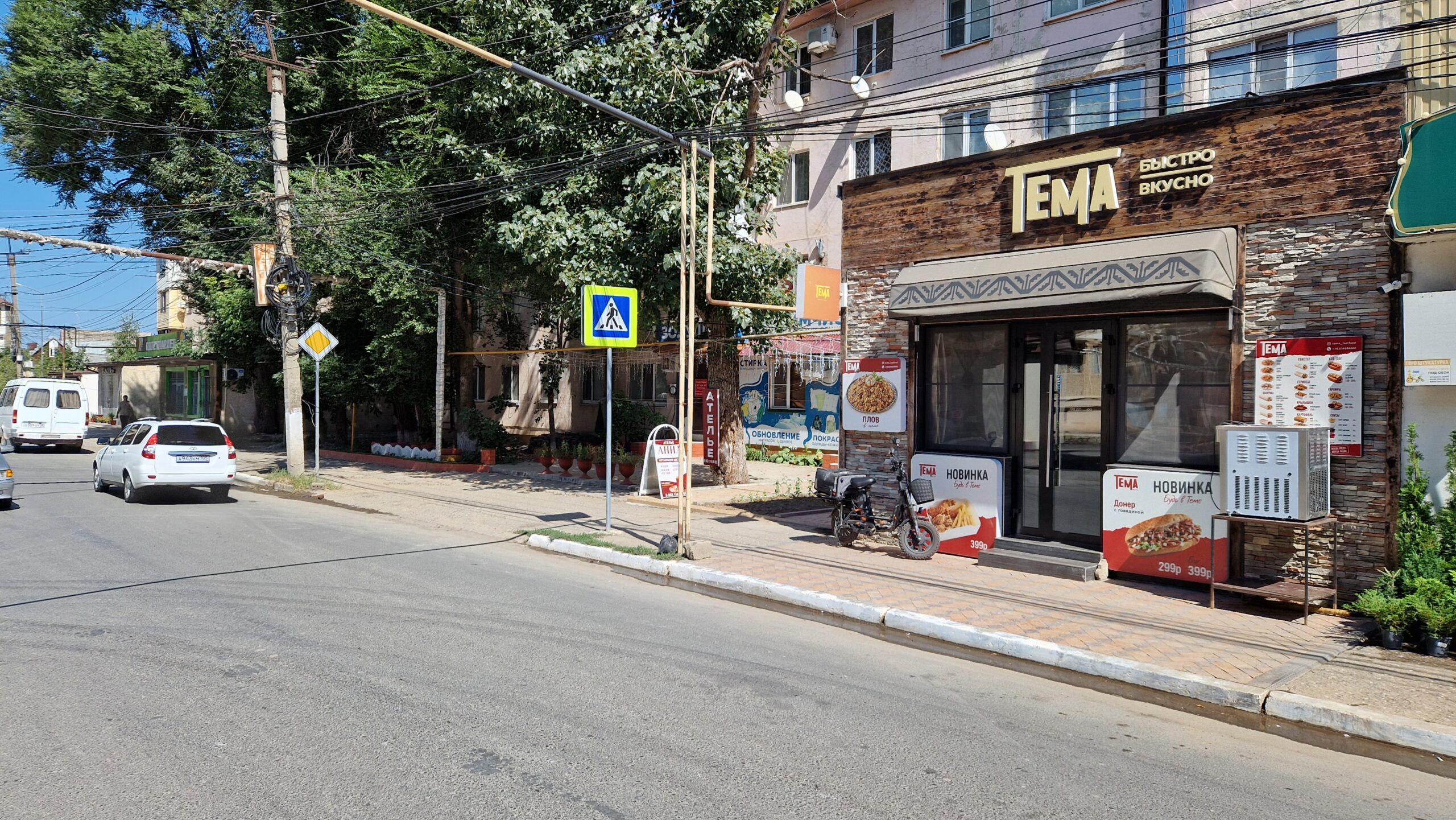
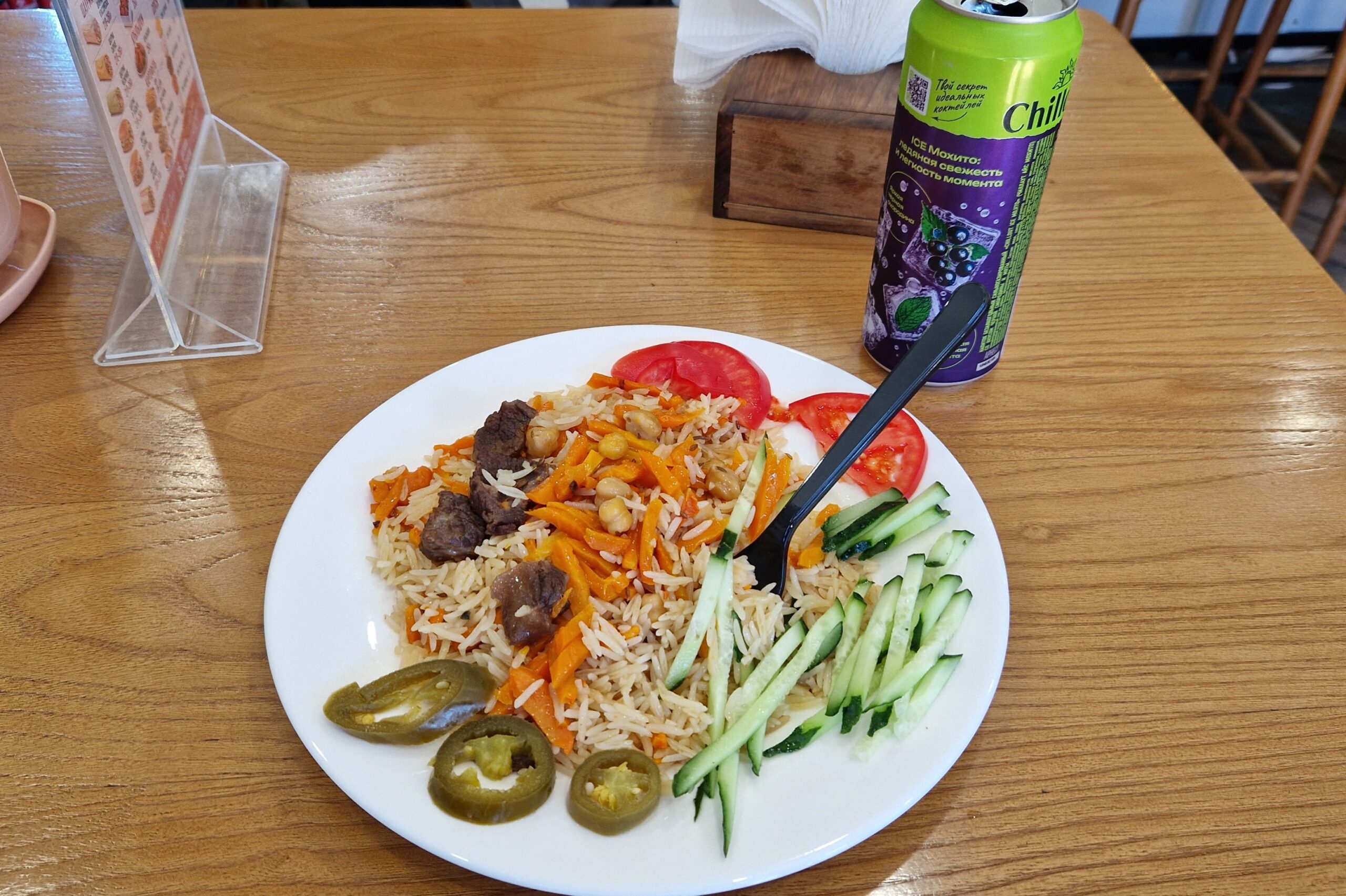

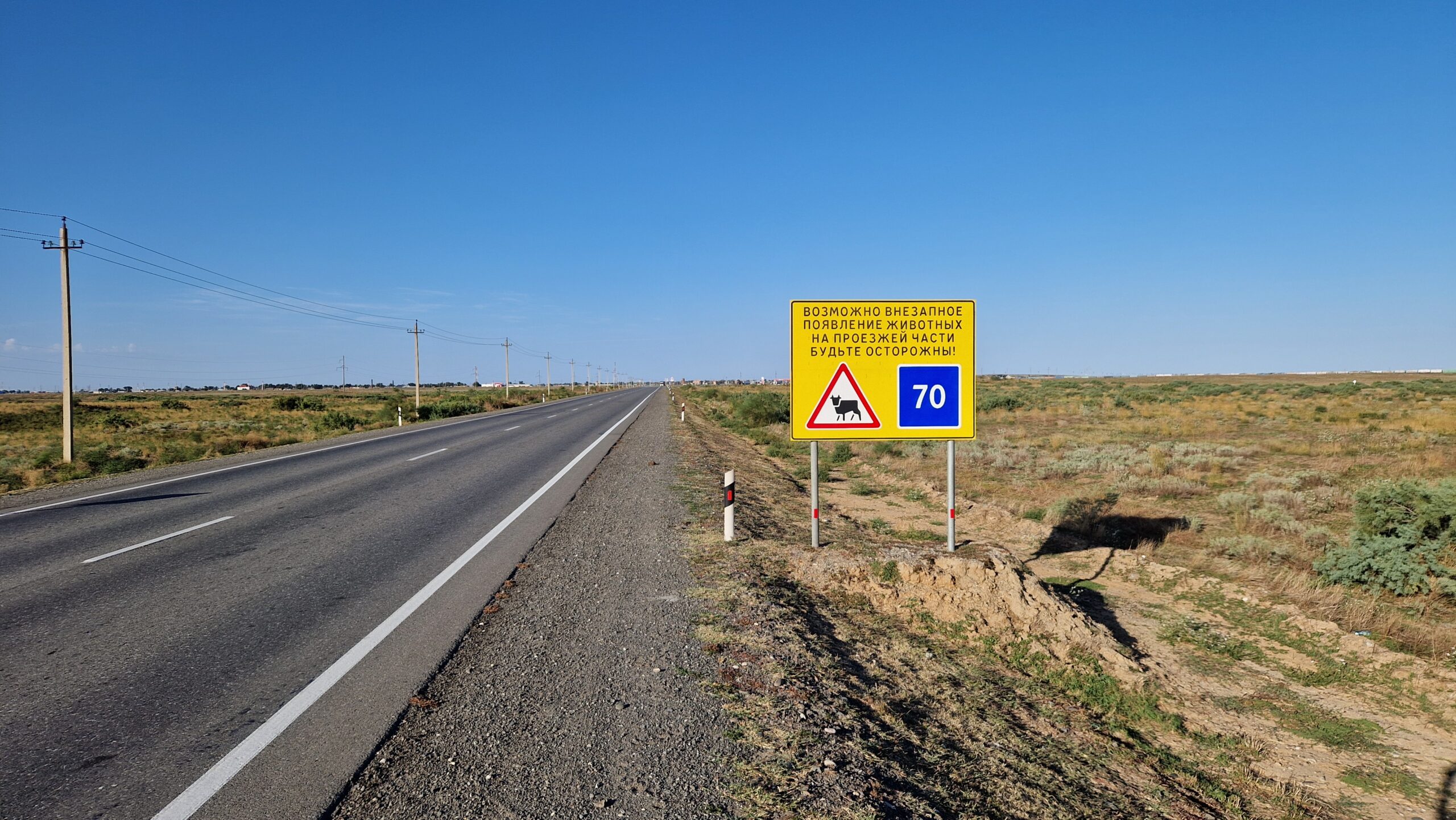
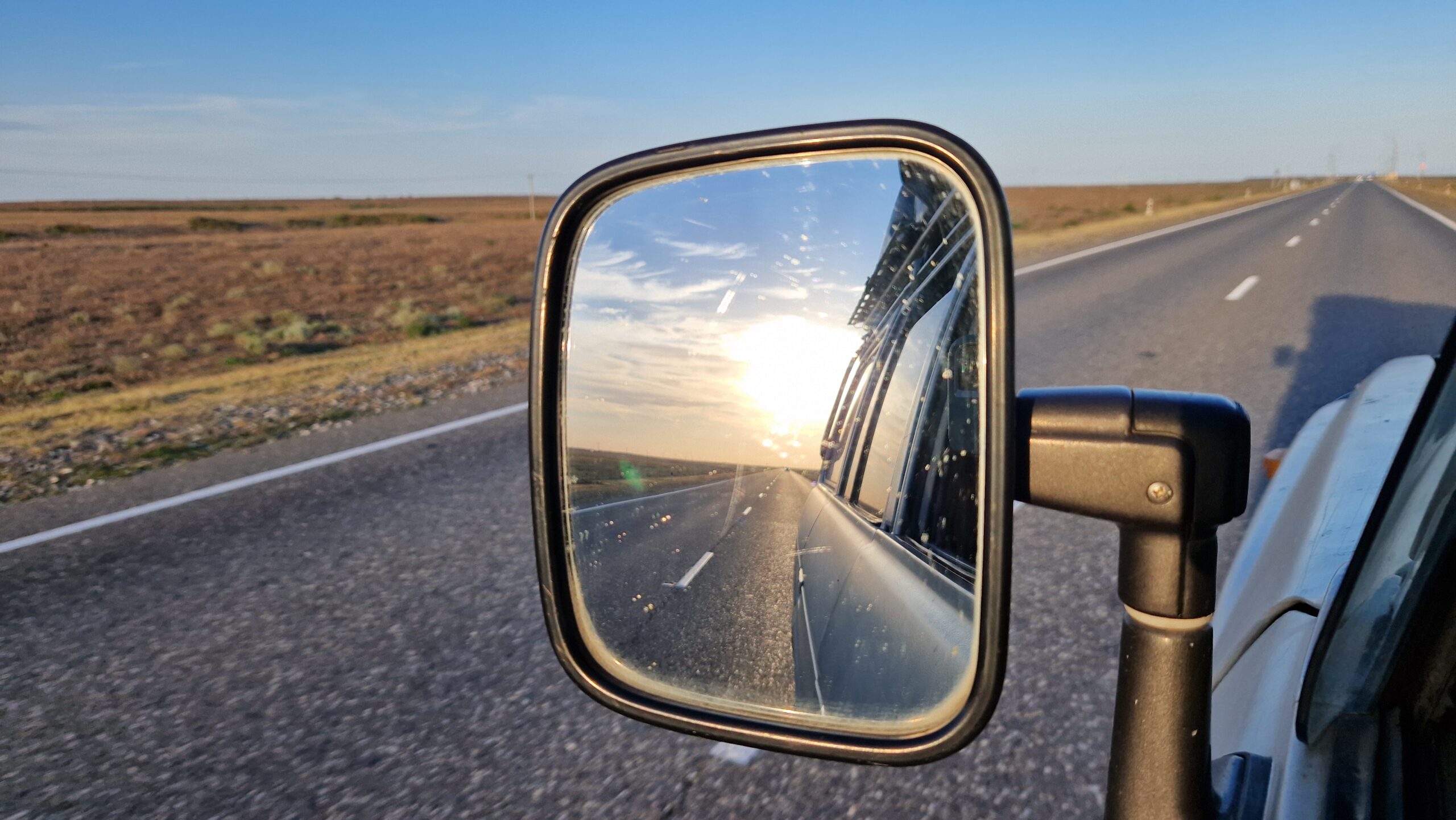
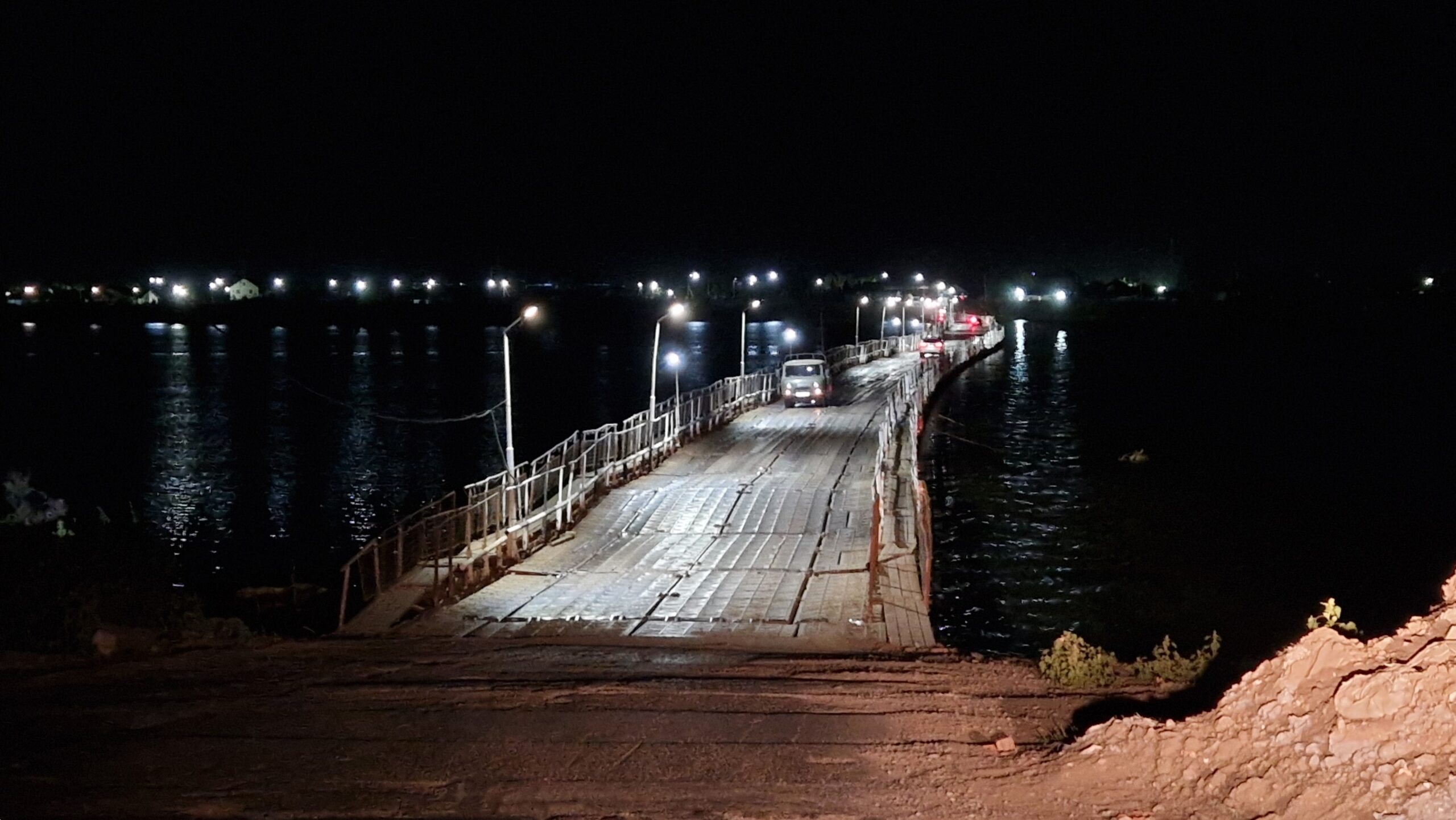
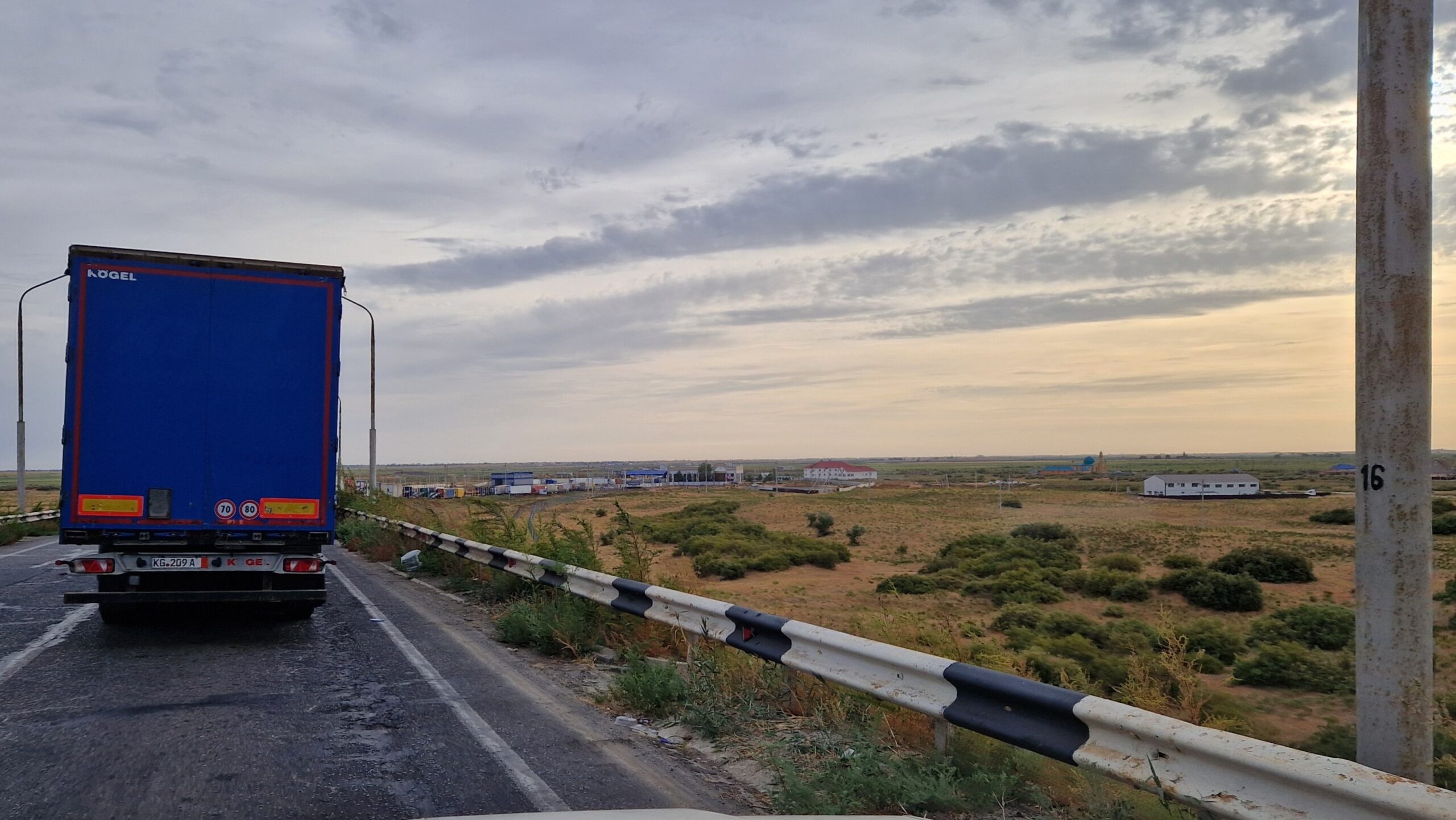
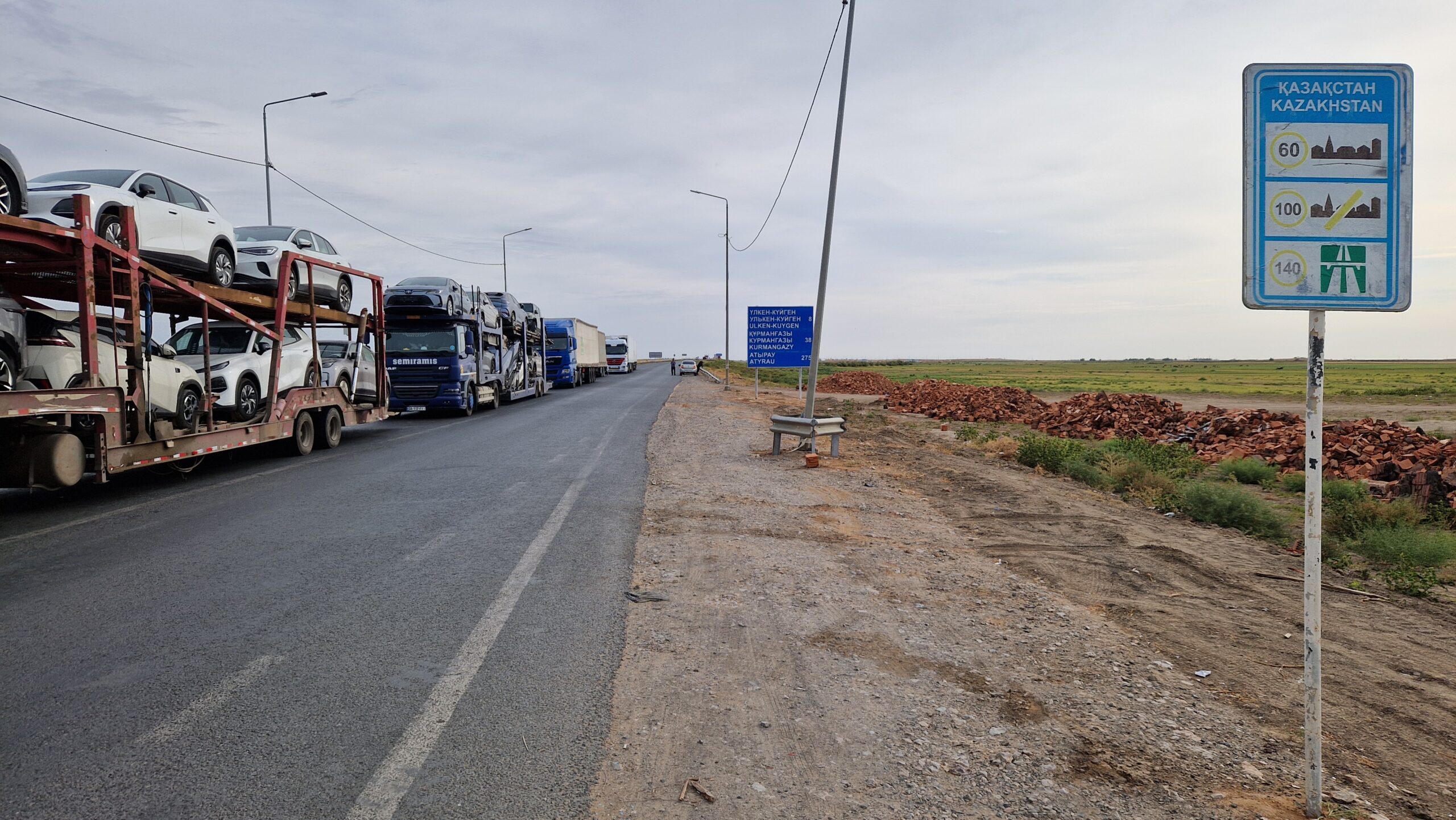
I tried to make the most of my forced stay in Tbilisi, even though I no longer liked the city. It’s not because of the city itself. It’s because of the horrible traffic, which cost me several hours of my life. But I survived. After two more stressful days of transiting through Russia and receiving an unexpected invitation, I finally reached my long-awaited destination: Kazakhstan. The process of crossing the Caspian Sea has now ended successfully!